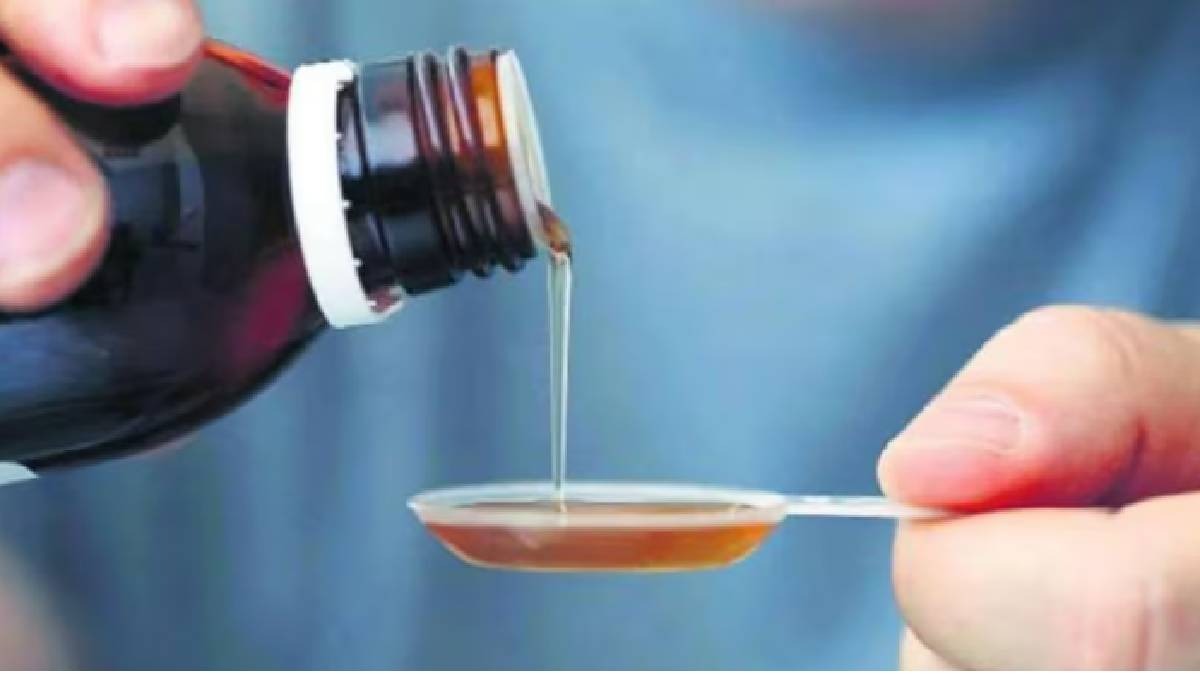
The Union health ministry has amended drug rules to place medicines containing more than 12% ethyl alcohol under Schedule H1, making them prescription‑only. The move aims to curb recreational misuse and tighten regulatory oversight.
The Indian government has taken a decisive step to prevent the misuse of high‑alcohol medicinal products by amending the Drugs Rules. Effective immediately, any preparation containing more than 12% v/v ethyl alcohol will be classified under Schedule H1 and can be sold only against a registered medical practitioner’s prescription.
Background
Previously, these products were exempted under Schedule K, allowing them to bypass licensing and prescription controls despite alcohol concentrations as high as 80‑90% v/v. Several state governments reported that such products were being consumed for intoxication, prompting a nationwide regulatory response.
Key Provisions
Under the amendment, formulations exceeding 30 ml and containing more than 12% v/v ethyl alcohol must obtain a manufacturing and sale licence under the Drugs and Cosmetics Act, 1940. Pharmacies will be required to maintain stringent records and dispense these medicines only on a valid prescription.
Impact on Pharmacies and Manufacturers
Manufacturers will now face an additional licensing hurdle, while pharmacies must adopt new inventory‑tracking systems. Although the compliance burden increases, the change ensures that genuine therapeutic uses are preserved while eliminating a loophole that facilitated illicit consumption.
Broader Regulatory Context
India already caps alcohol content in traditional systems: Ayurvedic, Siddha and Unani syrups may contain up to 16% alcohol, and homeopathic medicines are limited to 12% (Rule 106B). Aligning Schedule K with these limits creates a uniform regulatory framework across all medicinal categories.
Why This Matters?
High‑alcohol medicines have become a surrogate for alcoholic beverages, posing a dual threat to public health and law‑enforcement efforts. By bringing them under prescription control, the government not only curtails abuse but also sets a precedent for tighter oversight of other potentially addictive formulations.
Future Outlook
This amendment follows recent crackdowns on substances like pregabalin, signaling a broader strategy to tighten controls on drugs prone to recreational misuse. Continued vigilance and consistent enforcement will be crucial to ensure that the intended public‑health benefits materialise.