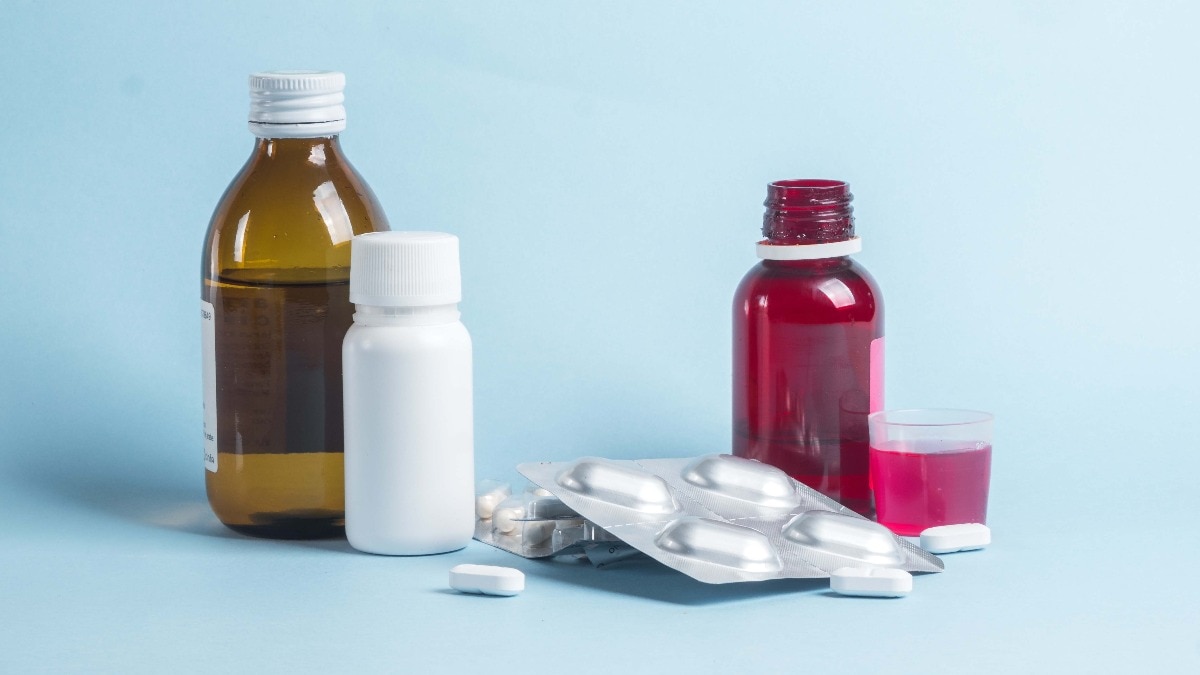
The Indian government now mandates licences and doctor prescriptions for medicines containing more than 12% ethyl alcohol, including homeopathic formulations, to curb misuse and protect public health.
The Ministry of Health and Family Welfare has amended the Drugs Rules, 1945 to place high‑alcohol medicinal products under stricter control. Effective immediately, any formulation with more than 12% ethyl alcohol by volume and a quantity exceeding 30 mL will require a licence and a registered medical practitioner’s prescription.
Regulatory Background
Earlier, several high‑alcohol preparations—such as cardamom and ginger tinctures, as well as certain homeopathic medicines—were exempt from licensing under Schedule K. These products often contained 80‑90% ethyl alcohol, making them attractive for recreational intoxication rather than therapeutic use. Reports from multiple state governments highlighted growing abuse, prompting the central government to act.
Key Provisions of the New Rules
Under the amendment, manufacturers must now obtain a licence under the Drugs and Cosmetics Act, 1940. The affected medicines are re‑classified into Schedule H1, meaning they can be sold only with a valid prescription and pharmacies must maintain detailed sales records. This shift removes the previous Schedule K exemption for high‑alcohol products exceeding the specified thresholds.
Specific Impact on Homeopathy
Homeopathic medicines have been subject to similar restrictions since 1994. The updated rules reinforce that any homeopathic product containing more than 12% ethyl alcohol cannot be packaged in bottles larger than 30 mL, except for hospital and dispensary supplies where bottles up to 100 mL are permitted.
Why This Matters?
High‑alcohol medicines are often diverted for non‑medical consumption, fueling illicit alcohol markets and endangering public health. By tightening licensing and prescription requirements, the government aims to keep these products within a regulated supply chain, ensuring they reach patients who truly need them while curbing abuse.
Future Outlook
Analysts suggest that this regulatory overhaul could set a precedent for tighter controls on other potentially abusive pharmaceutical products. The move aligns with broader efforts to strengthen drug governance, promote responsible medicine use, and safeguard community health.