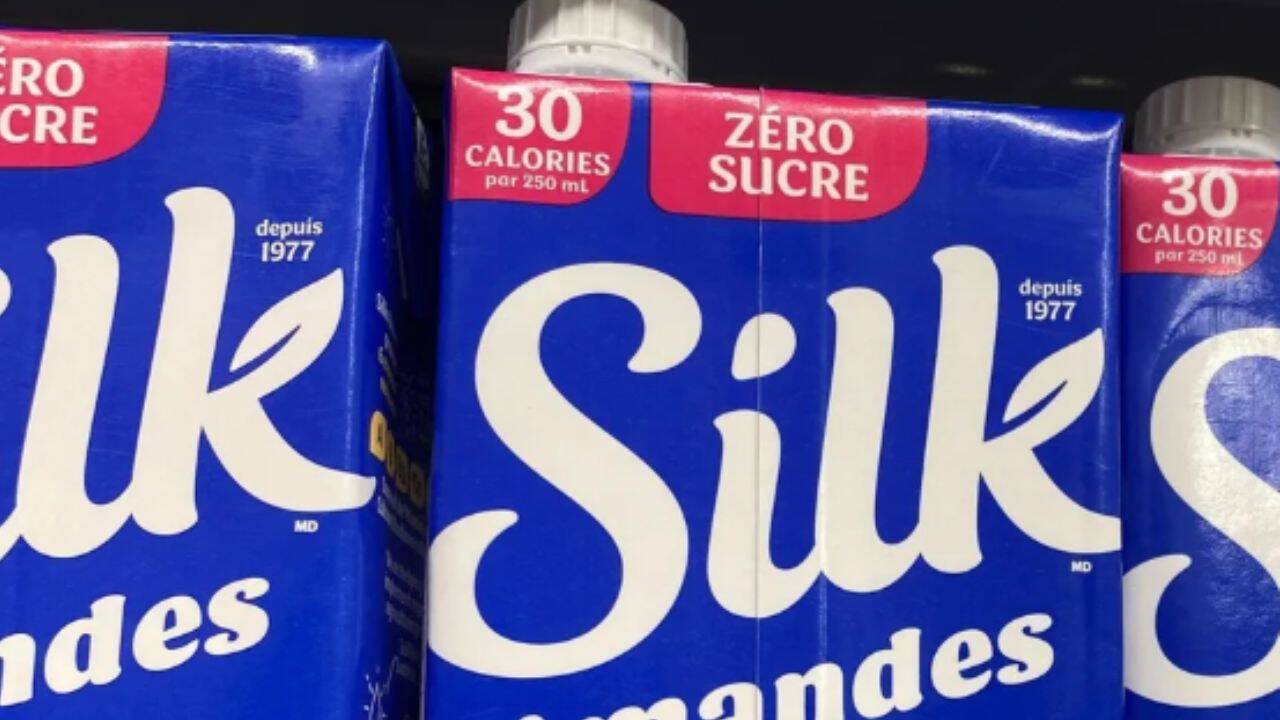
Consumers who purchased recalled Silk and Great Value plant milks in Canada are now eligible for compensation up to C$300,000. The C$7.5 million class‑action settlement accepts claims until October 16 2026.
Key Takeaways
- Class‑action settlement offers up to C$300,000 compensation
- Claims must be filed by October 16, 2026
- Tiered payouts reflect severity of listeriosis symptoms
In July 2024, Danone Canada recalled Silk and Great Value plant‑based milks after a listeria outbreak that resulted in 20 reported illnesses, 15 hospitalisations and three deaths. Following the public‑health emergency, the Superior Court of Quebec approved a C$7.5 million class‑action settlement intended to compensate affected consumers.
Settlement Structure
The agreement defines a six‑tier compensation matrix based on the seriousness of the illness and the evidence supplied. Payments range from C$400 (Tier I) to C$300,000 (Tier VI). Individuals with mild symptoms such as nausea, fever or headache may receive between C$400 and C$7,000, while those hospitalised without lasting damage can obtain up to C$30,000. Claims involving permanent complications or severe sequelae qualify for up to C$150,000, and the estates of deceased victims may be awarded as much as C$300,000.
How to File a Claim
Eligible consumers can submit their applications through the official settlement website no later than 16 October 2026. Even purchasers who did not fall ill may be entitled to a refund under a voluntary refund programme administered by Walmart Canada, Joriki and Intact Insurance. Lower‑value claims typically require proof of purchase or a declaration of consumption and symptoms, whereas higher‑value claims demand medical records, pharmacy receipts and other supporting documentation.
Broader Implications
The settlement not only provides financial redress but also sends a strong signal to the food‑manufacturing sector about the importance of rigorous safety protocols. Legal analysts suggest that such class‑action outcomes pressure companies to tighten quality‑control measures, potentially reducing the likelihood of future listeria‑related incidents and reinforcing consumer confidence.