Bengaluru’s 52‑year‑old auto‑rickshaw driver G Yusuf Jamal Uddin sent multiple videos to his son alleging relentless loan‑collection harassment, and later took his own life. Police have registered a case of abetment to suicide against the alleged money‑lender.
Key Takeaways
- Driver sent distressing videos detailing loan‑collector harassment
- 52‑year‑old Jamal Uddin died by suicide
- Police filed an abetment to suicide case under the Bharatiya Nyaya Sanhita
On Friday, Bengaluru’s auto‑rickshaw driver G Yusuf Jamal Uddin, aged 52, transmitted a series of videos to his son, each describing relentless pressure from a money‑lender demanding repayment of a Rs 1.75 lakh loan. The videos quickly went viral, sparking public outcry over loan‑related harassment and mental‑health neglect.
Incident Overview
In one of the recordings, Jamal identified the creditor as “Umesh,” who allegedly threatened him with “go and die” if the debt was not cleared. He narrated how the harassment escalated to threats against his family, leaving him in a state of severe mental distress. A second video showed him on the Bellahalli‑Kannur Road, appearing visibly shaken, prompting his son to rush to his location.
Sequence of Events and Death
Upon arrival, the son found his father unconscious inside the auto‑rickshaw. Jamal was first taken to a private hospital near the Bellahalli Brick Factory bus stop, where physicians advised immediate transfer to a larger facility. He was later moved to Dr B.R. Ambedkar Hospital in KG Halli, where doctors declared him dead at approximately 4:30 pm on Friday. The son later reviewed all the videos, confirming the loan‑repayment demands and the threatening language used by the creditor.
Legal Response
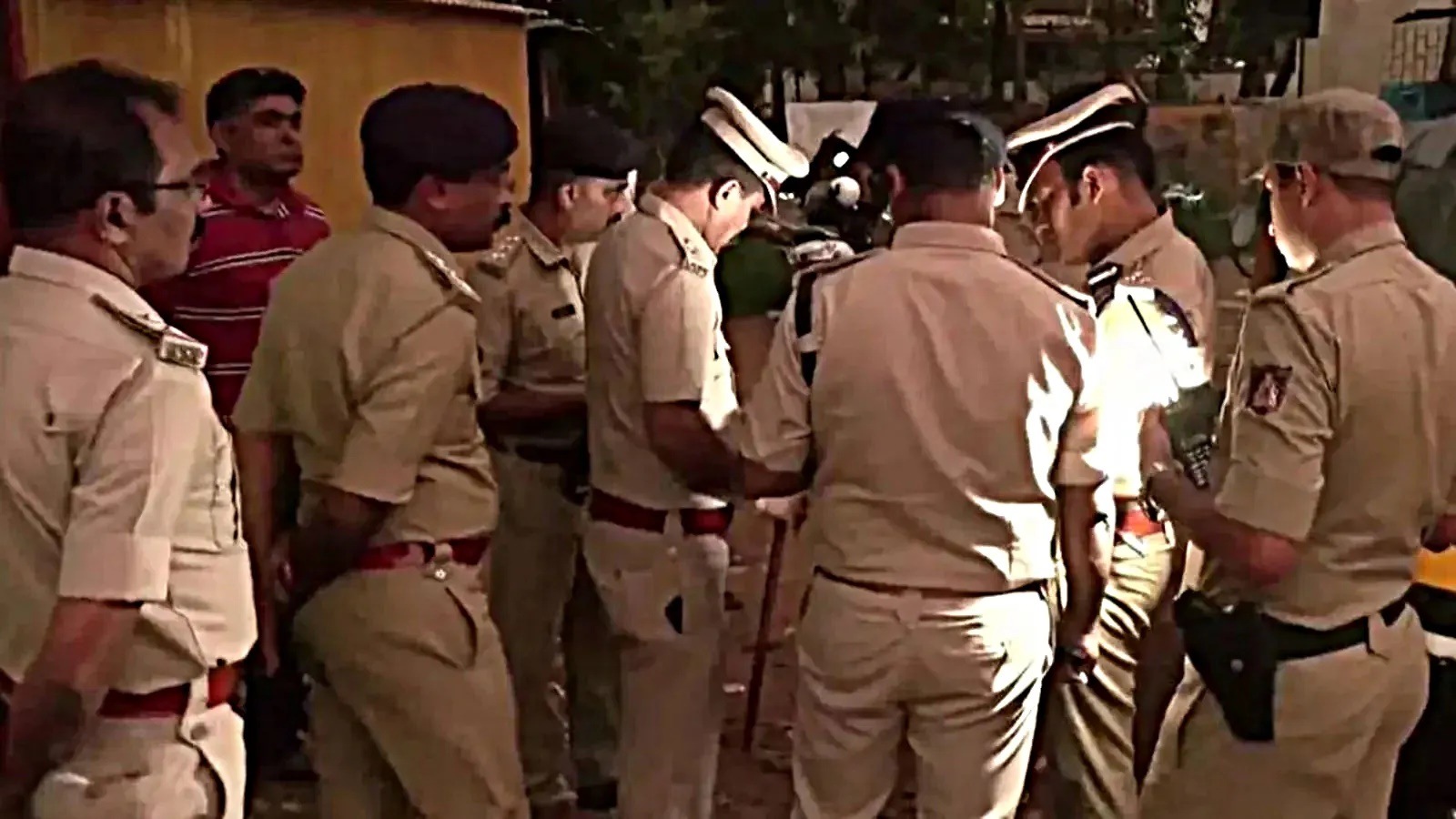
Bengaluru police have lodged a case of abetment to suicide under the newly enacted Bharatiya Nyaya Sanhita against the alleged money‑lender. Investigators are actively tracing the accused and are verifying the video evidence as part of a broader probe. A police spokesperson said, “All allegations, including the content of the videos, are being thoroughly examined.”
Broader Implications
This tragedy highlights the growing concern over aggressive loan‑collection practices and the pressing need for accessible mental‑health support in India. Experts warn that unchecked creditor pressure can precipitate fatal outcomes, urging stricter regulation and community‑based counseling services. The case also underscores the importance of swift legal action to deter similar abuses and protect vulnerable borrowers.