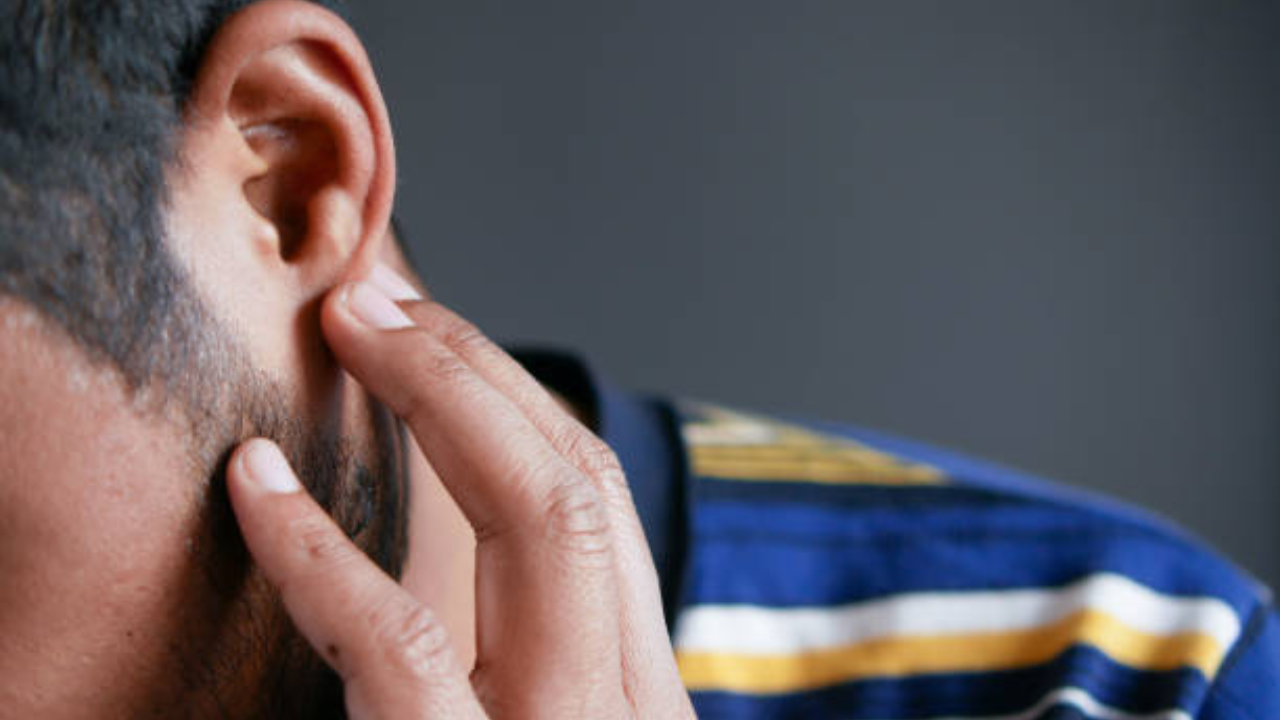
Adults with type‑2 diabetes are twice as likely to develop significant hearing loss. Persistent high blood sugar damages inner‑ear vessels, prompting experts to urge early screening and strict glucose control.
Key Takeaways
- Diabetes roughly doubles the likelihood of clinically significant hearing loss.
- Regular audiometric screening is recommended for all adults with type‑2 diabetes.
- Strict glycemic control and healthy lifestyle choices can mitigate ear‑related complications.
The global surge of type‑2 diabetes has revealed a host of unexpected complications, among them a heightened risk of hearing loss. According to the World Health Organization, more than 537 million people lived with diabetes in 2022, and emerging data suggest that up to one‑quarter of them may experience moderate‑to‑severe auditory impairment—a figure that cannot be ignored by clinicians or policymakers.
How High Sugar Damages the Ear
Chronic hyperglycaemia injures the delicate micro‑vasculature of the cochlea, the inner ear’s sound‑processing hub. This micro‑angiopathy reduces blood flow, depriving sensory hair cells of oxygen and nutrients while fostering oxidative stress. Over time, the cells that translate sound waves into neural signals deteriorate, leading to progressive hearing decline.
Latest Research Findings
A 2023 cohort study published in *Diabetes Care* examined more than 8,000 individuals with type‑2 diabetes. The investigators found that diabetic participants had a 2.1‑fold higher odds of developing moderate or severe hearing loss compared with non‑diabetic controls. A 2021 meta‑analysis echoed these results, linking poor HbA1c control and prolonged hyperglycaemia to accelerated auditory degeneration.
Prevention and Clinical Recommendations
Leading endocrinologists now advise that every adult diagnosed with type‑2 diabetes undergo an annual audiogram. Early detection enables timely intervention—such as hearing aids, cochlear‑implant evaluation, or targeted aural rehabilitation—thereby preserving communication abilities and quality of life. Simultaneously, maintaining HbA1c levels below 7 % through diet, exercise, and medication remains the cornerstone of protecting both metabolic and auditory health.
Implications for Public Health Policy
As diabetes prevalence climbs, integrating hearing assessments into routine diabetes care is becoming a public‑health imperative. Health ministries should champion patient‑education campaigns that highlight hearing loss as a serious, yet preventable, diabetic complication. Moreover, multidisciplinary clinics that pair endocrinologists with audiologists could streamline care pathways, reducing the socioeconomic burden of untreated hearing impairment.