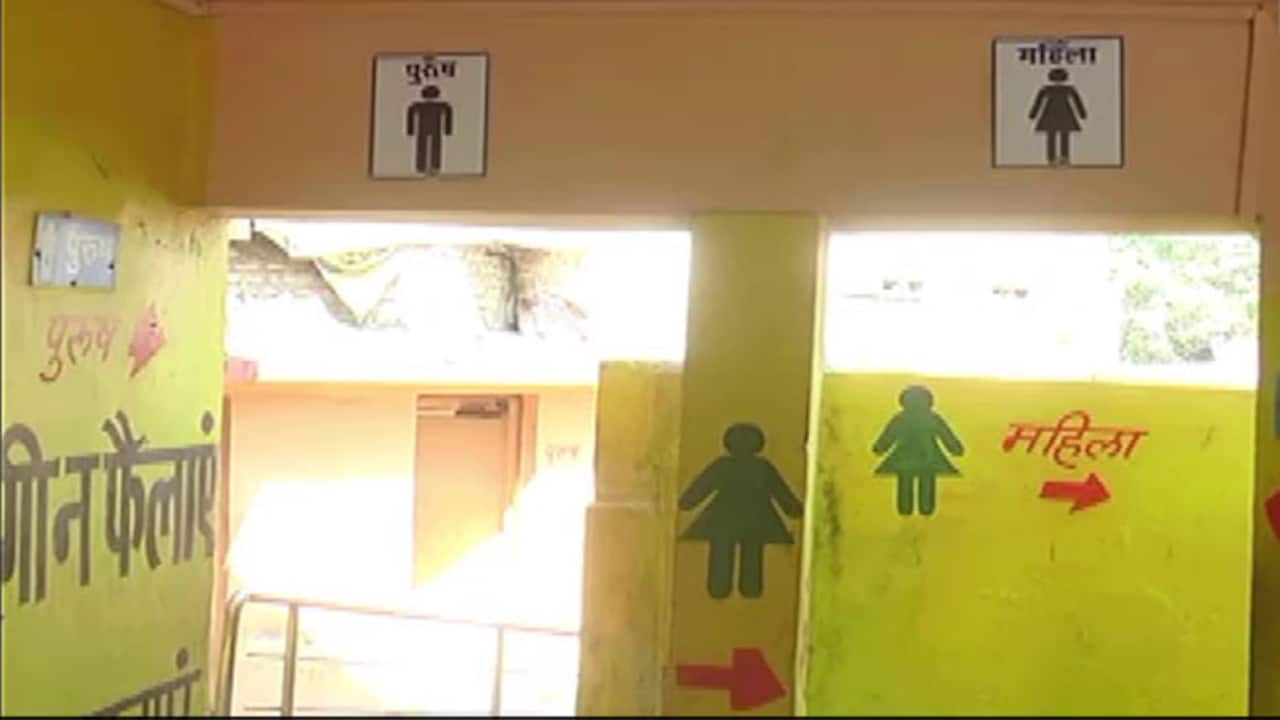
Facing persistent public urination, Tinsukia's municipal board has turned to LED screens to broadcast offenders' footage. The move aims to create a social deterrent after fines failed to change behavior, pushing residents toward cleaner habits.
Key Takeaways (मुख्य बिंदु)
- Fines of up to ₹80,000 per month proved ineffective
- Offender videos now displayed on a public LED hoarding as a deterrent
- Privacy and proportionality concerns spark public debate
In the Assam town of Tinsukia, open‑air urination has become a chronic civic nuisance, prompting the Tinsukia Municipal Board (TMB) to experiment with a novel behavioral‑change strategy. Despite collecting monthly penalties ranging between ₹75,000 and ₹80,000, many violators simply evaded payment and continued the practice, undermining public health and sanitation goals.
LED Hoarding Campaign
Partnering with civil‑defence volunteers, the board now records infractions at high‑traffic spots and streams the clips on a prominent LED display installed at a central junction. The visual exposure is intended to shame repeat offenders and sensitize by‑standers to the importance of civic hygiene.
Why Earlier Measures Fell Short
Initial deterrents—such as installing mirrors at vulnerable locations—failed to curb the habit. Although the town hosts several public toilets, cultural habits and inadequate enforcement have kept the problem alive. The board’s decision to leverage public advertising reflects a shift from punitive fines to a more socially driven approach.
Privacy and Proportionality Concerns
Human‑rights advocates have raised alarms about broadcasting individuals’ faces without consent. TMB officials assure that any identifiable features will be blurred, adhering to legal standards while preserving the campaign’s impact.
Future Outlook
The municipality has warned repeat offenders of stricter action, coordinating with district authorities and municipal waste‑management regulations. Should the LED strategy prove effective, other towns across Northeast India may emulate it, potentially reshaping grassroots sanitation policy nationwide.