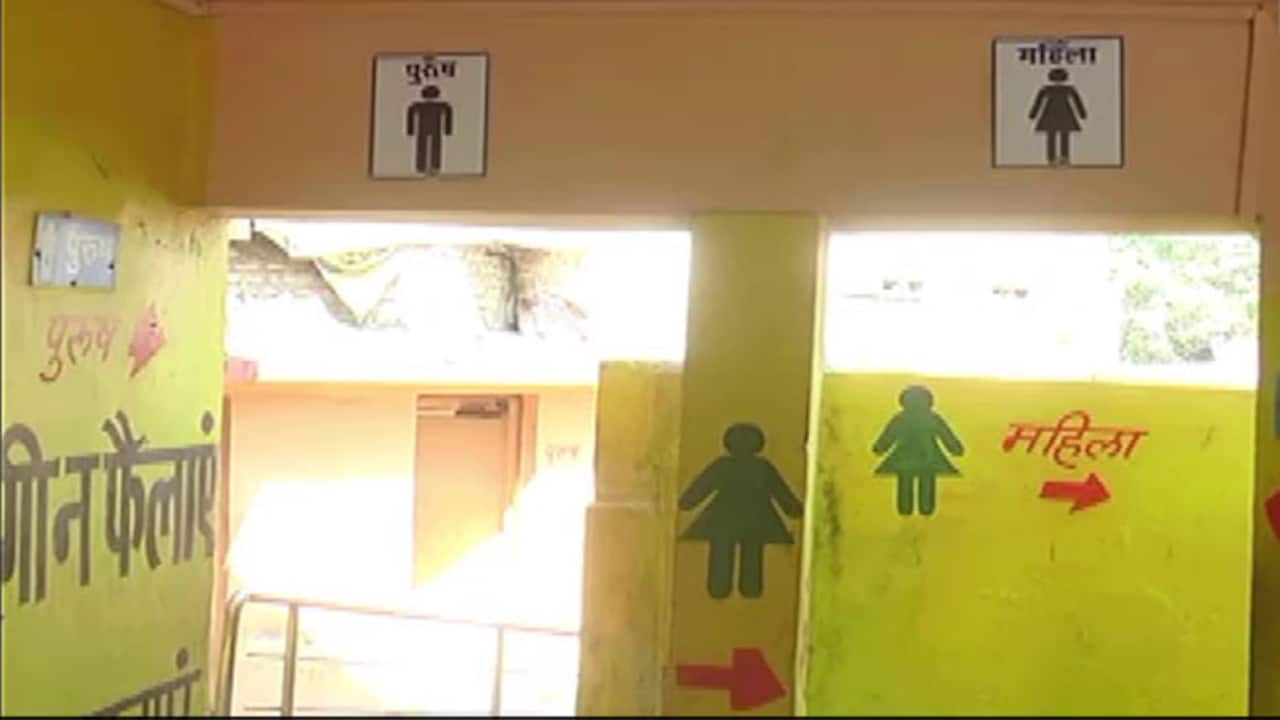
A small town in Assam has launched a bold initiative to curb public urination by broadcasting offenders on citywide screens. The measure aims to boost sanitation standards and raise civic awareness through digital deterrence.
मुख्य बिंदु (Key Takeaways)
- Assam's municipal corporation will use digital screens to display public urination violations.
- Offenders' photos or videos will be shown publicly, creating a social penalty.
- The scheme serves as a pioneering model to promote hygiene, public health, and civic responsibility.
In the town of Hailong, Assam, a chronic shortage of public toilets and rampant open‑urination have plagued municipal authorities for years. Rapid urban growth, combined with lax civic habits, has spurred water‑borne diseases and environmental degradation.
Digital Deterrence: Screens as Public Shaming Tools
The corporation has installed 24‑hour CCTV units at key intersections and market areas. Footage captured is streamed in real‑time on the town’s main public screens, displaying the offender’s face and location. By turning social censure into a digital display, officials hope to dissuade future violations and reinforce public order.
Historical Context and Inspiration
Previous state‑level schemes to build public latrines have yielded limited results in Assam. The current strategy draws inspiration from South Korean “smart city” projects, where misdemeanors are broadcast to strengthen communal accountability. Local leaders argue that this approach not only curbs infractions but also nurtures a sense of personal responsibility among citizens.
Potential Benefits and Legal Concerns
Public health experts predict a rise in toilet usage and a decline in water‑related illnesses if the visual deterrent takes hold. Yet, the policy raises privacy questions—does broadcasting images infringe on individual rights? Authorities assure that any identifiable features will be blurred before public airing, adhering to legal standards.
Future Outlook
Success could see the model replicated across other Assamese towns and Indian municipalities. By intertwining public health, environmental cleanliness, and community engagement, this initiative may chart a new course for urban governance in India.