Imtiaz Ali’s ‘Main Vaapas Aaunga’ offers a poignant look at dementia, prompting the author to reinterpret her grandmother’s condition. The article blends film analysis, personal narrative, and expert neuroscience to shed light on the disease’s complexities.
Key Takeaways
- ‘Main Vaapas Aaunga’ portrays dementia with emotional depth
- Scientific reasons why old memories survive longer
- Families need to adapt to the patient’s altered reality
Imtiaz Ali’s film “Main Vaapas Aaunga” does more than entertain; it opens a window into the lived experience of dementia. When watching Naseeruddin Shah’s character Ishar Singh Grewal (affectionately called Keenu), the author recognized striking parallels with her own grandmother, Suva Chowdhury, leading to a profound reassessment of the disease.
Film Narrative Mirrors Dementia
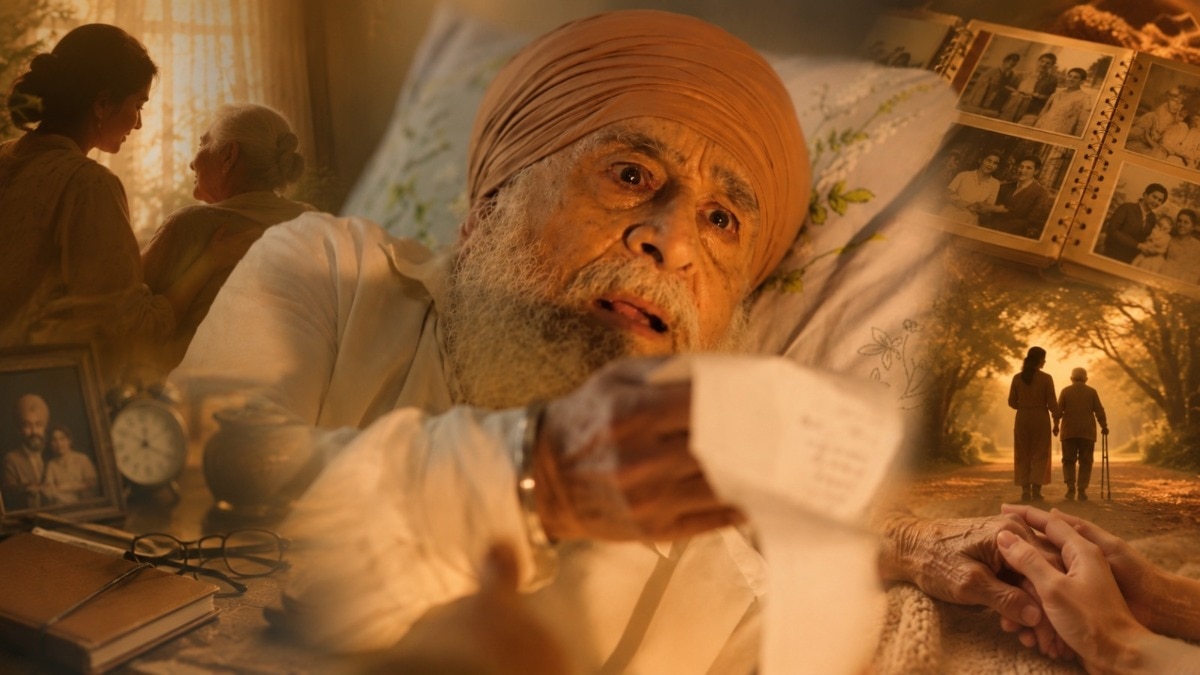
Keenu drifts between past and present, clutching fragments of memory that feel real to him. His obsession with Jiya’s chandbalis—a pair of earrings that transform into the moon—mirrors how dementia patients often cling to the strongest emotional anchors. The movie shows that dementia is not merely forgetting; it is the brain constructing a new reality from the few memories it still trusts.
Personal Account: Grandmother’s Journey
Suva Chowdhury, a resilient matriarch who raised three sons and cared for her mother‑in‑law, gradually lost the linguistic scaffolding she’d built over a lifetime. She still complained about the nurse, asked for favorite foods, and narrated stories, but the words no longer obeyed her. The author, as a teenager, assumed she was “forgetting,” but later realized her grandmother was trying to convey meaning in a language her deteriorating brain could still manage.
Neuroscience Perspective
According to Dr. Atampreet Singh, Senior Director of Neurology at ShardaCare‑HealthCity, memory is distributed across interconnected neural networks rather than stored in a single brain region. Dementia first damages the hippocampus, impairing the formation and retrieval of new memories. Older memories, however, are spread across broader cortical areas, making them more resilient. Emotional memories, anchored in the amygdala, often survive because they are tied to love, fear, joy, or grief.
Implications for Caregivers
Dr. Singh explains that as dementia disrupts the hippocampus and frontal lobes, patients lose the ability to place memories in a correct temporal sequence. Consequently, the past feels more immediate and real than the present. Caregivers should view the patient’s “stuck in the past” behavior not as pretence but as a genuine perception. Patience, gentle prompts, and leveraging strong emotional anchors—like familiar songs or photographs—can improve quality of life.
‘Main Vaapas Aaunga’ thus serves as a cultural catalyst, encouraging families to see dementia as a shift in language rather than mere loss. This fresh perspective can foster empathy, reshape caregiving strategies, and ultimately honor the inner world of those living with the disease.