In Dholpur, Rajasthan, a 75‑year‑old woman died and ten relatives were hospitalized after eating leftover paneer curry from a July 7 birthday celebration, raising urgent food‑safety concerns.
Key Takeaways
- 11 family members fell ill after eating leftover paneer curry; 75‑year‑old Triveni died.
- Food poisoning investigation pending post‑mortem results.
- Local authorities pledge stronger food‑safety awareness in the region.
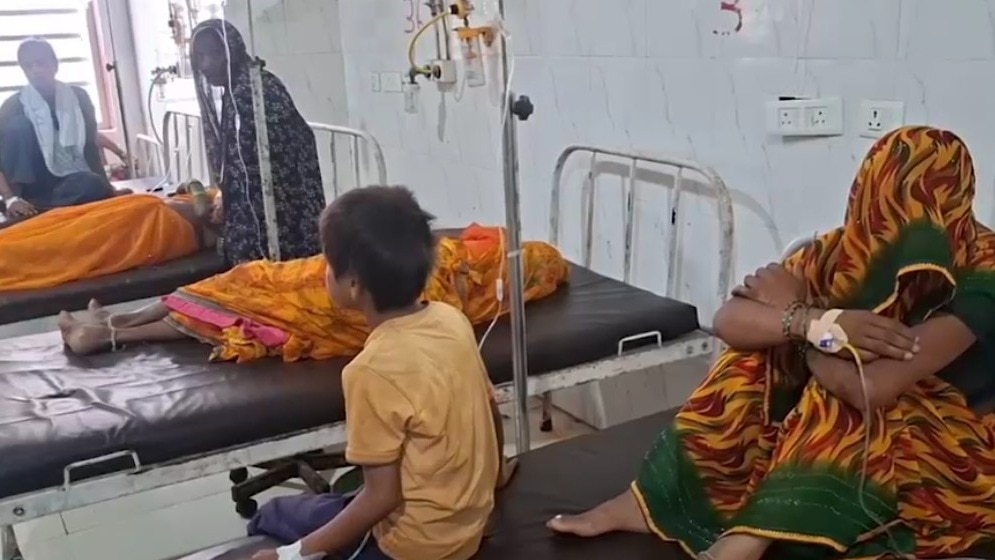
On July 7, a birthday function was held in Lula Ka Pura village, Dholpur district, Rajasthan. The host prepared a rich paneer curry for the celebration, which was served on the day and, according to family members, reheated and consumed again on July 8. By July 9, eleven relatives—including 75‑year‑old Triveni Kushwaha—experienced vomiting, diarrhoea, abdominal pain and restlessness, prompting an emergency rush to the district hospital.
Chronology of Events and Immediate Response
Police reports indicate that the gathering attracted roughly thirty guests, and the leftover curry was stored at ambient temperature before being reheated. The district hospital’s medical officer, Dr. Samarveer Singh, confirmed that all eleven patients presented with classic gastro‑intestinal infection symptoms, requiring intravenous fluids and anti‑emetic treatment. Tragically, Triveni succumbed to the illness on July 12 while under medical care.
Possible Causes of the Food Poisoning
Food‑borne illnesses in warm climates often stem from improper storage, inadequate reheating, and bacterial proliferation. Paneer, a dairy product, is especially vulnerable; if left unrefrigerated for more than a few hours, pathogens such as Salmonella or E. coli can multiply rapidly. Experts suggest that the leftover curry likely was not heated to the recommended 75 °C internal temperature before consumption, creating a perfect environment for toxin‑producing bacteria.
Government and Health Department Actions
The Dholpur health department immediately formed an investigative team, provided free treatment to all affected individuals, and launched a public‑awareness drive on safe food handling. Officials have ordered a thorough post‑mortem examination and laboratory analysis of the leftover food to pinpoint the exact contaminant. The district administration has also announced upcoming workshops for villagers on proper food storage, reheating protocols, and expiration‑date checks.
Implications for Rural Food Safety
This incident underscores systemic gaps in food‑safety practices across rural India. While national regulations exist, enforcement at the village level remains uneven. Strengthening local training, improving access to refrigeration, and fostering a culture of vigilance are essential to prevent repeat tragedies. If addressed promptly, such measures could significantly reduce the burden of food‑borne diseases in similar communities.