A three‑storey unit in Delhi’s Okhla Industrial Area has been repackaging expired branded food and beverages with fresh expiry dates, potentially supplying them to e‑commerce warehouses. Police raids uncovered a network that could have exposed millions of consumers to unsafe products.
मुख्य बिंदु (Key Takeaways)
- Okhla unit removed original dates and affixed new expiry labels on expired food items.
- Products were allegedly shipped to e‑commerce fulfillment centers, reaching end‑consumers.
- Seven suspects, including a 70‑year‑old owner, were arrested under multiple food‑safety statutes.
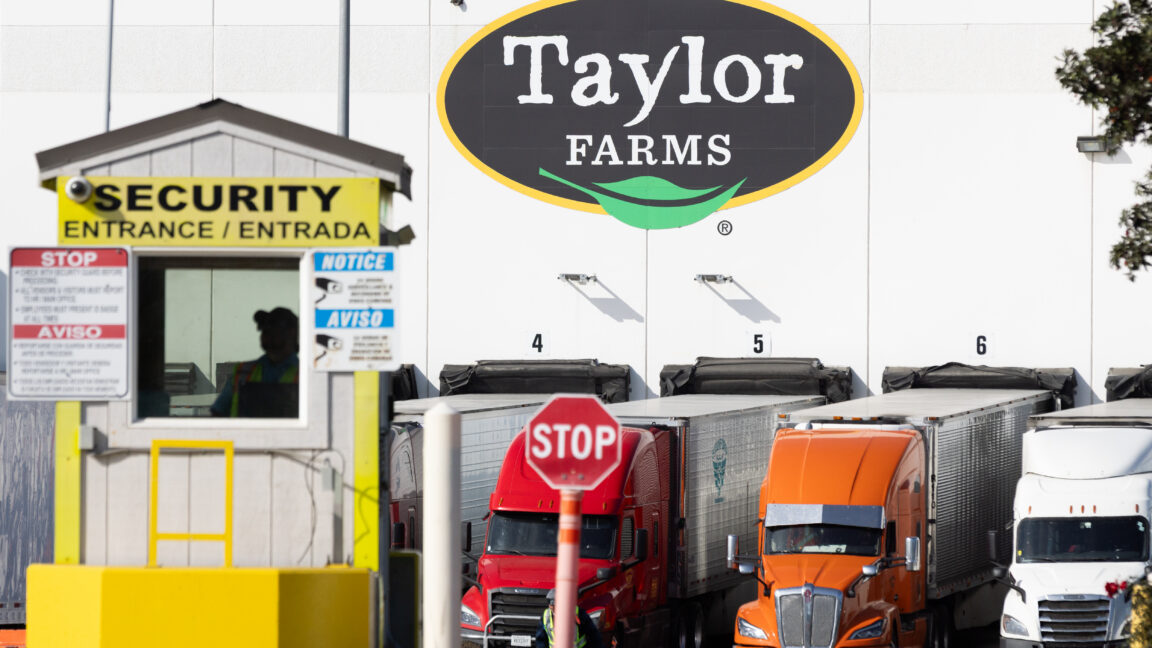
Behind a tall black iron gate on plot X‑57 in southeast Delhi’s Okhla Industrial Area, a seemingly ordinary three‑storey commercial building hid a sophisticated food‑fraud operation for four years. Trucks loaded with chips, soft drinks and fruit juices arrived daily, yet very few workers knew what happened after the cartons entered the ground‑floor unit.
Modus Operandi of the Scam
According to investigators, the perpetrators first applied a thin solvent to erase the original manufacturing and expiry dates printed on the packaging. They then used handheld printing machines—or, when erasure was incomplete, size‑matched stickers—to stamp fresh dates, extending shelf‑life by five to six months. The relabelled items included household names such as Thums Up, Fanta, Bournvita, Horlicks, Maggi noodles and Paper Boat beverages, as well as ghee products.
Supply Chain and E‑Commerce Linkage
The accused sourced near‑expiry goods from 60‑70 wholesalers across Punjab, Haryana, Bihar and Uttar Pradesh. After repackaging, the stock was allegedly moved to warehouses operated by major e‑commerce platforms, where it could be dispatched directly to consumers. Police have alerted the concerned companies and are probing the scale of distribution.
Law‑Enforcement Action
A 12‑member joint raid on June 12, triggered by a child‑labour tip‑off, resulted in the arrest of seven individuals, including the unit’s alleged owner Darshan Singh Sachdeva, 70. All were booked under sections of the Bharatiya Nyaya Sanhita dealing with the sale of unsafe food, cheating, forgery and criminal conspiracy. Workers earned roughly ₹12,000 per month for eight‑to‑ten‑hour shifts.
Implications for Consumer Safety
This case underscores the vulnerability of the e‑commerce supply chain to illicit repackaging. Regulators must enforce end‑to‑end traceability—from sourcing to final delivery—to prevent similar scams. Strengthened inspections, digital tracking of batch numbers, and harsher penalties could restore consumer confidence in online grocery purchases.