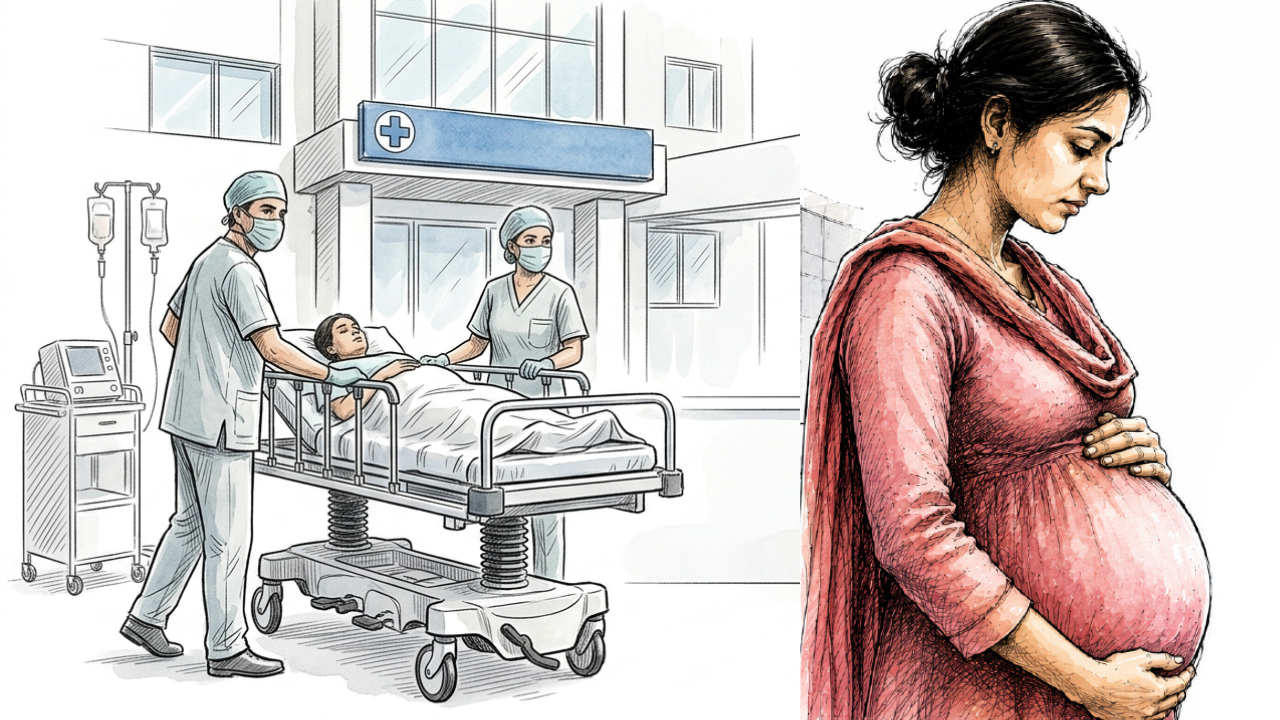
Rajasthan's public health system is under intense scrutiny after nine women died in government hospitals within six days, raising the total maternal deaths to 18 since May. Expert panels are probing the incidents in Bhilwara and Banswara, while bereaved families demand accountability and systemic reforms.
Key Takeaways
- 18 maternal deaths reported in Rajasthan since May
- 9 women died in Bhilwara and Banswara hospitals within six days
- Public hospitals face serious patient‑safety concerns
Rajasthan’s public healthcare apparatus is confronting a crisis as nine women succumbed to pregnancy‑related complications in government hospitals over the past six days. The deaths, split between Bhilwara and Banswara districts, have ignited grief and outrage among local communities, prompting calls for immediate action.
Background Context
While India’s overall maternal mortality ratio (MMR) has been on a downward trajectory, stark regional disparities persist. According to the World Health Organization, India records approximately 113 maternal deaths per 100,000 live births, but Rajasthan’s figures consistently exceed the national average. Contributing factors often include limited rural healthcare infrastructure, shortage of skilled birth attendants, and delayed emergency response.
Investigative Response in Rajasthan
The state government swiftly constituted a multidisciplinary investigative team comprising obstetric specialists, public‑health researchers, and legal advisors. The panel is reviewing medical records, staff shift patterns, and supply‑chain logs to pinpoint systemic lapses. Preliminary findings suggest that uncontrolled hemorrhage, post‑partum infections, and delayed administration of antibiotics were prominent contributors.
Comparison with Other Metros
Parallel challenges are emerging in Mumbai, where high‑risk referral cases overwhelm public hospitals, and in Delhi, where maternal mortality rates have shown a subtle uptick. These urban centers share common pain points—insufficient follow‑up care, staff‑patient ratios, and fragmented emergency protocols—mirroring the systemic issues now spotlighted in Rajasthan.
Implications and Way Forward
Grieving families are no longer content with mere condolences; they demand transparent investigations, accountability, and concrete policy reforms. Experts advocate for bolstering doctor‑nurse ratios, establishing dedicated blood banks, and launching intensive maternal‑health training programs. Without decisive interventions, the risk of repeat tragedies looms large, eroding public trust in the healthcare system.