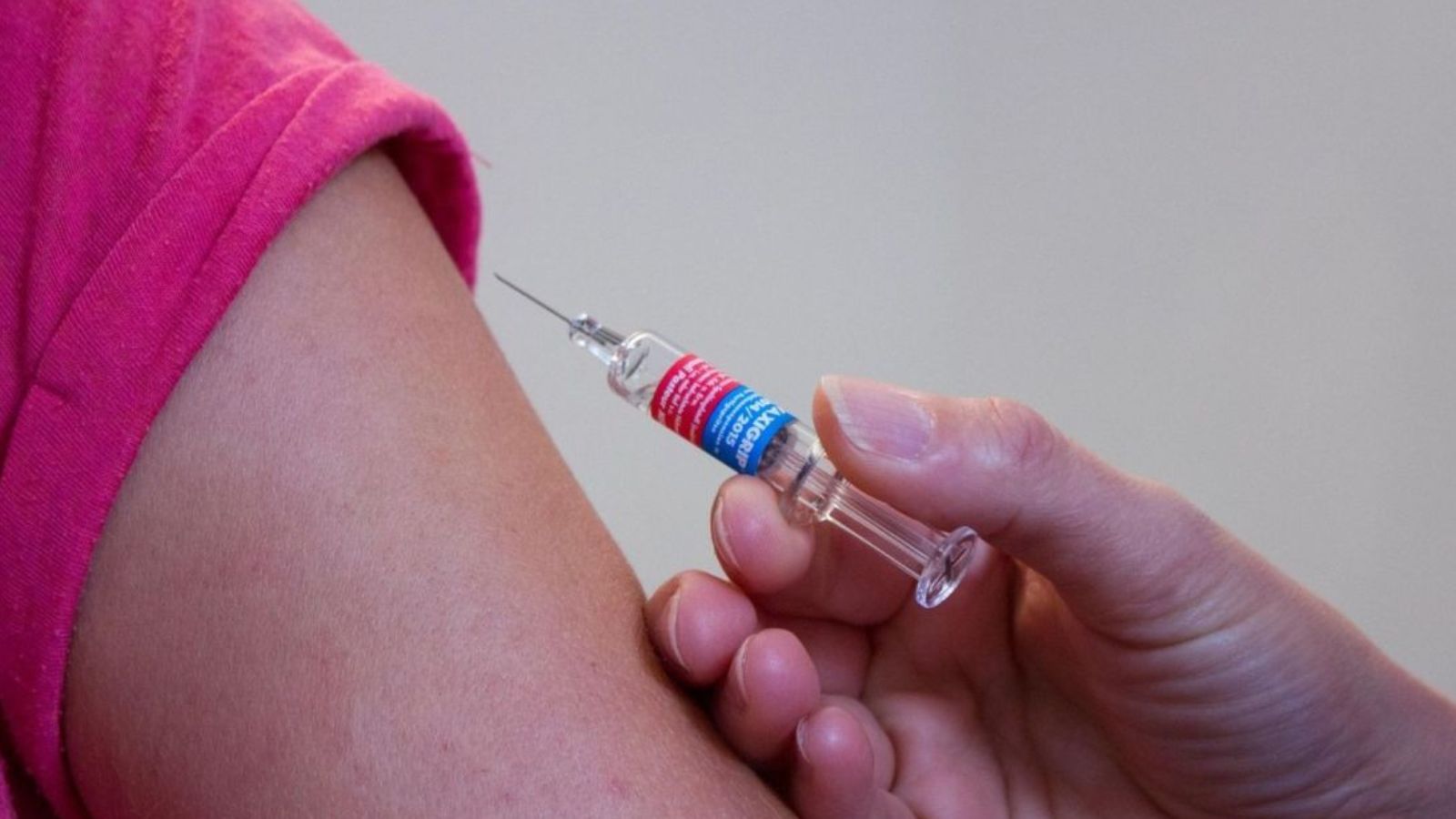
Delhi has set a fresh target to administer 149,000 HPV vaccine doses to 14‑year‑old girls within the next 100 days, intensifying the national campaign against cervical cancer. The plan hinges on deep school engagement and a robust media strategy to counter misinformation.
Key Takeaways
- Goal of 149,000 HPV vaccinations in 100 days
- Intensified collaboration with government schools
- Multimedia campaign to debunk vaccine myths
After reviewing the first 90 days of the HPV vaccination drive, Delhi's Health Department has reset its ambition: 149,000 girls aged 14 will be vaccinated within the next 100 days. The accelerated push aims to align with the national objective of curbing cervical cancer through widespread immunisation.
National Context and Background
India launched its nationwide HPV vaccination programme on 28 February 2026, targeting roughly 1.15 crore adolescent girls each year. Cervical cancer ranks as the second most common cancer among Indian women, accounting for over 80,000 deaths annually. Vaccination, therefore, is a cornerstone of the country’s cancer‑prevention strategy, promising both health benefits and economic savings.
Current Progress in Delhi
Four months into the rollout, Delhi has administered about 13,500 doses—a modest increase from the 11,000 reported in May. The slower‑than‑expected uptake was largely due to school examinations and the subsequent summer break, which created a month‑long gap in outreach. Recognizing this, officials re‑engaged the Education Department to secure full cooperation as schools reopened.
School‑Centric Outreach Strategy
Health officials are now holding both virtual and in‑person meetings with Deputy Directors of Education (DDEs) and school principals across districts. Doctors are visiting schools to conduct awareness sessions, distribute parent‑consent forms, and present short videos that explain the vaccine’s benefits while dispelling myths. This direct interaction aims to build trust among students, parents, and teachers, thereby boosting vaccine acceptance.
Countering Misinformation
Delhi’s urban populace is highly exposed to health‑related rumors on social media, necessitating a proactive communication approach. The department is circulating videos featuring senior physicians and testimonials from women who received the HPV vaccine in 2009 and are now healthy mothers. By presenting factual evidence and personal success stories, the campaign seeks to neutralise fear‑based narratives that hinder vaccine uptake.
If successful, Delhi’s school‑focused model could serve as a blueprint for other metropolitan regions, accelerating India’s progress toward eliminating cervical cancer as a public‑health threat.