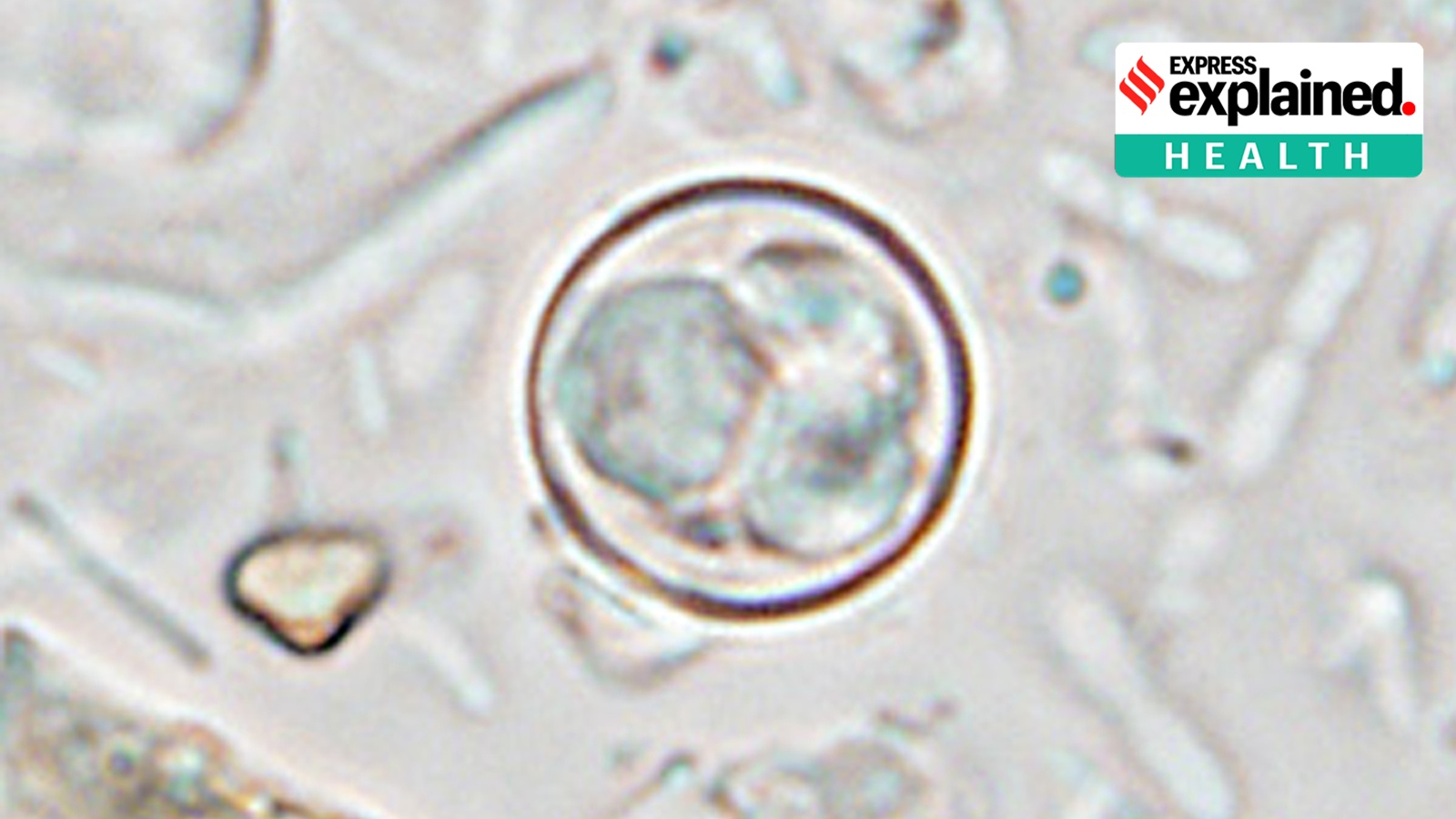
A massive outbreak of Cyclospora is triggering fears among medical professionals. This microscopic parasite causes prolonged illness, explosive diarrhea, and significant weight loss.
Key Takeaways
- Cyclospora is a microscopic protozoan that causes illness lasting weeks rather than days.
- Unlike standard food poisoning, it often presents with a pattern of temporary recovery followed by relapse.
- The parasite is highly resistant to chlorine, making fresh produce a primary vector for transmission.
- In India, studies show higher infection rates in children during monsoon months.
Medical communities are on high alert following a record-breaking outbreak of Cyclospora, a microscopic parasite that is proving much harder to manage than typical foodborne illnesses. Reports from the United States have highlighted cases of extreme suffering, with some patients experiencing up to 30 bouts of diarrhea per day. This parasite does not merely cause a passing stomach ache; it triggers a prolonged, debilitating cycle of illness that can last for weeks or even months.
Distinguishing Cyclospora from Common Infections
One of the most significant challenges in managing cyclosporiasis is misdiagnosis. According to Dr. Cyriac Abby Philips, a renowned hepatologist and public health researcher, the hallmark of Cyclospora is its duration and its unique 'relapse rhythm.' While bacterial food poisoning typically resolves within 72 hours, Cyclospora can persist for a month or longer. Patients often experience a deceptive period of improvement, only to have the symptoms crash back with renewed intensity as the parasite multiplies within the lining of the small intestine.
Symptoms and Physiological Impact
The clinical presentation of Cyclospora involves watery and often 'explosive diarrhoea', accompanied by intense abdominal cramping, bloating, and significant weight loss. A distinguishing feature is the profound fatigue that seems disproportionate to the intestinal symptoms. Because the parasite damages the gut's ability to absorb nutrients, patients often suffer from malabsorption, which can lead to long-term nutritional deficiencies and complications like gallbladder inflammation or reactive arthritis.
The Challenge of Detection and Resistance
Why is this parasite so difficult to control? First, its protective shell is incredibly rugged, allowing it to survive in soil and water for weeks and, crucially, completely resist chlorine. This makes it easy for the parasite to hitchhike on fresh fruits and vegetables. Second, standard laboratory stool tests often fail to detect it. Clinicians must specifically request specialized staining or ultraviolet fluorescence techniques to identify the organism, leading to frequent underdiagnosis.
Prevalence in India
While much of the recent news stems from the US, the threat is very real in India. Research from the ICMR-National Institute of Cholera and Enteric Diseases in Kolkata has identified Cyclospora in a significant percentage of diarrheal patients in eastern India. The risk peaks during the monsoon months of July and August, with children aged 5 to 12 being the most vulnerable group, seeing infection rates as high as 18%. Poor sanitation and rural living conditions remain major predictors for the spread of this resilient organism.