The surge of “No Palm Oil” labels on packaged foods suggests a healthier, greener choice, but the claim oversimplifies reality. This article examines the nutritional, dietary, and environmental dimensions that make the debate far more nuanced.
Key Takeaways
- Palm oil’s saturated fat content is higher than some oils, yet it isn’t inherently dangerous.
- Overall dietary patterns and excess calories matter far more than the type of oil used.
- Eliminating palm oil raises land‑use demands, potentially increasing deforestation and biodiversity loss.
Across Indian grocery aisles, products bearing the “No Palm Oil” badge—biscuits, breads, desserts, and snacks—are proliferating. Brands tout the label as a guarantee of cleanliness and eco‑friendliness, but the science behind the claim is far more complex.
The Science Behind the Oil
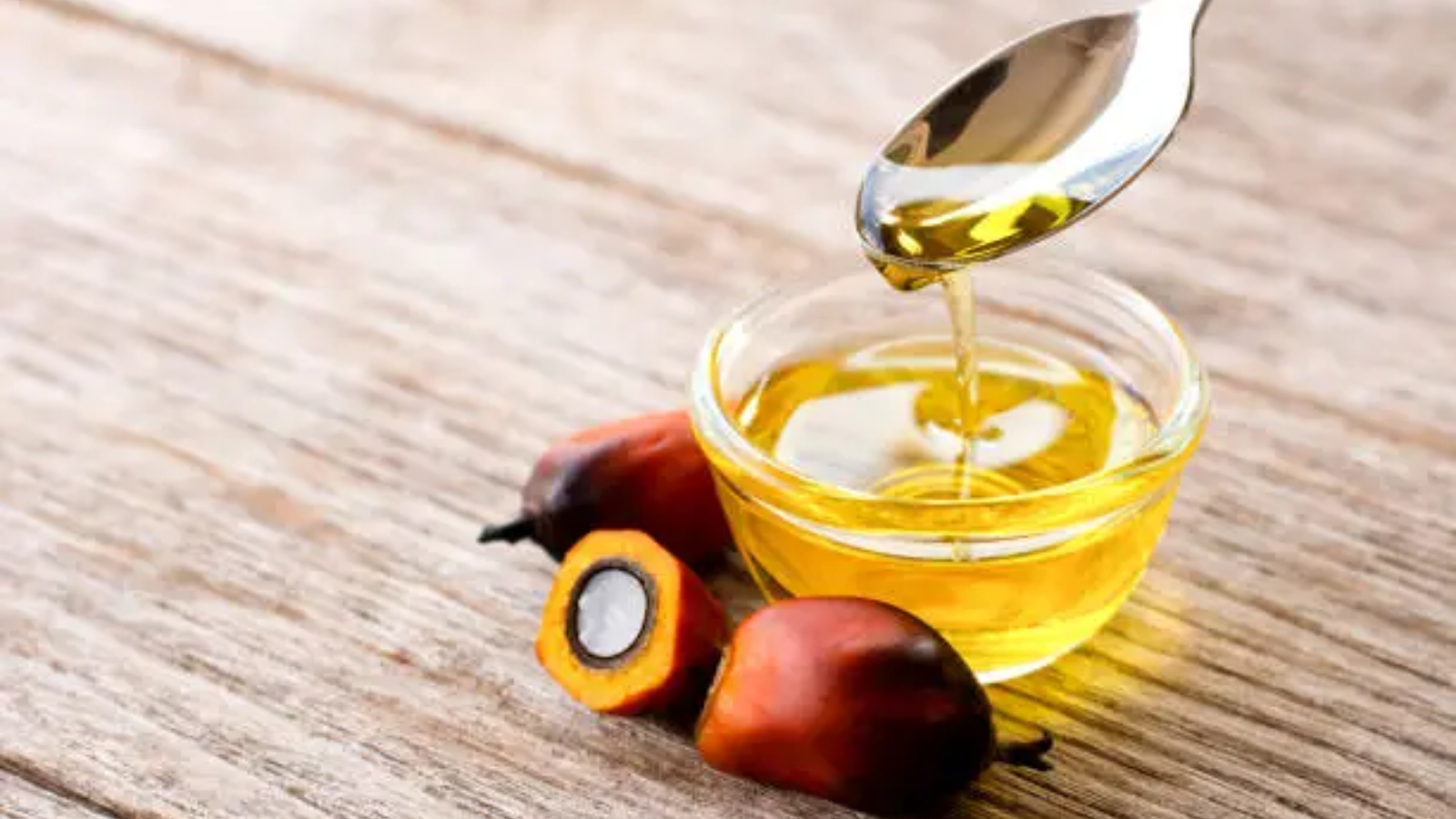
Palm oil comprises roughly 45% fatty acids, predominantly palmitic acid, with the remainder made up of monounsaturated and polyunsaturated fats. On the fat spectrum it sits between highly saturated fats such as butter, ghee, and coconut oil, and more unsaturated oils like sunflower, soybean, and mustard. After the global phase‑out of industrial trans‑fats, palm oil gained prominence because it is naturally semi‑solid and does not require hydrogenation, a process that creates harmful trans‑fatty acids.
Dietary Context Matters More Than the Oil
Health risks associated with palm oil largely stem from the ultra‑processed foods that use it—packaged snacks, confectionery, and fried items. In these products, excess sugar, salt, and calories often pose a greater threat than the oil itself. Scientific evidence shows that palm oil modestly raises both LDL (bad) and HDL (good) cholesterol, but it is not uniquely detrimental to heart health. The real concern is excessive saturated fat intake, regardless of whether the source is palm oil, butter, or coconut oil.
Economic and Nutritional Significance of Palm Oil
India’s per‑capita edible‑oil consumption averages about 21 grams per day, below the recommended 25‑30 grams, contributing to nutritional insecurity for low‑income households. Despite occupying only 5.5% of the world’s oil‑cultivated land, palm oil accounts for over 35% of global vegetable‑oil production thanks to its high yield per hectare. This makes it a cornerstone of an affordable edible‑oil market, crucial for a country where demand rises with population growth.
The Hidden Environmental Cost of Going Palm‑Free
Replacing palm oil with alternatives such as soybean, rapeseed, or sunflower oil would require 3.5‑5.6 times more land to produce an equivalent oil volume. Modeling studies estimate an additional 28‑52 million hectares of deforestation under large‑scale substitution scenarios. Moreover, the biodiversity footprint of other edible oils is substantially larger than that of palm oil, meaning that palm oil’s land‑efficient production actually poses a lower climate and biodiversity impact.
In sum, rather than an outright ban, a balanced approach that emphasizes moderate oil consumption, diverse diet, and the affordability of palm oil offers a more realistic pathway to both public health and environmental sustainability.