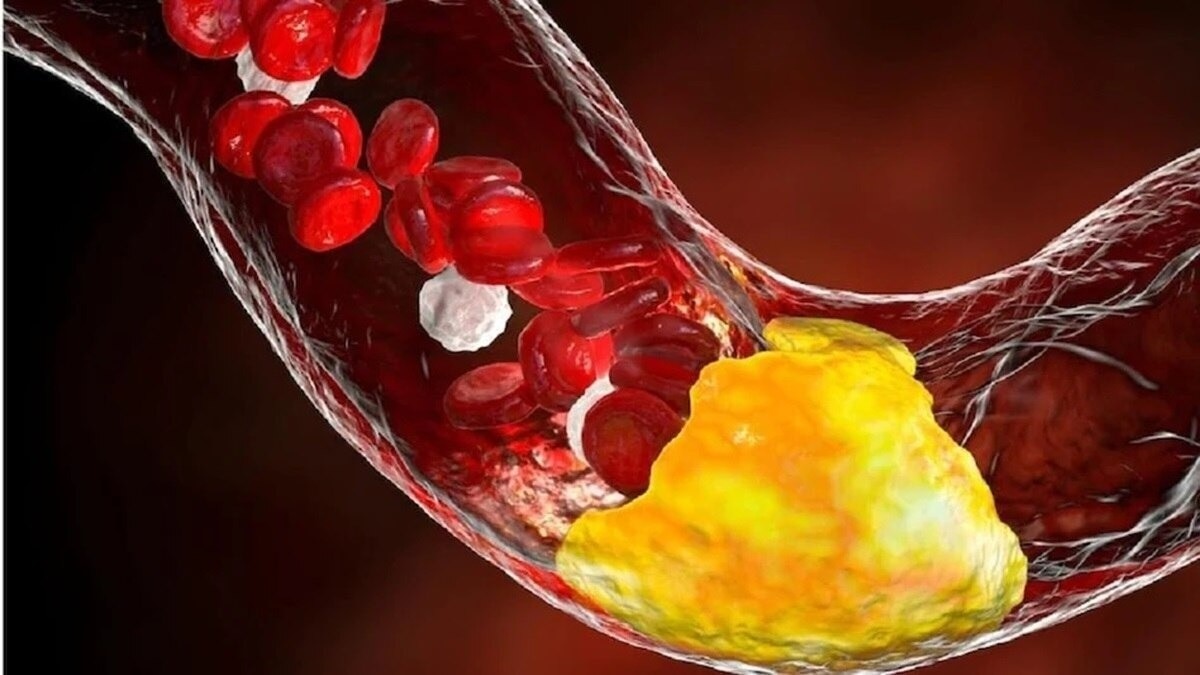
A major breakthrough in cardiovascular care as the USFDA clears Lipfendra, the first oral pill in the PCSK9 inhibitor class, replacing cumbersome injections for high cholesterol.
In a monumental shift for cardiovascular medicine, the US Food and Drug Administration (USFDA) has granted approval to Lipfendra, the world's first oral PCSK9 inhibitor. Developed by Merck, this once-daily pill, containing the active ingredient enlicitide, aims to revolutionize the treatment of stubborn LDL (bad) cholesterol, which has long been managed primarily through injections.
For years, the most potent class of drugs designed to lower cholesterol—PCSK9 inhibitors—required regular subcutaneous injections. While highly effective, the logistical challenge and psychological barrier of needles often led to poor patient adherence. Lipfendra changes this equation entirely by transforming a complex injectable therapy into a simple, daily oral routine.
Why This Matters (इसके मायने क्या हैं)
BozokMedia analysis shows that the success of any chronic disease management depends heavily on 'adherence'—the ability of a patient to stick to their medication schedule. By removing the 'needle barrier,' Lipfendra could significantly reduce the incidence of heart attacks and strokes globally. For patients who struggle with needle phobia or the inconvenience of frequent clinic visits, this pill offers a new lease on life.
On a broader scale, this development addresses the growing global epidemic of dyslipidemia. In India, where nearly 21% of the population suffers from elevated LDL levels, an oral alternative could drastically lower the long-term economic burden of cardiovascular complications on both families and the national healthcare infrastructure.
"I wouldn't call this a breakthrough discovery, but I'd call it exciting in the sense that it makes a therapy we already trust usable for a lot more people." - Dr. S A Merchant, Senior Cardiologist.
Historical Background
The management of cholesterol has evolved through several stages. Statins have been the gold standard for decades, saving millions of lives. However, approximately one in five patients fails to reach target LDL levels with statins alone, or experiences intolerable side effects like muscle pain. The introduction of PCSK9 inhibitors (such as Evolocumab and Alirocumab) provided a powerful secondary line of defense by blocking the protein that prevents the liver from clearing LDL. However, until the approval of Lipfendra, this powerful class remained restricted to those willing or able to undergo regular injections.
| Feature | Traditional PCSK9 (Injectables) | Lipfendra (Oral Pill) |
|---|---|---|
| Administration | Regular Injections | Daily Oral Tablet |
| Patient Convenience | Moderate to Low | Very High |
| Adherence Potential | Lower (due to needle fatigue) | Higher (easier routine) |
| Primary Function | Lower LDL Cholesterol | Lower LDL Cholesterol |
Frequently Asked Questions (अक्सर पूछे जाने वाले प्रश्न)
1. How effective is Lipfendra compared to injections?
Clinical trials demonstrated that Lipfendra lowers LDL cholesterol by approximately 56%, showing effectiveness comparable to existing injectable therapies.
2. Is this a replacement for Statins?
While highly effective, it is primarily intended for patients who require additional LDL lowering or those who cannot tolerate statins, rather than being a universal replacement.