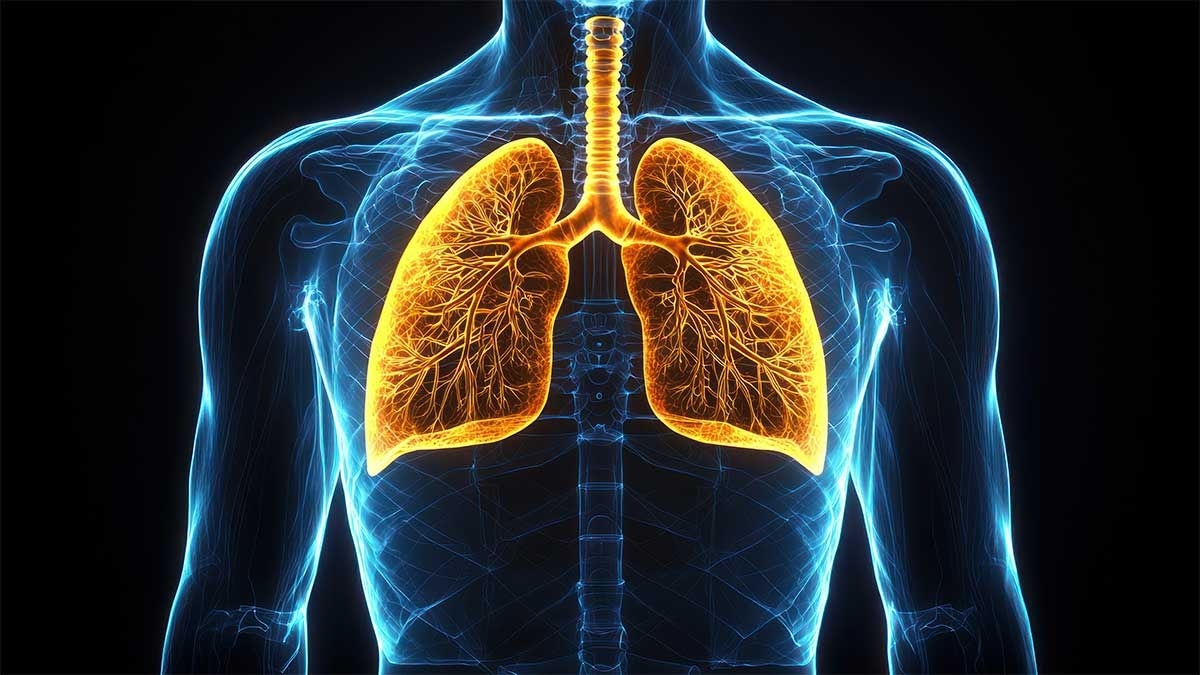
A significant rise in Swine Flu (H1N1) cases across several Indian states has raised concerns regarding secondary complications like pneumonia. Experts urge caution regarding the virus's evolving nature.
- Swine Flu (H1N1) cases are on a sharp upward trajectory across multiple states.
- The virus undergoes 'Antigenic Drift' and 'Antigenic Shift', complicating immunity.
- Neglecting early symptoms can lead to severe complications like Pneumonia.
- Vaccination remains the most effective preventive measure for high-risk groups.
Several states in India are reporting a surge in Swine Flu (Influenza A) cases, leading to increased patient inflow in outpatient departments (OPD) and hospitalizations. While medical professionals suggest there is no need for immediate panic, they emphasize that negligence could lead to severe health crises, particularly Pneumonia.
The Science of Viral Evolution
According to Dr. Satish Kaul, Principal Director of Internal Medicine at Fortis Hospital, Gurugram, the influenza virus is not static. It constantly undergoes genetic mutations. Small-scale changes, known as Antigenic Drift, occur annually or bi-annually. However, more drastic changes, termed Antigenic Shift, can lead to large-scale outbreaks or pandemics because the human immune system fails to recognize the new strain.
The continuous evolution of the influenza virus necessitates the annual updating of vaccine compositions to match circulating strains.
Why This Matters
BozokMedia analysis shows that the primary danger lies in the progression of the infection from the respiratory tract to the lungs. For individuals with pre-existing lung conditions or those who delay treatment, the flu can rapidly transition into life-threatening pneumonia. Monitoring symptoms like persistent fever and breathing difficulties is critical.
Prevention and High-Risk Management
To combat the spread, health experts recommend timely vaccination, especially for high-risk individuals. While the flu typically presents with fever, cough, sore throat, and body aches, the vaccine serves as a vital shield to reduce the severity of the illness and prevent hospitalization.
| Feature | Antigenic Drift | Antigenic Shift |
|---|---|---|
| Change Scale | Small/Gradual | Large/Sudden |
| Impact | Seasonal Flu Variations | Potential Pandemics |
| Immunity | Partial Recognition | Little to No Recognition |
Frequently Asked Questions
1. What are the common symptoms of Swine Flu?
Common symptoms include fever, cough, sore throat, muscle aches, and fatigue.
2. Can Swine Flu cause pneumonia?
Yes, if the infection spreads to the lungs or if the patient has underlying respiratory issues, it can cause severe pneumonia.