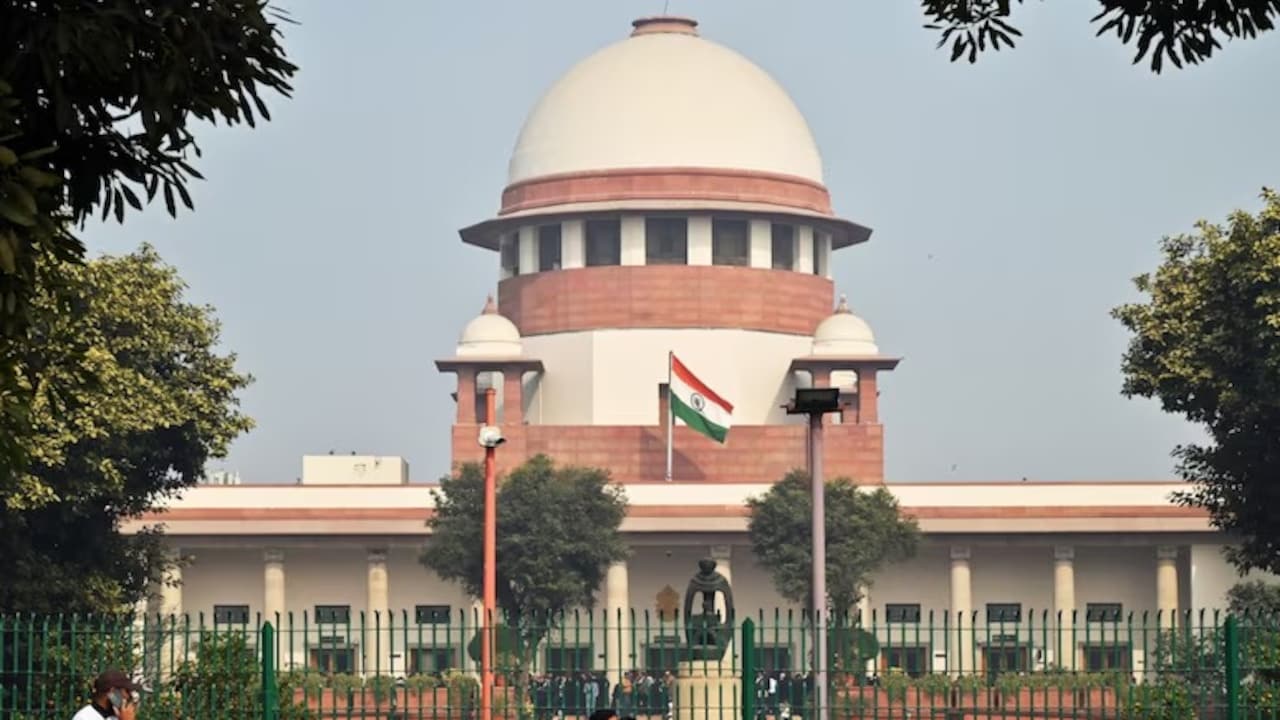
The Supreme Court has directed the Kerala High Court to expedite its suo motu proceedings concerning the high cost of Ribociclib. The move aims to balance patent rights with the need for affordable cancer treatment in India.
Key Takeaways
- Supreme Court orders Kerala High Court to fast‑track suo motu case on Ribociclib pricing.
- Patient alleges the drug is unaffordable due to patent‑driven high price.
- The ruling could reshape drug‑pricing policy and impact public health across India.
In 2022, a breast‑cancer patient filed a writ petition before the Kerala High Court, claiming that the prescribed drug Ribociclib was "too expensive and unavailable at an affordable price" because it was patented. Following the petition, the Supreme Court issued an order urging the Kerala High Court to resolve the suo motu proceedings without delay.
Suo motu actions are initiated by the apex court when it perceives a matter of public interest requires immediate judicial intervention. Here, the soaring cost of a life‑saving medication triggered the court's involvement, compelling the Kerala High Court to hear the case promptly and consider measures that could make the drug more accessible.
Historical Background: India’s patent regime underwent a major amendment in 2005 to align with the TRIPS agreement, limiting the duration of pharmaceutical patents and introducing provisions for compulsory licensing. Landmark cases such as Natco vs. Bayer and the subsequent price‑control rulings have set precedents for balancing patent protection with public health needs. While patents incentivize innovation, they can also render essential medicines prohibitively expensive for the average citizen.
Why This Matters (इसके मायने क्या हैं)
BozokMedia analysis shows that the outcome of this hearing will directly affect the affordability of cancer treatment for millions of Indians. A reduction in Ribociclib’s price could alleviate financial strain on patients and reduce the burden on health‑insurance schemes and state‑run health programs.
Conversely, a strict enforcement of patent rights may preserve incentives for pharmaceutical research but risk widening the gap between cutting‑edge therapy and those who can actually afford it. The delicate balance between innovation and accessibility will shape India’s future health‑policy landscape.
"Ensuring both patent protection and affordable access is essential; neglecting either can lead to a public health crisis," says Dr. Anita Sharma, health‑policy expert.
| Parameter | Patented Ribociclib | Generic Alternatives |
|---|---|---|
| Average Price (INR) | ₹1,20,000 per month | ₹35,000‑₹45,000 per month |
| Availability | Limited, imported | Widespread, locally manufactured |
Frequently Asked Questions (अक्सर पूछे जाने वाले प्रश्न)
Question 1: What legal mechanisms can be used to lower the price of Ribociclic?
Answer: Following the court order, the state or central government can invoke the Drug Price Control Order (DPCO) or approve compulsory licensing to reduce prices.
Question 2: How will this case affect the Indian pharmaceutical industry?
Answer: A price reduction could boost domestic generic manufacturers’ market share, while multinational firms may face reduced revenues from patented drugs.