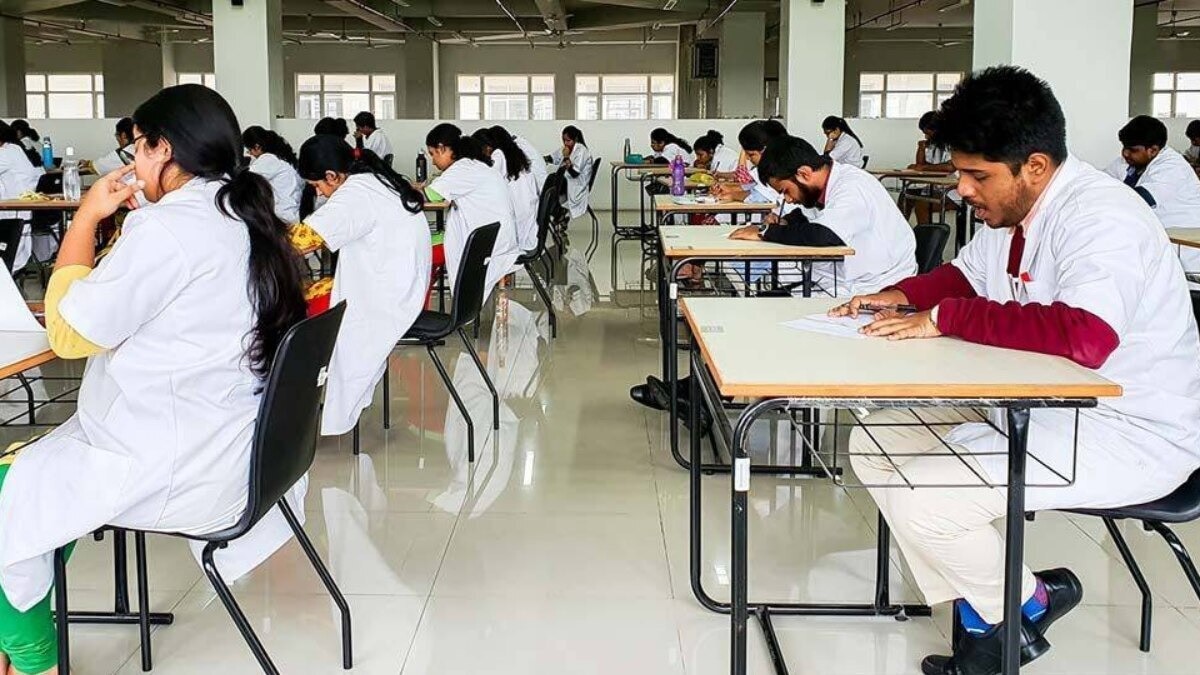
India has witnessed a massive surge in medical education capacity, with medical colleges jumping to 844 and MBBS seats reaching nearly 1.40 lakh.
Key Takeaways
- Medical colleges in India have increased from 387 in 2014 to 844 currently.
- Undergrad MBBS seats have risen from 51,348 to 1,39,489.
- Postgraduate medical seats have seen a massive jump to 86,360.
- New initiatives like the 'Family Adoption Programme' aim to bridge the rural-urban healthcare gap.
India is undergoing a massive transformation in its medical education landscape. In a recent update to the Lok Sabha, Minister of State for Health Anupriya Patel revealed that the number of medical colleges in the country has nearly doubled over the last decade, reaching a total of 844. This expansion is a strategic move to address the long-standing shortage of medical professionals in the country.
Comparative Growth in Medical Infrastructure
The data presented to the Parliament highlights a significant upward trajectory in both undergraduate and postgraduate medical training capacities. This growth is aimed at strengthening healthcare delivery, especially in underserved regions.
| Metric | In 2014 | Current Status |
|---|---|---|
| Medical Colleges | 387 | 844 |
| MBBS Seats | 51,348 | 1,39,489 |
| PG Medical Seats | 31,185 | 86,360 |
Why This Matters
BozokMedia analysis shows that this rapid scaling of medical seats is critical for mitigating the doctor-to-patient ratio crisis in India. By increasing the volume of graduates, the government is attempting to decentralize healthcare and ensure that specialist care is not just a privilege of urban dwellers.
The expansion of medical seats is the cornerstone of India's mission to achieve universal healthcare access.
Beyond just numbers, the Ministry is also reforming how doctors are trained. The Family Adoption Programme has been integrated into the MBBS curriculum, requiring students to adopt villages and monitor essential health parameters like nutrition, vaccination, and hygiene. Furthermore, the District Residency Programme mandates postgraduate students to serve in district hospitals for three months to strengthen rural medical services.
Historical Background
For years, India struggled with a shortage of medical seats, leading to intense competition and a heavy concentration of doctors in metropolitan cities. The decade-long push for more colleges and seats is a direct response to the need for a more balanced healthcare workforce across all states.
Frequently Asked Questions
1. How many MBBS seats are currently available in India?
There are currently 1,39,489 MBBS seats available across the country.
2. What is the Family Adoption Programme?
It is a medical curriculum initiative where MBBS students adopt villages to provide regular health monitoring and follow-ups.