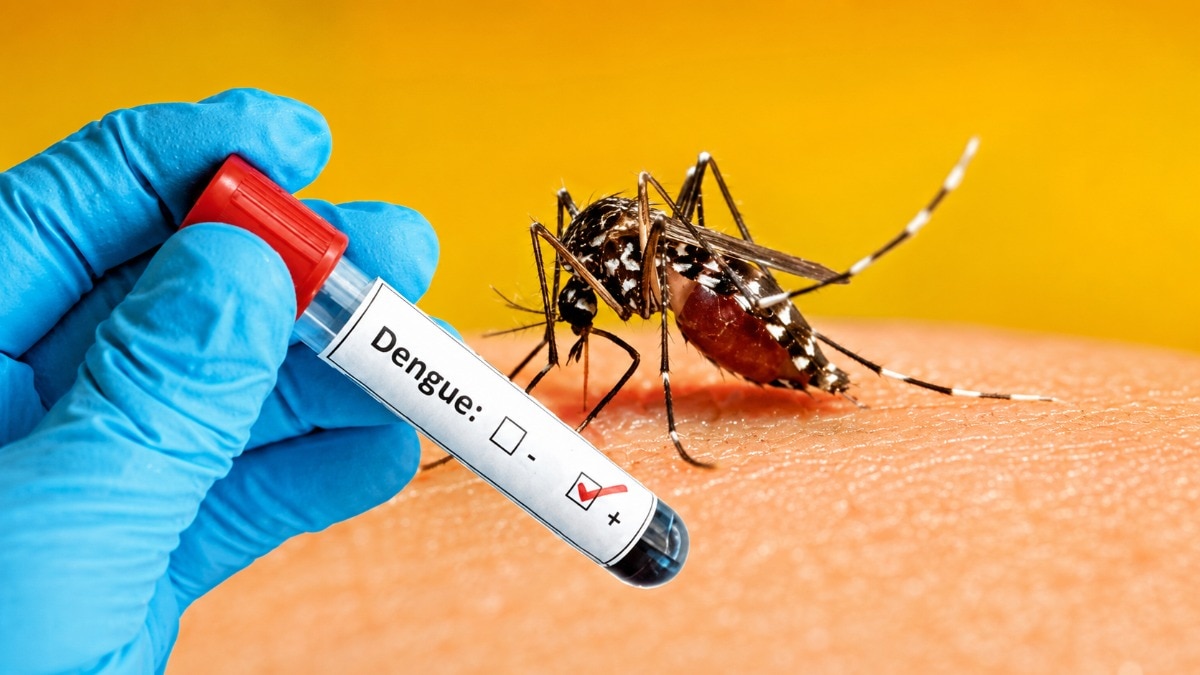
A recent study reveals that individuals living with Type 2 diabetes face a significantly higher risk of developing severe dengue complications. Experts warn that compromised immunity and blood vessel damage could lead to life-threatening outcomes.
Key Takeaways
- Type 2 diabetics are at higher risk for Dengue Haemorrhagic Fever.
- Impaired immune response and endothelial dysfunction exacerbate the virus.
- Strict glycemic control is vital to mitigate severe complications.
New research has highlighted a critical link between Type 2 diabetes and the severity of Dengue fever. According to findings published in the Journal of Infection and Public Health, diabetic patients are more susceptible to dangerous complications, including dengue haemorrhagic fever and dengue shock syndrome.
Why Diabetes Heightens Dengue Severity
Dr. Vineet Kumar Surana, a Consultant in Diabetes and Endocrinology at Manipal Hospital, New Delhi, explains that diabetes fundamentally weakens the body's ability to fight off infections. "People with Type 2 diabetes often have an impaired immune response compared to the general population," Dr. Surana stated. This weakened defense allows the dengue virus to cause more extensive damage.
Why This Matters: A BozokMedia Analysis
BozokMedia analysis shows that the intersection of diabetes and dengue creates a dangerous physiological cycle. Diabetes can lead to endothelial dysfunction (damage to blood vessel linings) and platelet dysfunction. When the dengue virus causes fluid to leak from blood vessels, the existing vascular damage in diabetic patients can lead to rapid dehydration and a catastrophic drop in blood volume.
Weakened immunity and vascular dysfunction are the primary drivers that turn a standard dengue infection into a life-threatening crisis for diabetics.
Warning Signs and Clinical Monitoring
Medical professionals urge diabetic patients to seek immediate evaluation if they experience fever during dengue season. Critical warning signs include:
- Rapidly increasing pulse rate
- Difficulty breathing
- Severe abdominal pain
- Swelling in the limbs
Frequently Asked Questions
1. Can managing blood sugar prevent severe dengue?
While it cannot prevent infection, maintaining good glycemic control strengthens the immune system and reduces the risk of complications.
2. Who is at the highest risk among diabetics?
Those with poorly controlled diabetes, obesity, or pre-existing kidney and heart diseases are at the greatest danger.