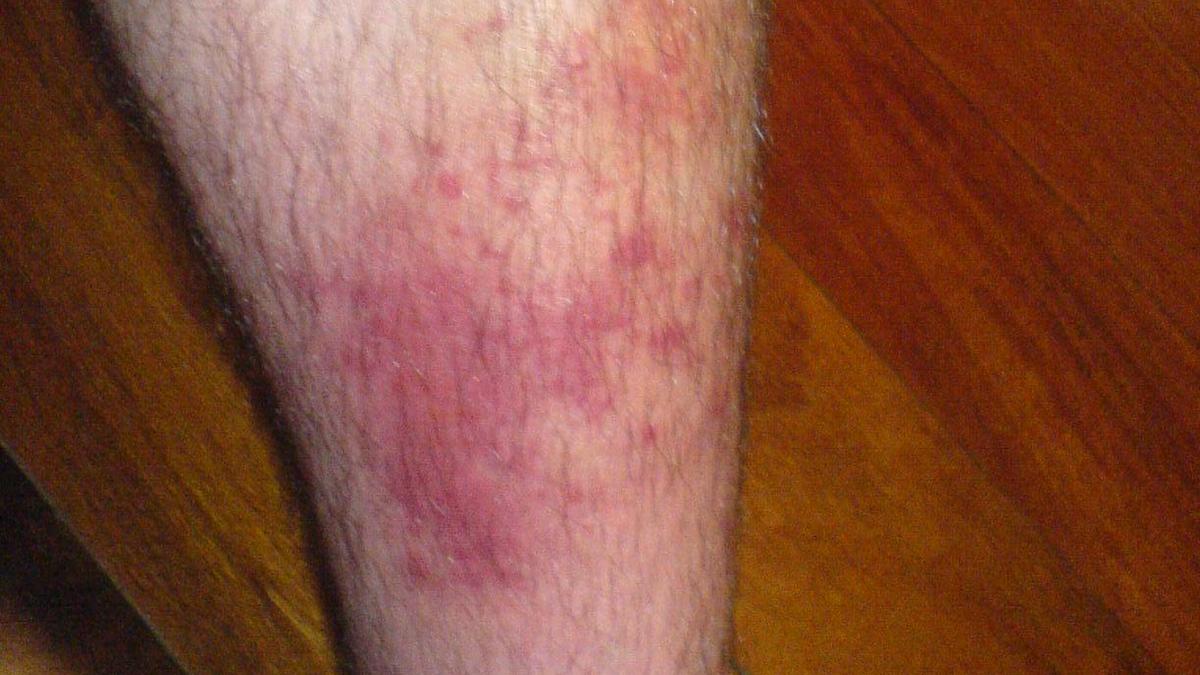
The ICMR has clarified that the rising H1N1 influenza cases in India are due to seasonal trends rather than the emergence of a new strain. However, hotspots like Delhi and Maharashtra report significant climbs in infections.
- ICMR confirms current H1N1 rise is a seasonal surge, not a new mutation.
- Major hotspots identified in Delhi, Mumbai, and Pune.
- Health authorities are reviewing hospital preparedness and sampling rates.
The Indian Council of Medical Research (ICMR) has issued a critical clarification regarding the recent spike in H1N1 influenza cases across India. According to the premier health body, the current upward trend is a characteristic seasonal surge rather than the introduction of a new or more virulent strain of the virus. This distinction is vital to prevent public panic regarding potential new pandemics.
Despite the lack of a new strain, the sheer volume of cases is causing concern in several metropolitan areas. In Delhi, cases have crossed the 2,300 mark, prompting the Health Minister to review hospital readiness and sampling capacities. Simultaneously, Maharashtra is witnessing a massive outbreak, with total cases surpassing last year's cumulative figures. The cities of Mumbai and Pune have emerged as the primary hotspots for the virus.
Why This Matters
BozokMedia analysis shows that while the biological nature of the virus remains consistent with previous seasonal patterns, the rapid escalation in case numbers can strain local healthcare infrastructures. High infection rates in densely populated urban centers like Mumbai and Delhi require immediate logistical coordination to manage patient inflow.
While the virus follows a seasonal pattern, the rapid escalation in urban centers necessitates heightened clinical vigilance and robust public health responses.
In response to the growing numbers, corporate sectors have begun urging employees to maintain strict hygiene protocols and stay alert to symptoms. Local administrations are also conducting emergency meetings to ensure that healthcare facilities are equipped with adequate testing kits and antiviral medications to manage the influx of patients.
Historical Background
H1N1, widely known as Swine Flu, gained global notoriety during the 2009 pandemic. Since then, it has transitioned into a seasonal respiratory virus that typically sees spikes during shifts in temperature and humidity, often coinciding with the transition between monsoon and winter seasons in the Indian subcontinent.
Frequently Asked Questions
Question 1: Is there a new, more dangerous version of H1N1 circulating in India?
Answer: No, the ICMR has explicitly stated that this is a seasonal surge and not a new strain.
Question 2: Which areas in India are currently most affected?
Answer: Delhi and Maharashtra, specifically Mumbai and Pune, are currently reporting the highest numbers of cases.