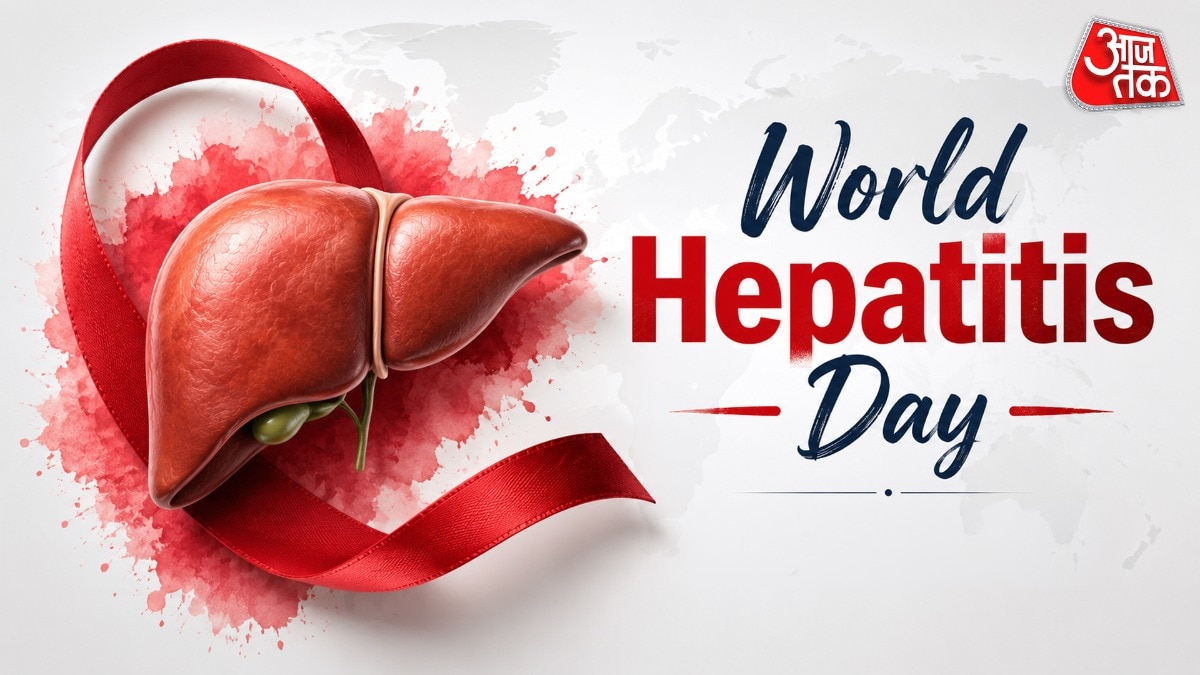
Hepatitis, a viral infection, can silently progress from mild fatigue to sudden liver failure. Learn the warning signs, essential tests, and preventive measures to protect your liver.
Key Takeaways
- Hepatitis can cause abrupt liver failure.
- Early signs often include fatigue, unexplained weakness, and loss of appetite.
- Vaccination, sterile needles, and safe sexual practices can prevent infection.
What Is Hepatitis?
Hepatitis is a viral infection that inflames the liver. It exists in several types—A, B, C, D, and E—with B and C being the most dangerous due to their chronic nature.
Early and Advanced Symptoms
In the initial stage, patients usually experience mild fatigue, unexplained weakness, and reduced appetite, often dismissed as digestive issues. As the disease advances, jaundice, dark urine, pale stool, and rapid liver failure may occur.
Diagnosis and Testing
Physicians recommend a Liver Function Test (LFT) followed by a hepatitis panel blood test. These reveal viral presence and the extent of liver damage.
Prevention Measures
A vaccine exists for hepatitis‑B. Additionally, using sterilized needles, avoiding unsafe sexual contact, and drinking clean water are critical preventive steps.
Historical Background
The viral nature of hepatitis was confirmed in the mid‑20th century. The 1970s saw the development of the hepatitis‑B vaccine, dramatically reducing infections worldwide. Yet, low awareness still leads to delayed diagnosis and severe complications.
Why This Matters
BozokMedia analysis shows that in India, roughly one million people develop liver cirrhosis or failure annually due to hepatitis‑C, straining the healthcare system. Early detection and robust prevention policies are essential for national health security.
Dr. Priyanka Ramanivas Oja, a hepatology specialist, warns that unnoticed hepatitis can silently damage the liver for years before symptoms appear.
Frequently Asked Questions
What are the early signs of hepatitis? Fatigue, weakness, loss of appetite, mild abdominal discomfort, and sometimes slight jaundice.
Is hepatitis treatable? Yes—antiviral medications and timely medical care can halt disease progression, especially for types A, B, and C.