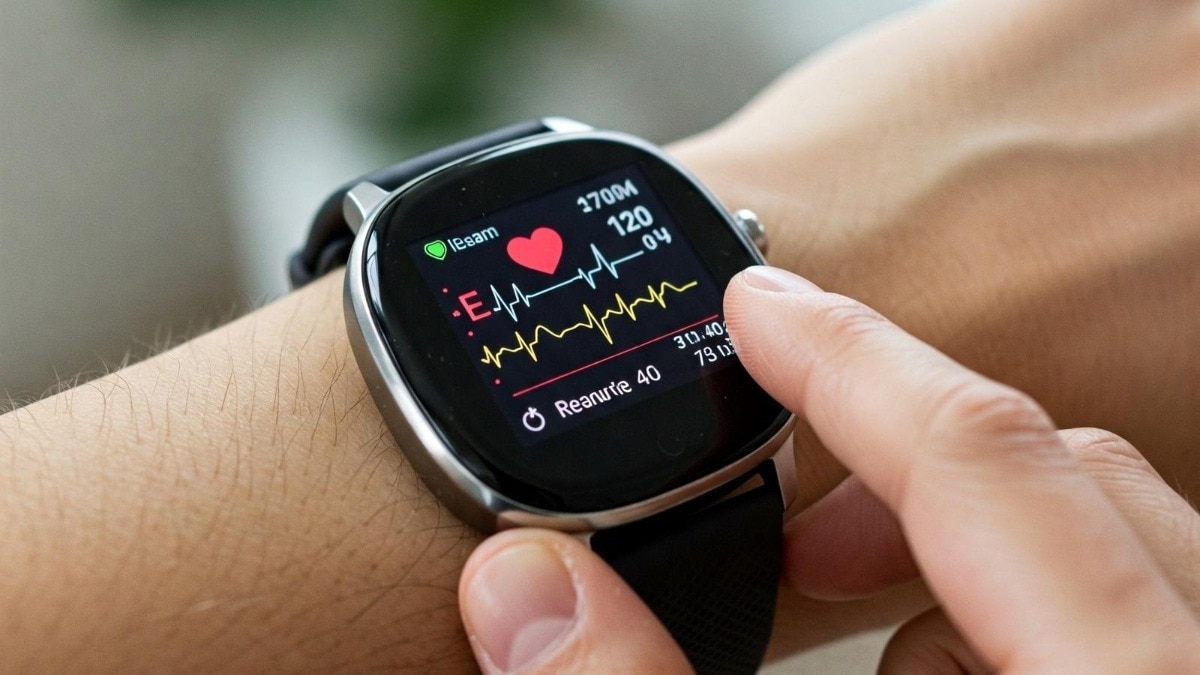
Cardiologist Dr. Christopher Granger explains how wearable devices like Apple Watch and portable ECGs can alert users to irregular heart rhythms, prompting early medical evaluation and reducing stroke risk.
Key Takeaways
- Wearables can alert users to abnormal heart rates
- They cannot diagnose atrial fibrillation on their own
- Early detection helps lower stroke risk
Dr. Christopher Granger, Distinguished Professor of Medicine at Duke University, says wearable technology is bridging a critical gap in atrial fibrillation (AF) care by spotting the condition before complications arise. AF often develops silently, leaving many undiagnosed until a serious event such as a stroke occurs.
Devices like the Apple Watch, Samsung Watch, and Fitbit continuously monitor heart rate. If a resting heart rate spikes or the watch issues an irregular rhythm alert, users should not ignore it and must consult a physician promptly.
While smartwatches can flag suspicious rhythms, they cannot confirm AF. Dr. Grange emphasizes that a simple pulse check during a routine visit remains one of the easiest screening methods. An irregular pulse warrants an electrocardiogram (ECG) for definitive diagnosis.
Portable ECG gadgets such as AliveCor’s Kardia enable users to record their heart rhythm during symptoms and share the data with healthcare professionals. This digital health approach encourages earlier medical consultation.
Wearable alerts are a first line of defense, not a definitive diagnosis.
Why This Matters
BozokMedia analysis shows that widespread adoption of wearable tech could dramatically increase early AF detection, preventing life‑threatening strokes and easing the burden on healthcare systems.
Frequently Asked Questions
Can a smartwatch replace a medical ECG? No, it only provides an early warning; confirmation requires a professional ECG.
What should I do if my watch alerts an irregular rhythm? Seek medical advice immediately and undergo a formal ECG evaluation.