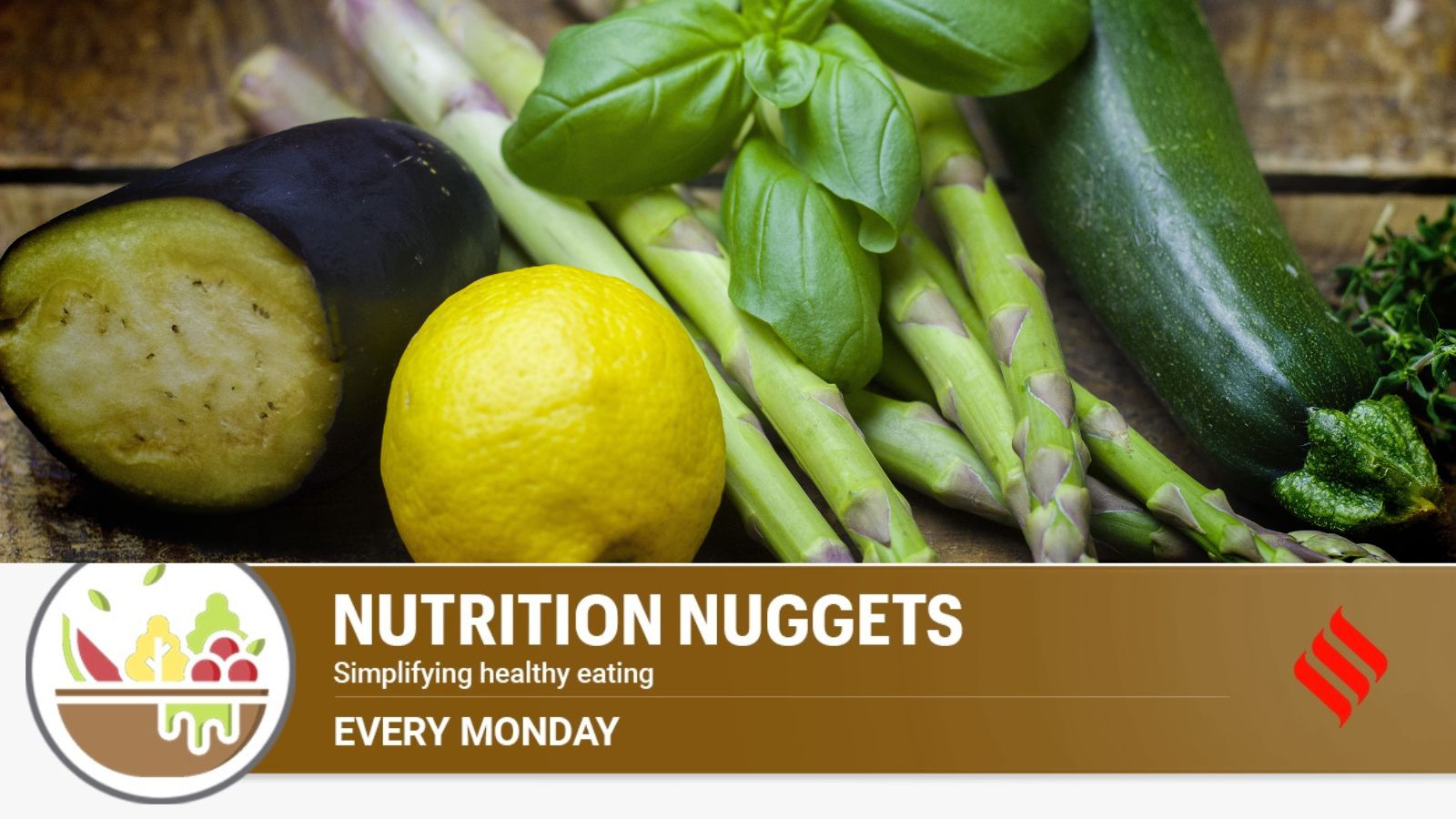
A recent study of over 3,200 adults aged 50+ found that closer adherence to a Mediterranean‑style diet correlates with better psychological well‑being and greater stress resilience. Indian households can embrace this diet without costly imports, using traditional staples that already meet its core principles.
Key Takeaways
- The Mediterranean diet emphasizes plant‑based foods, healthy fats, whole grains, and moderate protein.
- Most of these components already exist in a typical Indian kitchen.
- Balancing vegetables, legumes, whole grains, and unsaturated fats supports both physical and mental health.
Understanding the Mediterranean Pattern
Often reduced to olive oil and feta cheese, the Mediterranean diet is actually a balanced eating pattern built around vegetables, fruits, legumes, whole grains, nuts, seeds, and moderate amounts of dairy, fish, or lean meat. Processed foods, refined carbs, sugary drinks, and excessive red meat play a minimal role.
Indian Pantry Already Meets the Basics
A traditional Indian plate—dal, seasonal vegetables, whole‑wheat or millet rotis, curd, and a fresh salad—provides fiber, protein, vitamins, minerals, and complex carbohydrates in ratios strikingly similar to Mediterranean recommendations. Beans, chickpeas, lentils, green moong, and sprouts are excellent plant‑protein sources, while homemade curd adds probiotics. Spices such as turmeric, cumin, coriander, and ginger contribute antioxidant and anti‑inflammatory compounds.
Let Vegetables Lead the Plate
Aim for half the plate to be vegetables at lunch and dinner. India's diverse produce—spinach, methi, sarson, pumpkin, cauliflower, carrots, beetroot, capsicum, bhindi, and gourds—delivers fiber, vitamins, minerals, and antioxidants with low calories. Colorful varieties increase phytonutrient diversity, combating oxidative stress and chronic inflammation linked to diabetes and heart disease.
Choose Whole Grains Over Refined Carbs
Swap polished white rice and refined flour for whole wheat, brown rice, hand‑pounded rice, or traditional millets like jowar, bajra, and ragi. Whole grains raise fiber intake, slow post‑meal glucose spikes, promote satiety, and nurture beneficial gut bacteria.
Protein Needs a Bigger Role
Higher protein intake improves satiety, preserves muscle mass, supports healthy ageing, and stabilizes blood glucose. Affordable options include dals, rajma, chole, soy products, sprouts, and homemade curd. For omnivores, eggs, fish, and skinless chicken can be added in moderation; paneer should be prepared with limited oil and portion‑controlled.
Healthy Fats Matter More Than Expensive Oils
Unsaturated fats are the cornerstone of the Mediterranean approach. Mustard oil, groundnut oil, sesame oil, and rice‑bran oil can fit a healthy pattern when used judiciously. The goal is to reduce saturated fats from excess ghee, butter, vanaspati, and ultra‑processed foods.
Why This Matters
BozokMedia analysis shows that integrating Mediterranean principles with Indian culinary traditions not only reduces cardiovascular risks but also supports mental resilience, a crucial factor in an aging population.
Dr. Saptarshi Bhattacharya says, “Integrating Mediterranean principles with Indian foods can boost both physical and mental health.”
Frequently Asked Questions
Q1: Do I need to buy olive oil to follow a Mediterranean diet in India?
A: No. Light, unsaturated oils such as mustard, sesame, or groundnut oil can provide the necessary healthy fats.
Q2: Which Indian foods best align with Mediterranean standards?
A: Lentils, whole‑grain millets, seasonal vegetables, curd, and moderate portions of fish or eggs are top choices.