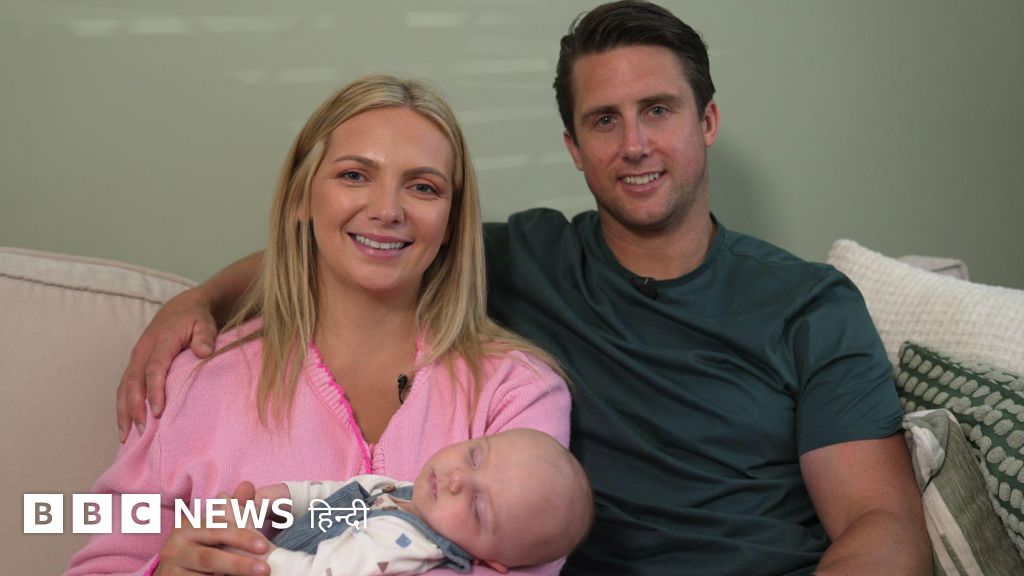
In a groundbreaking medical feat, doctors successfully performed a complex surgery on an unborn baby to correct a life-threatening condition. Baby Theo, born in Texas, is now a healthy five-month-old after this historic procedure.
Key Takeaways
- Baby Theo was diagnosed with Gastroschisis, a condition where intestines develop outside the abdomen.
- A historic in-utero keyhole surgery was performed in the USA to correct the defect.
- The procedure involved a clinical trial led by Dr. Michael Belfort at Texas Children’s Hospital.
- Theo is now five months old and thriving healthily.
In an extraordinary leap for fetal medicine, surgeons have successfully corrected a severe congenital defect while the baby was still in the womb. Maisie Savage, a resident of London, underwent a complex surgical procedure in the United States to save her son, Theo, from a life-threatening condition.
Understanding Gastroschisis
Theo was diagnosed with Gastroschisis, a condition where the baby's abdominal wall does not close properly, causing the intestines to grow outside the body. This condition is highly critical and often requires intensive neonatal care, multiple surgeries, and long-term nutritional support through IV lines.
The Revolutionary Surgical Process
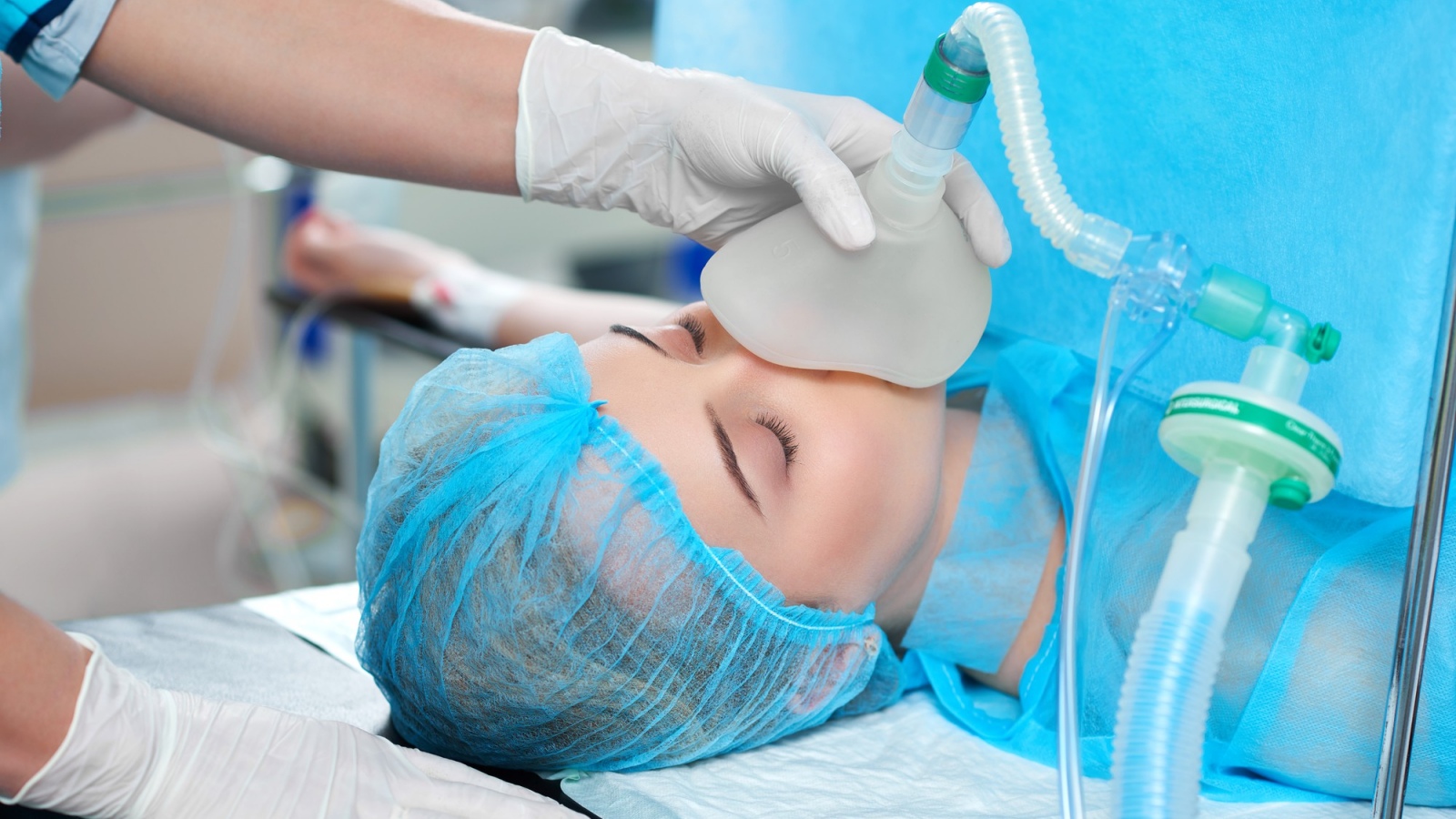
The procedure was part of a pioneering clinical trial led by Dr. Michael Belfort at Texas Children’s Hospital. The process began in Belgium, where Botox was injected through the mother's abdomen to relax the muscles. Later, in Texas, surgeons carefully accessed the uterus, used carbon dioxide to create space, and utilized keyhole surgery to gently reposition Theo's organs back into his abdomen.
Why This Matters
BozokMedia analysis shows that such prenatal interventions could drastically reduce the mortality rates and long-term complications associated with congenital defects. Instead of reactive surgeries after birth, proactive in-utero corrections offer a much higher chance of a normal developmental trajectory.
"This successful intervention marks a paradigm shift in how we approach complex fetal abnormalities."
Frequently Asked Questions
1. What is the main benefit of in-utero surgery?
It allows doctors to correct defects before birth, reducing the immediate trauma and complications the baby faces at delivery.
2. Is the mother's health at risk during such surgeries?
While any surgery carries risks, this specialized procedure is designed to minimize impact on the mother while maximizing fetal safety.