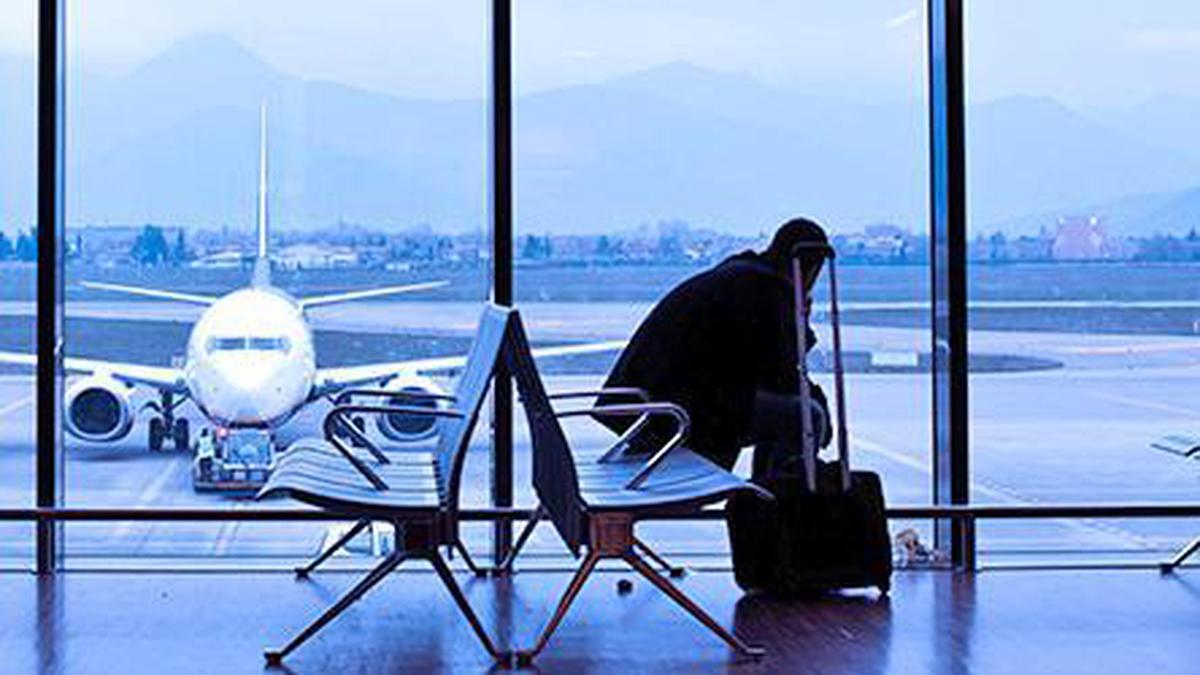
Rising media coverage of aviation incidents has heightened flight anxiety worldwide. Learn how psychological resilience and proper preparation can help you navigate the skies with calm.
Key Takeaways
- Fear of flying is a natural response that can be managed through psychological tools.
- Constant exposure to sensationalized aviation news can cause 'vicarious trauma'.
- Mindfulness, education on safety protocols, and distraction techniques are effective coping mechanisms.
- Statistically, flying remains significantly safer than road travel.
In recent months, high-profile aviation incidents—ranging from sudden turbulence to technical malfunctions—have triggered widespread unease among travelers. While aviation continues to be one of the safest modes of transport, the relentless media cycle and viral social media clips have created a perception of heightened risk, leading to increased anxiety for both passengers and crew.
The Psychology of Flight Anxiety
The human brain is hardwired to prioritize threats. Emily Carter, an aviation psychologist, notes that the amygdala—the brain's fear center—can often override logical reasoning. This is why even seasoned travelers might experience sudden dread despite knowing the safety statistics. Furthermore, witnessing distressing news can lead to 'vicarious trauma,' where the nervous system reacts to a perceived danger even if the individual is not directly involved.
Why This Matters: BozokMedia Analysis
BozokMedia analysis shows that the demographic most affected by travel stress is often the 45–54 age group. Often in the 'sandwich stage' of life, these individuals are juggling intense professional responsibilities, childcare, and eldercare. For this group, the added unpredictability of air travel can act as a significant psychological trigger, compounding existing life stressors.
Our brains are wired to pay attention to threats, and repeated exposure to alarming news can make flying seem more dangerous than it actually is.
Strategies to Combat Fear
To regain control during your next flight, consider these evidence-based approaches:
- Educate Yourself: Understanding the rigorous safety protocols used in modern aviation can provide much-needed reassurance.
- Practice Mindfulness: Techniques like deep breathing or using apps like Calm can help ground you during turbulence.
- Curate Your Media Intake: Avoid sensationalized reports and stick to credible, fact-based news sources.
- Use Distraction Tools: Audiobooks, music, or stress balls can help redirect your focus away from anxiety.
Frequently Asked Questions
1. Is turbulence a sign of danger?
Generally, no. Turbulence is a natural phenomenon caused by air currents and is not a structural threat to the aircraft.
2. Can therapy help with a debilitating fear of flying?
Yes, Cognitive Behavioral Therapy (CBT) is highly effective in treating specific phobias and travel-related anxiety.