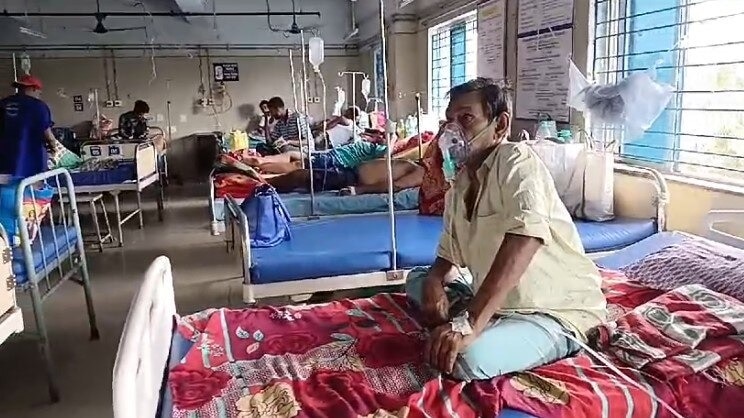
Artificial Intelligence is poised to shift India's healthcare paradigm from treating illnesses to preventing them. By leveraging advanced diagnostics, AI can bridge the gap in medical accessibility and accuracy.
Key Takeaways
- AI can transition India from a 'reactive' (treating illness) to a 'preventive' (preventing illness) healthcare model.
- Enhanced diagnostics and data-driven insights will improve patient outcomes.
- AI tools can assist in bridging the doctor-to-patient ratio gap in rural areas.
India's healthcare landscape is on the verge of a massive paradigm shift. For decades, the system has functioned on a reactive basis—treating patients only after symptoms appear and diseases progress. However, the integration of Artificial Intelligence (AI) promises to pivot this model toward preventive healthcare, identifying risks long before they become critical.
The Power of Precision Diagnostics
One of the most significant hurdles in the Indian healthcare sector is the speed and accessibility of accurate diagnostics. AI-driven algorithms are now capable of analyzing complex medical imaging, such as MRIs and CT scans, with incredible precision. This capability allows for the early detection of chronic conditions like cardiovascular diseases and various forms of cancer, which are often difficult to catch in their nascent stages.
Why This Matters
BozokMedia analysis shows that by shifting the focus to prevention, India can significantly reduce the economic burden of long-term hospitalizations. AI doesn't just improve individual health; it stabilizes the entire national healthcare infrastructure by optimizing resource allocation.
"The real race in India's healthcare AI is not about building larger models, but about creating better, more accessible diagnostic tools."
Historically, India has struggled with a massive shortage of specialized medical professionals, particularly in Tier-2 and Tier-3 cities. AI-powered chatbots and remote diagnostic tools act as a force multiplier, providing high-level medical intelligence to areas that lack human specialists.
Frequently Asked Questions
1. Will AI replace human doctors in India?
No, AI is designed to augment human expertise, handling data-heavy tasks so doctors can focus on complex patient care.
2. Is AI healthcare safe for patients?
When implemented with strict regulatory oversight and high-quality data, AI provides a highly reliable second opinion for clinicians.