A 20-year-old woman traveling from Ghana to Kolkata underwent a high-precision robotic surgery to remove a migrated metallic nail from her abdomen. The implant was dangerously close to vital organs and blood vessels.
Key Takeaways
- A metallic nail migrated from a teenage bone surgery in Ghana to a woman's pelvic cavity.
- The implant was located near the iliac vessels, ureter, and kidney.
- Surgeons in Kolkata performed a successful robotic-assisted minimally invasive surgery.
- The patient was discharged within two days of the procedure.
In a remarkable medical feat, a 20-year-old woman who traveled nearly 8,000 kilometers from Ghana to Kolkata has successfully undergone a robotic surgery to remove a metallic nail from her abdomen. The procedure was critical due to the implant's proximity to life-threatening anatomical structures.
The Medical Mystery Explained
During her adolescence in Ghana, the patient underwent surgery to correct a walking impairment, during which an intramedullary metallic nail was implanted in her bone. Over several years, this nail partially dislodged and migrated into her pelvic cavity. Upon arriving in Kolkata and undergoing a CT scan at a private hospital, doctors discovered the metal fragment was lodged dangerously close to the iliac blood vessels, the ureter, the sigmoid colon, and the kidney.
Why This Matters
BozokMedia analysis shows that the surgical complexity of this case cannot be overstated. Any slight movement of the nail could have resulted in a perforation of the bowel or a rupture of the iliac artery, leading to massive internal hemorrhaging and potentially fatal consequences. The precision required to navigate such a high-risk zone made traditional open surgery a secondary option to more advanced technology.
"The implant was adjacent to several vital structures in the pelvis. Even a minor error could have caused severe damage to the intestines, ureters, or major blood vessels," stated Dr. Ajay Mondal, the lead Hepato-Biliary surgeon.
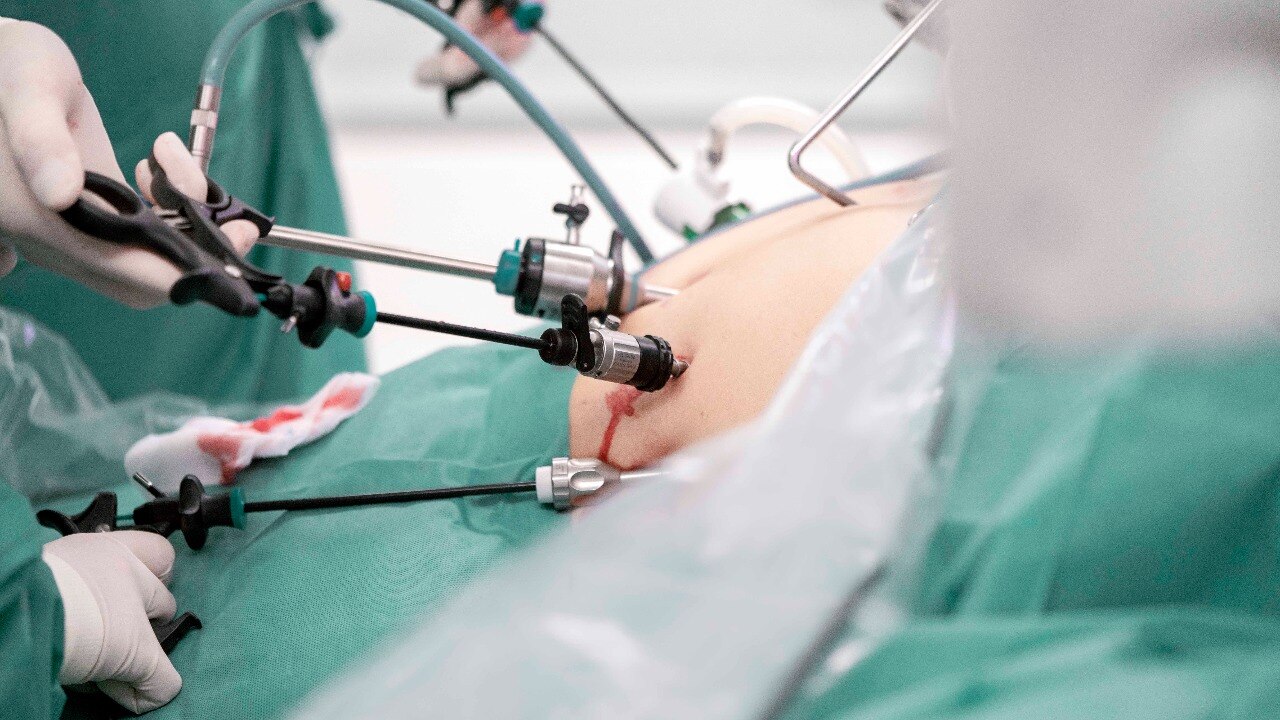
To mitigate these risks, the surgical team opted for Robot-Assisted Minimally Invasive Surgery. Utilizing the 3D zoom capabilities and the ultra-fine precision of robotic instrumentation, the surgeons were able to extract the implant through small incisions, avoiding the trauma of a major abdominal opening. The patient showed a swift recovery and was discharged within 48 hours.
Historical Background
Implant migration is a known, though rare, complication in orthopedic surgery. As medical technology evolves, the shift from invasive open surgeries to robotic-assisted procedures has significantly improved patient outcomes in cases involving internal foreign bodies.
Frequently Asked Questions
1. How did the nail end up in her abdomen?
The nail was part of a bone surgery performed years ago; it migrated from its original site due to natural bodily changes over time.
2. Why was robotic surgery chosen over regular surgery?
Robotic surgery provides superior visualization and precision, which was essential to avoid damaging critical blood vessels and organs located near the nail.