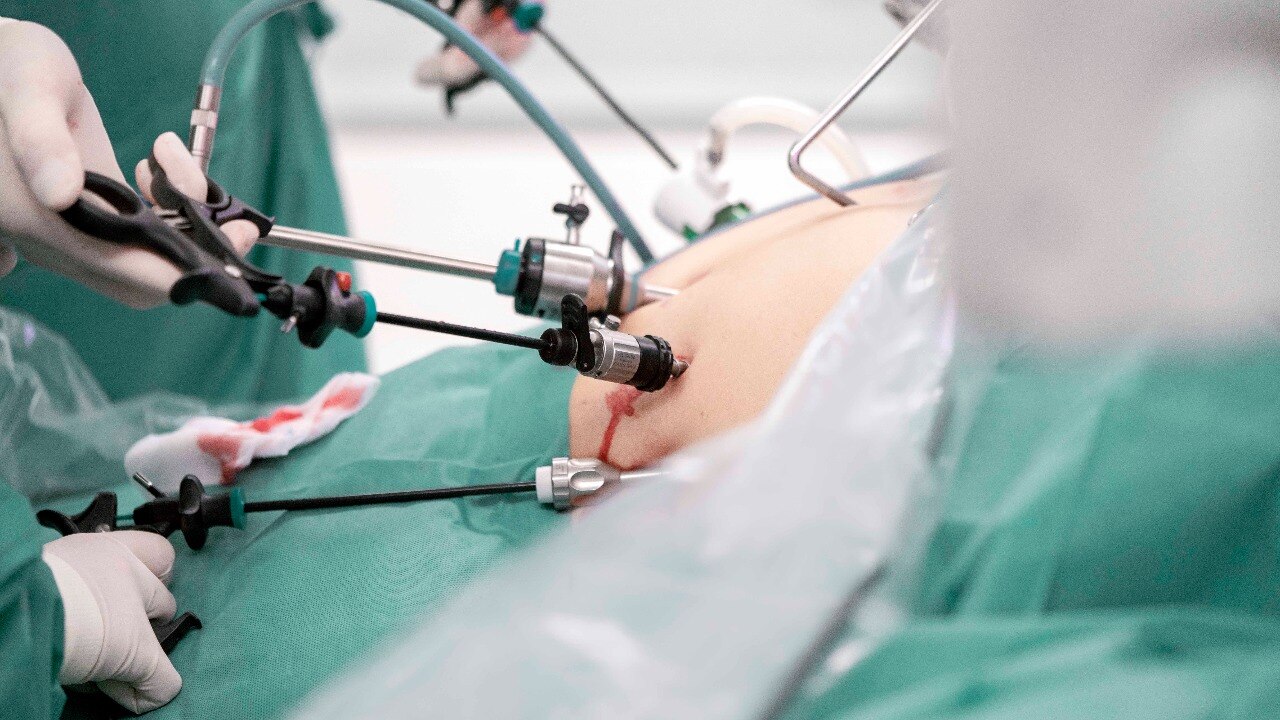
While GLP-1 medications are transforming obesity management, medical experts clarify why bariatric surgery remains a vital tool in the fight against obesity.
Key Takeaways
- GLP-1 drugs are reshaping obesity treatment by offering a non-surgical alternative.
- Bariatric surgery remains essential for patients with severe obesity and complications.
- Weight management requires a holistic approach involving nutrition and lifestyle.
- Medication alone is not a 'quick fix' and requires long-term monitoring.
The landscape of obesity treatment is undergoing a seismic shift. For decades, bariatric surgery stood as the gold standard for treating severe obesity. However, the rapid emergence of GLP-1 receptor agonists has introduced a new paradigm, offering a non-invasive pathway to significant weight loss through appetite regulation.
The Shift Toward Personalized Medicine
These new medications work by mimicking hormones that reduce appetite and increase feelings of satiety. For many, this provides a much-needed alternative to the operating table. However, medical professionals warn against viewing these drugs as a panacea. Dr. Kona Lakshmi Kumari, a metabolic surgeon at Yashoda Hospitals, emphasizes that obesity is a chronic, complex disease that cannot be solved by weight loss alone.
Why This Matters: BozokMedia Analysis
BozokMedia analysis shows that the medical industry is moving away from a 'one-size-fits-all' model toward highly personalized care. The rise of GLP-1 drugs doesn't render surgery obsolete; instead, it expands the toolkit available to doctors. The choice between medication and surgery now depends on a patient's metabolic profile, obesity severity, and long-term health goals.
GLP-1 therapies are not a quick fix; they are one component of a much larger, multifaceted treatment plan.
A critical concern raised by experts is the nutritional impact of these drugs. As appetite decreases, the risk of nutritional deficiencies increases. Dt Sonal Bhatnagar, a senior clinical dietician, notes that maintaining muscle mass and ensuring adequate protein and micronutrient intake is vital for those on GLP-1 regimens to prevent long-term health setbacks.
| Feature | GLP-1 Medications | Bariatric Surgery |
|---|---|---|
| Method | Pharmacological/Injection | Surgical Intervention |
| Primary Advantage | Non-invasive, easier access | Highly effective for extreme cases |
| Best For | Mild to moderate obesity | Severe obesity with complications |
Frequently Asked Questions
1. Can I regain weight after stopping GLP-1 drugs?
Yes, weight regain is common if the underlying lifestyle and behavioral factors are not addressed alongside the medication.
2. Is surgery still necessary for everyone?
No, but for patients with extreme obesity or significant metabolic complications, surgery often remains the most effective long-term solution.