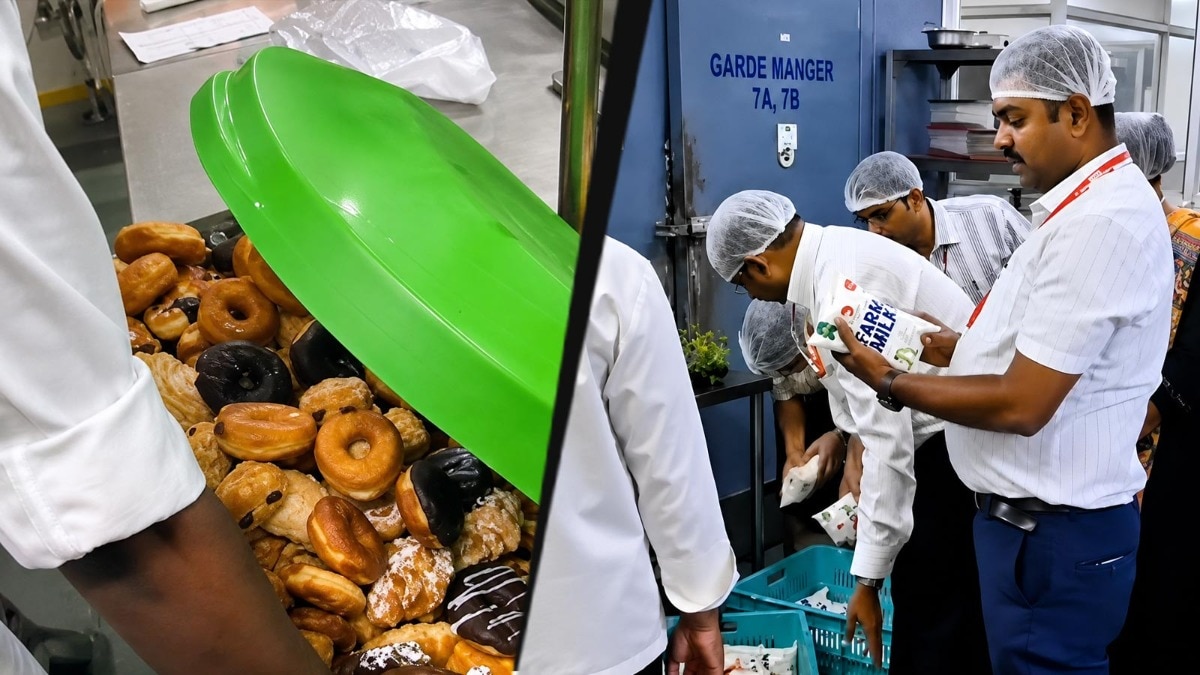
A recent health department inspection of several 5-star hotels in Bengaluru has uncovered severe hygiene violations. Inspectors discovered rotten vegetables and expired milk being stored in the kitchens, raising serious questions about food safety standards in luxury establishments.
Key Takeaways
- Health officials seized rotten vegetables and expired milk from multiple 5-star hotels.
- The raids expose a severe lapse in hygiene standards within Bengaluru's luxury hospitality sector.
- Legal notices have been issued to the managements of the offending hotels.
In a startling revelation that has shaken the trust of the city's elite, health department officials conducted surprise raids on several renowned 5-star hotels in Bengaluru. The operations, aimed at verifying food safety compliance, instead uncovered a disturbing reality behind the polished facades of these luxury establishments. The findings have sparked outrage among consumers and health activists alike.
Details of the Violations
During the intensive inspections, authorities found storerooms packed with decomposing vegetables that were allegedly intended for guest meals. Even more alarming was the discovery of cartons of expired milk and other dairy products stored in refrigerators. The presence of such hazardous materials in high-end kitchens highlights a glaring disconnect between the premium prices charged by these hotels and the actual quality of food safety measures they employ.
Historical Background
While Bengaluru is often hailed as the IT capital of India, its hospitality sector has faced intermittent scrutiny regarding food safety. Over the past decade, the Bruhat Bengaluru Mahanagara Palike (BBMP) has conducted numerous drives against unhygienic eateries. However, this recent crackdown on luxury hotels marks a significant escalation, suggesting that the issue of poor hygiene is not limited to street food but has permeated the upper echelons of the dining industry.
Why This Matters
BozokMedia analysis shows that this incident is a critical wake-up call for regulatory bodies. When luxury establishments, which are expected to set the benchmark for quality, fail basic hygiene checks, it points to a systemic failure in enforcement. Consumers pay a premium not just for the ambiance, but for the assurance of safety, a promise that has been blatantly broken here.
Food safety is non-negotiable; compromising on it for profit margins is a direct threat to public health.
| Expected Standards | Reality Found |
|---|---|
| Farm-fresh, organic produce | Rotten, pest-infested vegetables |
| Premium quality dairy | Expired milk and cream |
| Immaculate kitchen hygiene | Poor storage conditions |
Frequently Asked Questions
Q: How can I check if a hotel is FSSAI compliant?
A: Look for the FSSAI license number displayed in the restaurant or hotel premises; you can also verify it on the FSSAI website.
Q: What should I do if I find expired food at a restaurant?
A: Immediately report it to the hotel manager and file a complaint on the FSSAI consumer helpline or website for immediate action.