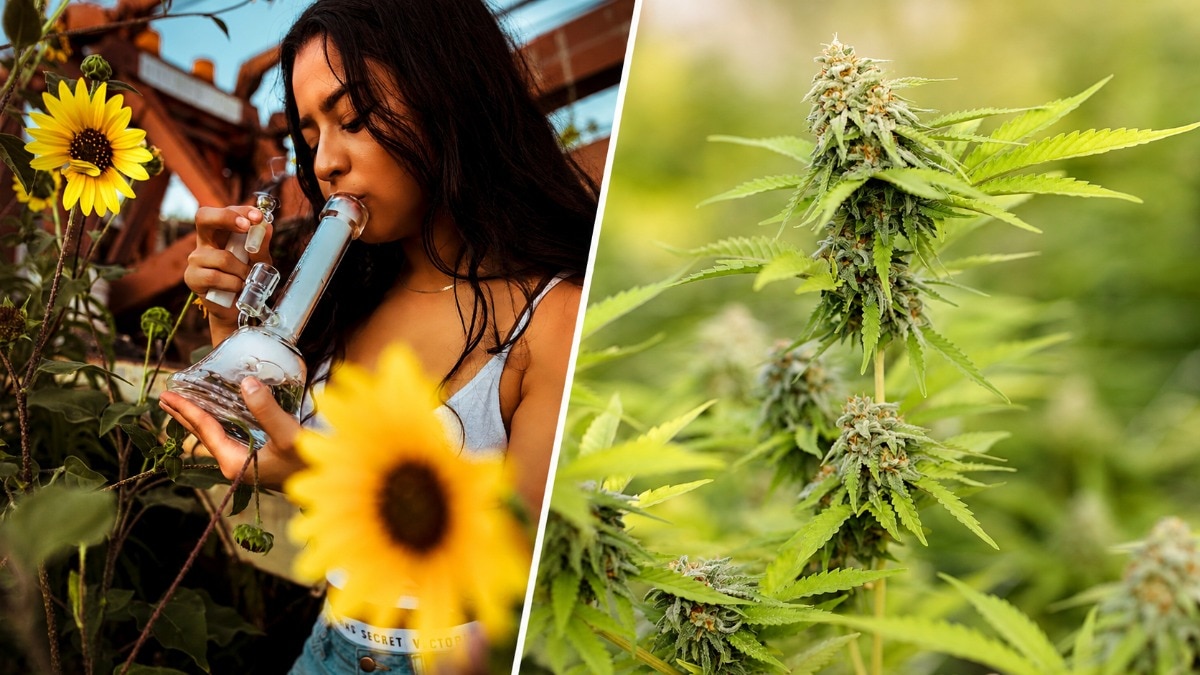
Gandaki Province in Nepal has approved medical cannabis cultivation, creating a new dynamic along the dry Indian state of Bihar. This unprecedented provincial move runs counter to Nepal's national drug laws.
Key Takeaways
- Gandaki becomes the first Nepalese province to legalize medical marijuana
- Licensed farmers must obtain permits and operate under strict government oversight
- The policy could influence Bihar's strict alcohol‑prohibition environment
Gandaki, home to the tourist hub Pokhara and famed trekking routes, passed a landmark bill authorizing the cultivation of cannabis for medical purposes. The provincial chief gave assent this week, making Gandaki the first region in Nepal to carve out an exception to the national prohibition.
Under Nepal’s national narcotics law, possession of marijuana can attract up to a month’s imprisonment, and trafficking can lead to ten years behind bars. Gandaki’s new framework mandates that only licensed growers, monitored closely by provincial authorities, may produce cannabis strictly for therapeutic use.
The legislation cleared unanimously in the provincial assembly, indicating rare cross‑party support. Given Bihar’s status as a dry state—where alcohol sales are banned—the ripple effects of this policy across the border are already a subject of speculation.
Historical Background
Cannabis has deep roots in Nepali cultural and religious practices, especially during Shivaratri festivals where devotees openly smoke the plant. Until the 1970s, cannabis trade was legal and widespread; the country later joined global efforts to criminalize it, curbing both local use and the influx of foreign hippies.
Why This Matters
BozokMedia analysis shows that Gandaki’s decision could provide new revenue streams for local farmers while helping to curb illicit cross‑border drug trafficking into India. The move also signals a shift toward evidence‑based health policy in a region traditionally governed by strict prohibition.
"Legalizing medical marijuana is a pivotal step for Nepal’s healthcare system," says Dr. Ritu Singh, public health expert.
Frequently Asked Questions
Question 1: Will cannabis cultivation be limited to medical purposes only?
Answer: Yes, only licensed growers can cultivate cannabis for therapeutic use, and all activities will be closely monitored.
Question 2: How might this affect Bihar’s dry‑state policies?
Answer: Experts suggest it could reduce illicit drug flow across the border, though social impacts remain to be seen.