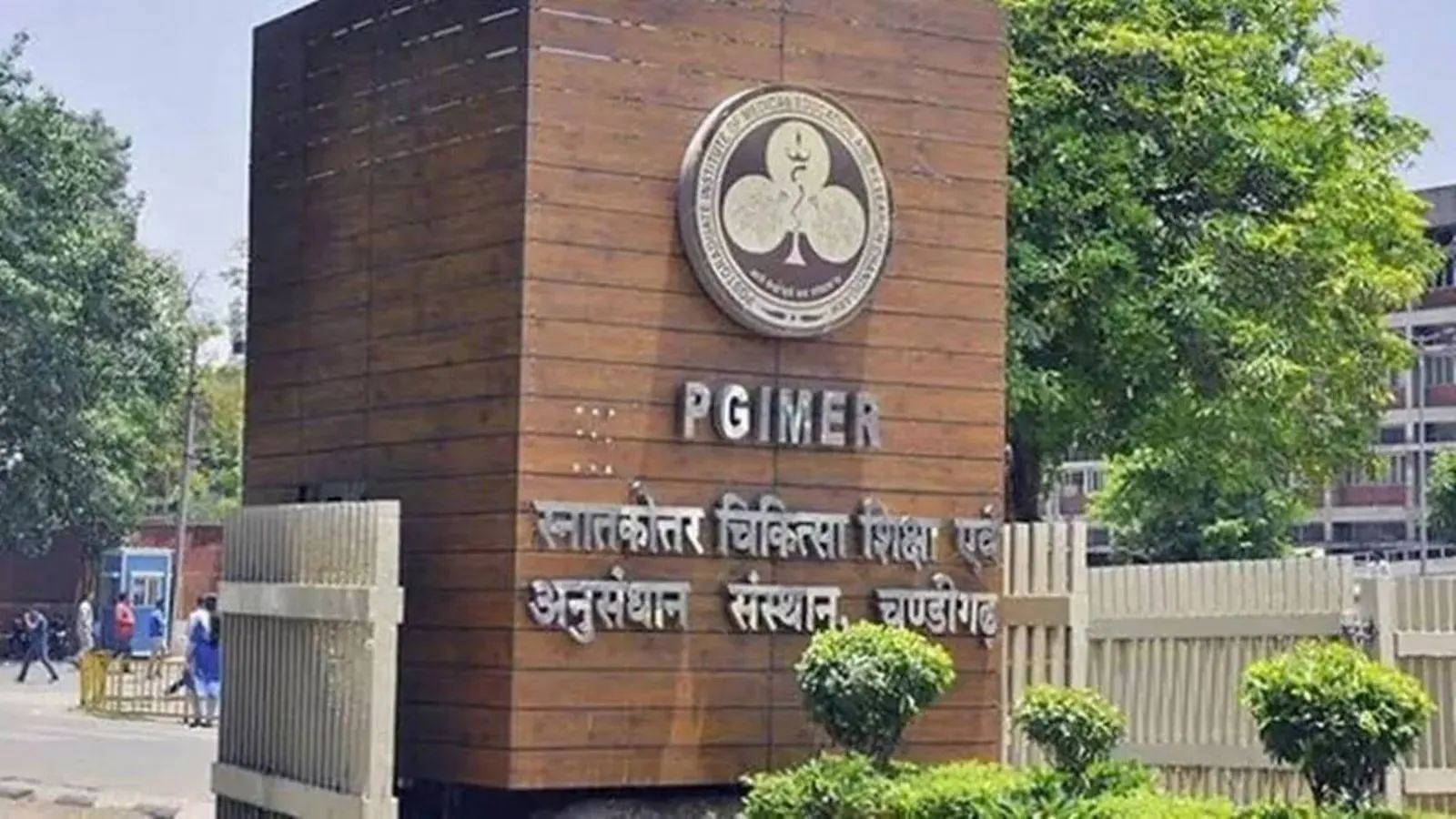
A dedicated cardiac triage unit at PGIMER, Chandigarh, has successfully managed 3,049 patients in less than five months, significantly reducing the burden on the main emergency department and improving specialized care access.
Key Takeaways
- PGIMER's cardiac triage unit treated 3,049 patients within five months of launch.
- 36.3% of patients were immediately moved to the Coronary Care Unit (CCU).
- The unit maintained an impressively low mortality rate of just 0.5%.
- The model is proposed for adoption in other high-volume tertiary-care hospitals.
The Postgraduate Institute of Medical Education and Research (PGIMER) has achieved a significant milestone with its dedicated cardiac triage unit. Since its launch on March 9 at the Advanced Cardiac Centre’s Heart Command, the unit has handled 3,049 patients, providing a streamlined pathway for those facing life-threatening cardiovascular emergencies.
The initiative was specifically designed to decouple cardiac emergencies from the general emergency workload at Nehru Hospital. By creating an independent cardiac emergency service, the team ensured that heart patients did not have to compete for attention with non-cardiac cases, thereby optimizing response times.
Patient Outcome Breakdown
Data compiled through July 29 reveals the efficiency of the specialized pathway. The triage process allowed for rapid stabilization and appropriate resource allocation:
| Patient Category | Number of Patients | Percentage (%) |
|---|---|---|
| Transferred to CCU | 1,108 | 36.3% |
| Stabilized & Discharged | 1,513 | 49.6% |
| Short-stay Admission | 30 | 1% |
| Redirected/Outpatient | 328 | ~10% |
Notably, despite a steady increase in patient footfall—from 100 patients per week in March to over 200 by July—the mortality rate remained remarkably low at 0.5%. The unit also successfully performed 26 primary percutaneous coronary intervention (PCI) procedures.
Why This Matters
BozokMedia analysis shows that as cardiovascular diseases rise globally, the pressure on public emergency departments becomes unsustainable. PGIMER's model addresses this by creating a 'specialized fast-track,' ensuring that critical cardiac interventions are not delayed by general hospital congestion.
Led by Professor of Cardiology Dr. Rajesh Vijayvergiya, this model serves as a vital blueprint for high-volume tertiary-care hospitals nationwide.
Historical Background
Traditionally, large government hospitals like PGIMER face immense pressure in their main emergency rooms. The separation of specialized emergency services, such as this cardiac triage unit, is a strategic evolution in managing complex patient flows in high-density medical environments.
Frequently Asked Questions
1. How does this unit help Nehru Hospital?
It reduces the overcrowding in the main emergency department by handling cardiac-specific cases independently.
2. What is the success rate of the unit?
The unit has shown high efficiency with a 0.5% mortality rate and a high percentage of same-day stabilization.