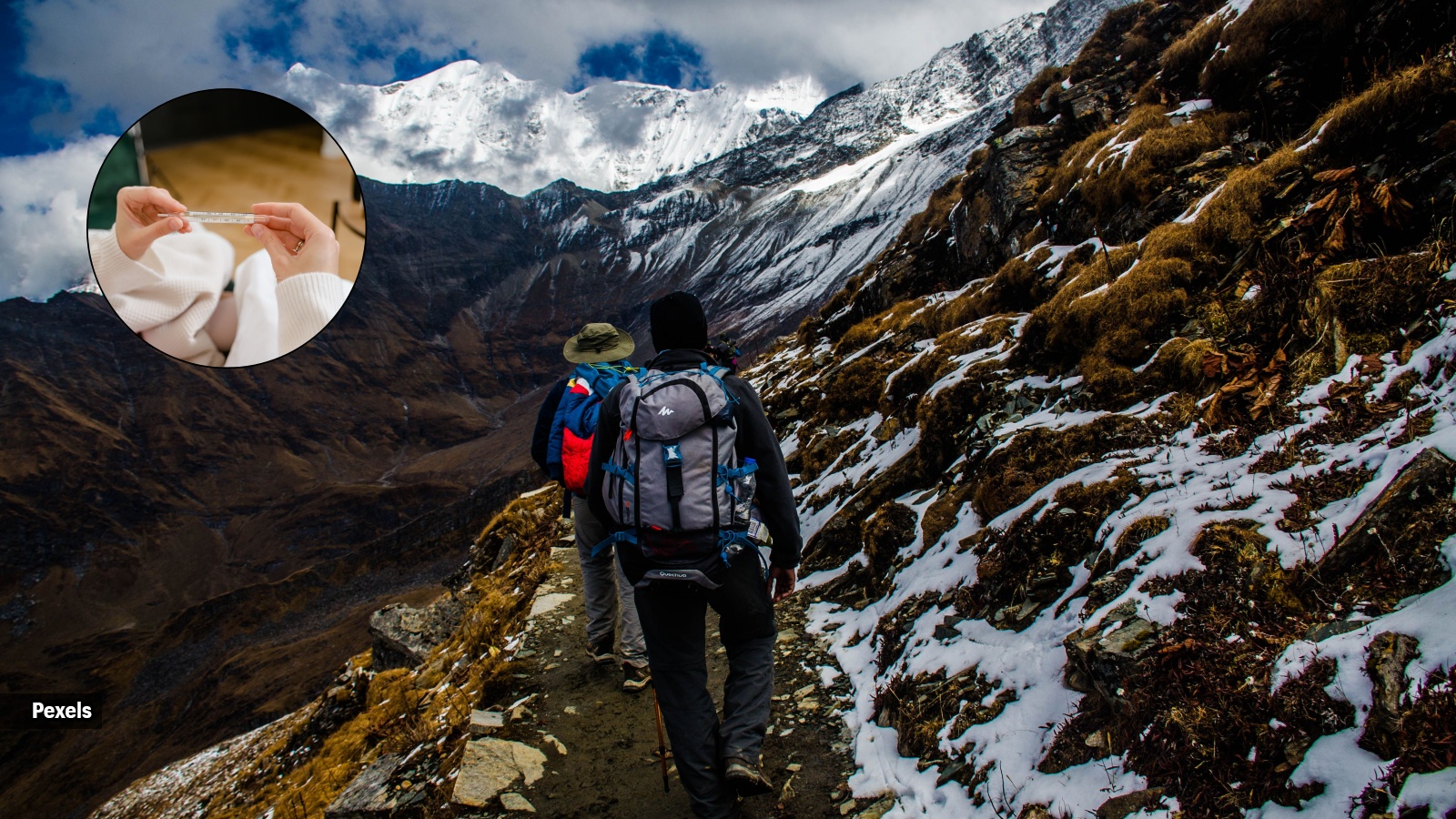
Did you return from a mountain adventure only to face sudden fever and fatigue? Discover why 'trek fever' happens and how to prevent delayed infections.
Key Takeaways
- Strenuous physical exertion can temporarily suppress the body's immune response.
- 'Trek fever' is often a combination of physical recovery and delayed infection onset.
- Dehydration and poor nutrition significantly increase vulnerability to illness.
- Seek medical help if fever exceeds 101°F or persists beyond 48 hours.
Imagine returning from a breathtaking trek, filled with incredible photos and memories. But instead of feeling accomplished, you are suddenly hit by fever, body aches, a sore throat, and extreme fatigue. You were perfectly fine while scaling mountains; so why does the illness strike only after you reach home?
The Science Behind 'Trek Fever'
This phenomenon is commonly referred to as "trek fever." While not a formal medical diagnosis, falling ill after intense physical activity is quite common. Dr. Manjusha Agarwal, Consultant-Internal Medicine at Gleneagles Hospital, Mumbai, explains that a strenuous trek acts as a major physical stressor. Symptoms often manifest only when the body begins its recovery phase.
Why This Matters
BozokMedia analysis shows that many adventurers overlook the physiological toll of high-altitude or high-intensity activities. Prolonged, high-intensity physical activity can temporarily reduce the body’s immune defenses, creating a window of opportunity for viruses or bacteria to take hold.
Prolonged high-intensity physical activity can temporarily reduce the body’s immune defences, making it easier for viruses or bacteria to cause infection.
Delayed Onset and Incubation Periods
It is not uncommon for symptoms to appear 2-3 days after the trip. This delay is often due to the incubation period of infections acquired through unsafe food, contaminated water, or mosquito bites during the journey. What feels like exhaustion might actually be a developing viral or water-borne illness.
| Symptom Type | Normal Post-Trek Fatigue | Potential Infection |
|---|---|---|
| Duration | Improves within 24-48 hours | Persists for days |
| Fever | Mild or absent | Exceeds 101°F or persistent |
| Severity | Muscle soreness | Vomiting, diarrhea, breathing issues |
When to Seek Medical Attention
While muscle soreness is normal, certain red flags should never be ignored. You should consult a doctor if your fever persists beyond 48 hours, exceeds 101°F, or is accompanied by chest pain, breathing difficulties, or severe vomiting.
Frequently Asked Questions
1. Is muscle soreness after trekking normal?
Yes, muscle fatigue and soreness are standard responses to strenuous activity and typically resolve with rest and nutrition.
2. How can I prevent getting sick after a trip?
Maintain strict hand hygiene, drink only safe water, use insect repellents, and ensure you are eating balanced meals throughout your journey.