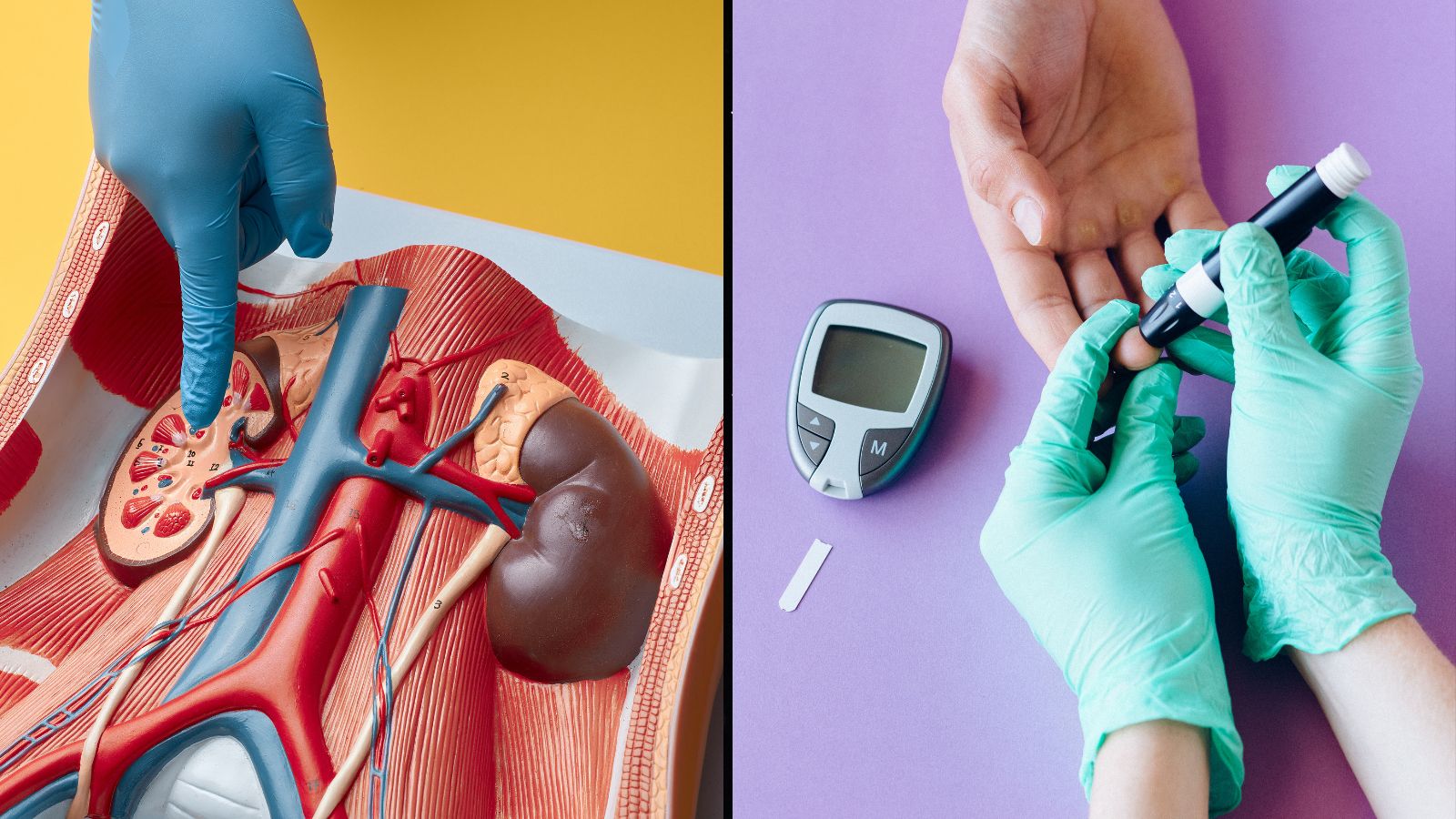
Kidneys do more than filter waste—they actively regulate blood glucose through reabsorption and gluconeogenesis. Early changes in kidney function can raise blood sugar and foster insulin resistance, making renal health a crucial component of metabolic wellness.
Key Takeaways
- Kidneys actively regulate blood glucose through reabsorption and gluconeogenesis.
- Early kidney dysfunction can raise blood sugar and promote insulin resistance.
- Lifestyle habits that protect kidneys also support stable blood sugar.
Historical Background
Historically, the kidney was viewed solely as a waste‑filtering organ. It wasn’t until the 1970s that researchers identified renal gluconeogenesis and the role of SGLT2 transporters, reshaping our understanding of metabolic regulation.
Kidneys Beyond Waste Filtration
While the pancreas often dominates discussions about blood sugar, the kidneys are equally vital. They reclaim filtered glucose via SGLT2 transporters and can generate glucose during fasting, a process known as renal gluconeogenesis.
How Kidney Function Influences Glucose Levels
Consultant dietician Kanikka Malhotra explains that subtle shifts in the kidney’s ability to reabsorb glucose or respond to insulin can nudge blood sugar upward even before chronic kidney disease is diagnosed.
Bidirectional Relationship Between Kidneys and Diabetes
Reduced renal efficiency prolongs insulin circulation, fostering insulin resistance. Conversely, high glucose loads can impair kidney filtration, creating a feedback loop that accelerates metabolic decline.
Why This Matters
BozokMedia analysis shows that public awareness of kidney‑blood‑sugar interplay remains low, yet protecting renal health offers a tangible lever to improve overall metabolic outcomes.
"Kidney health is a silent regulator of blood sugar; neglecting it can undermine diabetes management." – Dr. Ananya Singh, Nephrologist.
Frequently Asked Questions
- Can improving kidney function lower my blood sugar? Yes, interventions that enhance renal glucose handling—such as SGLT2 inhibitors or lifestyle changes—can modestly improve glycemic control.
- Do all diabetes medicines target the kidneys? No, only a specific class (SGLT2 inhibitors) directly acts on renal glucose reabsorption; other drugs focus on pancreas or insulin sensitivity.