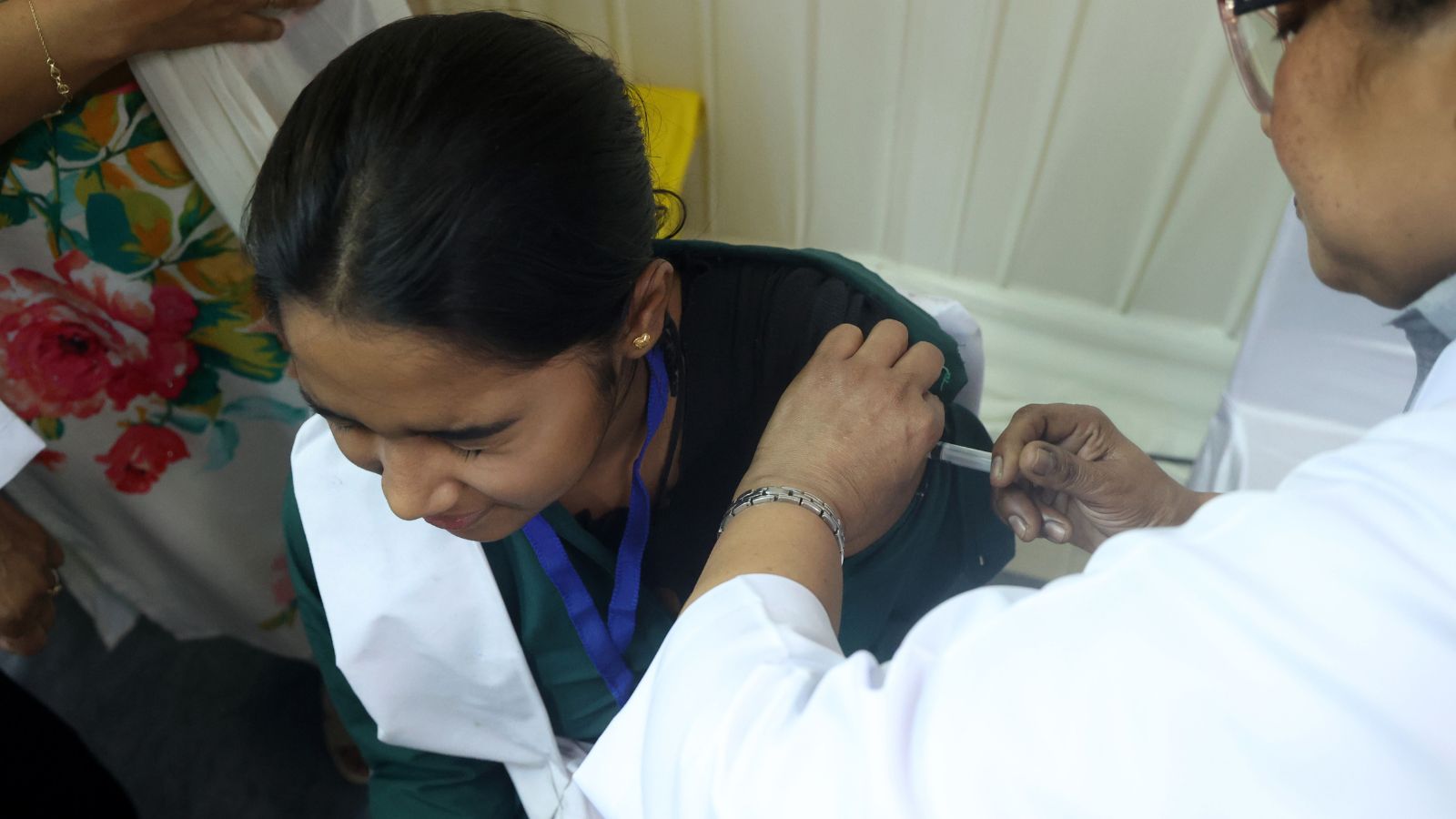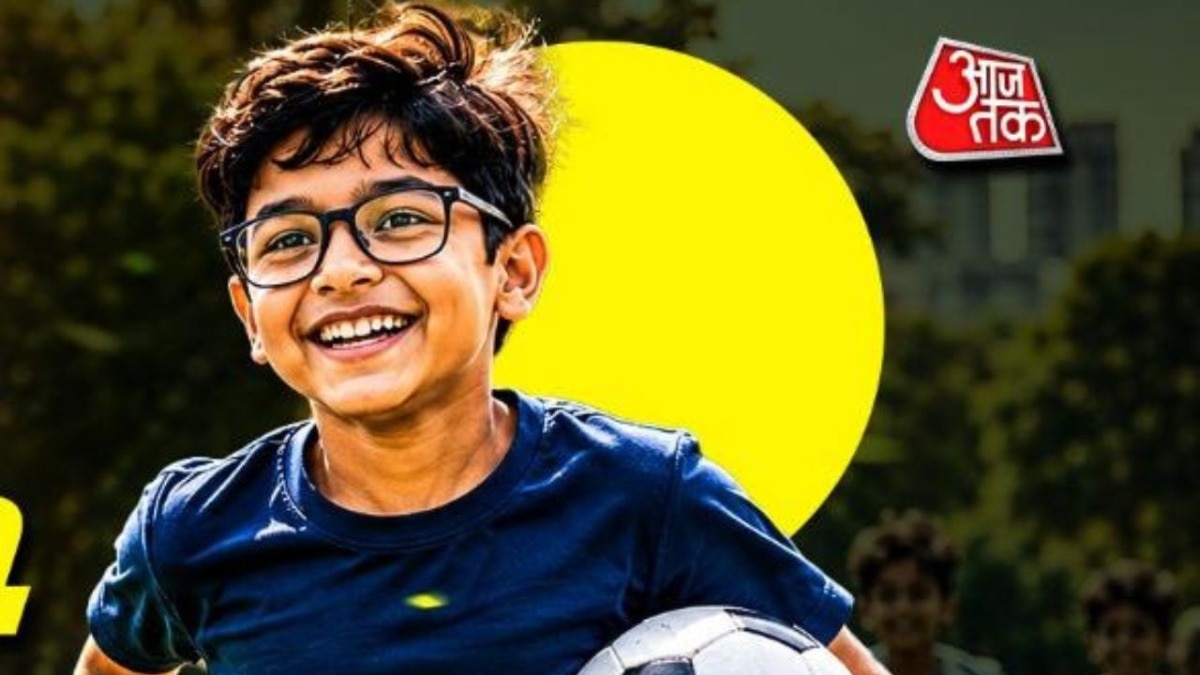
Myopia cases are surging among Indian children due to excessive screen time. Medical experts suggest that increasing outdoor activity is the most effective way to prevent permanent vision impairment.
- Myopia rates in urban Indian children have jumped from 4.4% in 1999 to over 21%.
- Excessive screen use and lack of outdoor play are the primary drivers of this epidemic.
- 1-2 hours of daily outdoor exposure can prevent abnormal eyeball elongation.
India is witnessing a silent epidemic of Myopia, a condition where distant objects appear blurry while near objects remain clear. This condition, commonly known as nearsightedness, is becoming increasingly prevalent among children. Dr. A.K. Grover from the Department of Ophthalmology at Sir Gangaram Hospital warns that lifestyle changes are urgently needed to protect the next generation's vision.
Understanding Myopia: The Science
Myopia occurs when the physical shape of the eye changes—specifically, the eyeball grows too long. Consequently, light entering the eye focuses in front of the retina instead of directly on it. This refractive error makes distant objects appear hazy, eventually necessitating the use of corrective lenses or glasses.
BozokMedia analysis shows that this is not merely a medical issue but a systemic failure of modern lifestyle habits. The shift from playgrounds to tablets and smartphones has created a 'visual vacuum' where children's eyes are rarely challenged to focus on distant horizons. This lack of visual diversity is fundamentally altering the biological development of the pediatric eye.
"Children who engage in outdoor activities have a significantly lower risk of myopia because natural light triggers chemical responses that regulate eye growth." - Dr. A.K. Grover
Alarming Statistics and Projections
Data from Pubmed highlights a staggering increase in myopia prevalence among urban children aged 5 to 15 in India. While the rate was roughly 4.4% in 1999, it has soared to over 21% recently. Experts predict that if current trends persist, between 23% and 50% of Indian children could be affected by 2050.
| Factor | Risk Increasing (Negative) | Preventive (Positive) |
|---|---|---|
| Activity | Constant Screen Time, Gaming | Outdoor Sports, Nature Walks |
| Environment | Enclosed Rooms, Artificial Light | Natural Sunlight Exposure |
| Focus Range | Fixed Near-Distance Focus | Dynamic Long-Distance Focus |
Actionable Tips for Parents
Dr. Grover emphasizes that simply restricting screens is not enough; children must be encouraged to actively engage with the outdoors. Spending 1 to 2 hours daily in natural light helps the eyes focus on objects at varying distances, reducing ocular strain and supporting healthy growth.
Frequently Asked Questions
Q1: Does wearing glasses make myopia worse?
A: No, glasses correct the vision and do not cause the disease to progress. However, lifestyle changes are needed to slow the progression.
Q2: How can we manage screen time effectively?
A: Follow the '20-20-20' rule: every 20 minutes, look at something 20 feet away for at least 20 seconds.