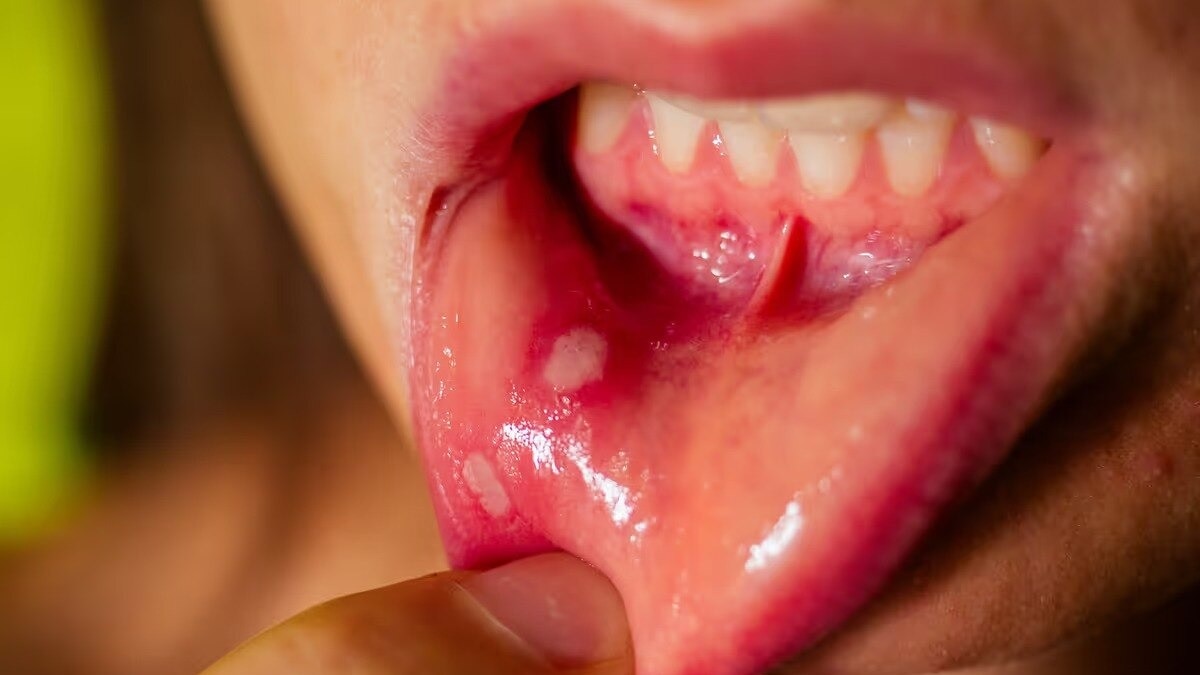
Show-cause notices to Bollywood stars over Vimal Elaichi ads have reignited the debate on surrogate branding. Beyond the legal row lies a critical health crisis: India's staggering burden of oral cancer driven by smokeless tobacco and areca nut.
- India accounts for 81% of oral cancer cases in the WHO South East Asia Region.
- Areca nut is classified as a Group 1 carcinogen, causing cancer even without tobacco.
- Surrogate advertising masks the promotion of harmful pan masala products.
- Genetic mutations in TP53 and CDKN2A genes drive the progression to malignancy.
The recent show-cause notices issued by the Maharashtra Food and Drug Administration (FDA) to Bollywood icons Shah Rukh Khan, Ajay Devgn, and Tiger Shroff regarding a Vimal Elaichi advertisement have thrust the issue of surrogate tobacco advertising back into the spotlight. While the ads ostensibly promote 'elaichi' (cardamom), the industry's intent is to maintain the visibility of brands deeply associated with pan masala and tobacco.
However, the implications extend far beyond marketing ethics. India faces one of the most severe oral cancer burdens globally. According to a 2026 analysis of GLOBOCAN 2022 data, India represents 81% of incident oral cancer cases in the WHO South East Asia Region, despite making up only 68% of the population. This puts India's incidence rate 33% higher than the regional average.
Why This Matters
BozokMedia analysis shows that the crisis is fueled by the widespread consumption of smokeless tobacco—such as gutka, khaini, and zarda—and areca nut (supari). Crucially, the International Agency for Research on Cancer (IARC) classifies areca nut as a Group 1 carcinogen. This means there is sufficient evidence that areca nut causes cancer independently, regardless of whether it is mixed with tobacco.
"When tobacco or areca nut products rest against the lining of the mouth, they deliver a cocktail of toxic chemicals that quietly damage the DNA inside the cells." - Dr. Sandeep Nayak, Chairman of Oncology, MACS Renova Oncology Institute.
The biological process is a gradual erosion of cellular health. Repeated exposure leads to oxidative stress and chronic inflammation. Over years, this results in mutations of critical protective genes like TP53 and CDKN2A. Doctors refer to this as 'field cancerization,' where the entire lining of the mouth becomes predisposed to malignancy, meaning cancer can emerge anywhere in the exposed region.
| User Category | Prevalence of Potentially Malignant Disorders (%) |
|---|---|
| Tobacco-only Users | 10.4% |
| Tobacco + Areca Nut Users | 16.3% |
Historically, the habit of chewing betel quid is deeply ingrained in South Asian culture. However, the industrialization of pan masala has increased the concentration of carcinogens. In 2022 alone, an estimated 143,759 new cases of lip and oral cavity cancer were recorded in India, a staggering number given that these cases are largely preventable through behavioral change.
Frequently Asked Questions
Q1: Can areca nut cause cancer even if it is tobacco-free?
Yes, areca nut is a Group 1 carcinogen on its own and can trigger oral submucous fibrosis and cancer without the presence of tobacco.
Q2: What is surrogate advertising?
It is a marketing tactic where a company promotes a legal product (like cardamom) to indirectly advertise a banned or restricted product (like pan masala) under the same brand name.