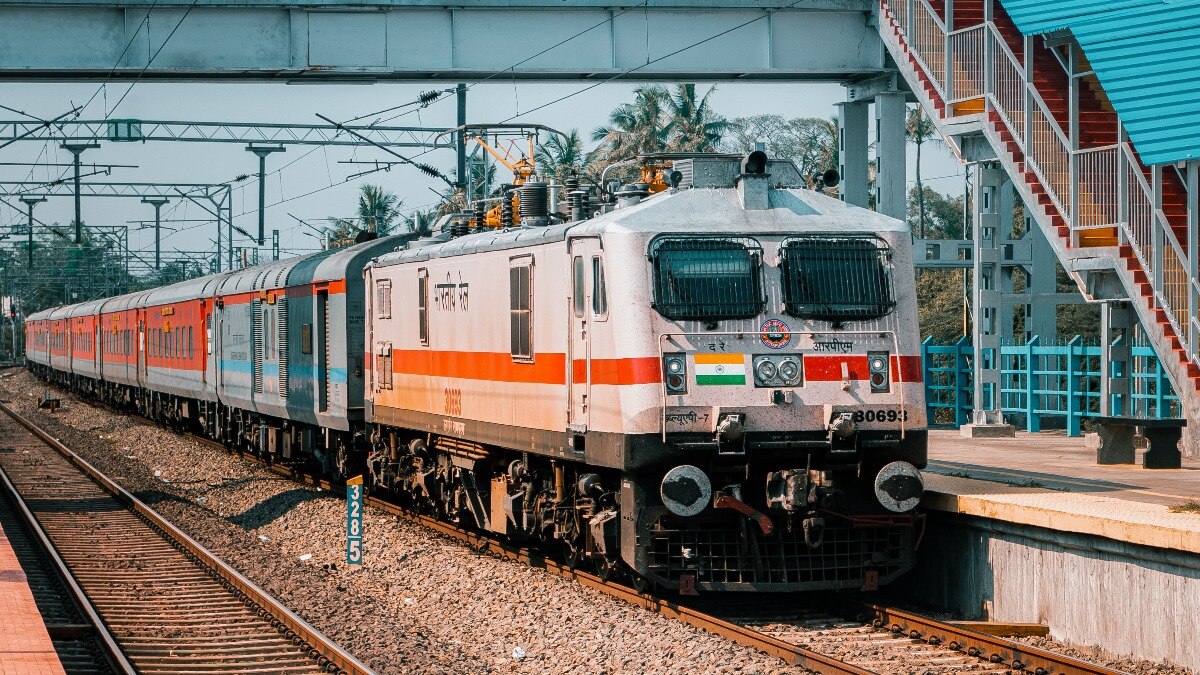
A CAG report reveals E. coli contamination in water coolers across eight major railway stations. This poses severe health risks, ranging from gastrointestinal distress to potential kidney failure.
- CAG report confirms E. coli presence in water samples at 8 stations across 4 railway zones.
- Contaminated water can lead to abdominal cramps, bloody diarrhea, and severe dehydration.
- In rare, severe cases, it can trigger Hemolytic Uremic Syndrome (HUS), leading to acute kidney failure.
A glass of drinking water may appear crystal clear, but invisible pathogens can pose a lethal threat. A recent report by the Comptroller and Auditor General of India (CAG) has sounded an alarm after E. coli bacteria were detected in water cooler samples at eight railway stations across four different railway zones. This audit, which spanned 512 non-suburban stations, highlights a critical failure in public health safety.
The affected locations include Coimbatore and Palakkad Junction (Southern Railway), Hyderabad (South Central Railway), CSMT, Bhiwandi Road, Kalyan, and Lonavala (Central Railway), and Madhupur (Eastern Railway). While most E. coli strains are harmless inhabitants of the gut, Shiga toxin-producing strains (STEC) can cause devastating intestinal infections.
What Happens Inside the Body After Consumption?
Upon ingestion, disease-causing E. coli enters the digestive tract. The impact varies based on the strain and the individual's health. According to the World Health Organization (WHO), the incubation period for STEC is typically three to eight days. This means a passenger might consume contaminated water today but only exhibit symptoms nearly a week later.
Waterborne E. coli is not merely a stomach bug; it is a systemic threat that can escalate from simple diarrhea to permanent organ damage if left untreated.
Why This Matters (BozokMedia Analysis)
BozokMedia analysis shows that this is a systemic failure of 'Minimum Essential Amenities.' The CAG found that 89% of the audited stations were deficient in basic passenger facilities. When water—the most basic human need—is compromised, it reflects a deeper negligence in the maintenance of railway infrastructure, putting millions of commuters at risk.
The progression of the illness often starts with severe diarrhea and vomiting, leading to rapid dehydration. In severe STEC infections, the bacteria damage the intestinal lining, resulting in hemorrhagic colitis (bloody stools). The most dreaded complication is Hemolytic Uremic Syndrome (HUS), characterized by the destruction of red blood cells and acute kidney injury.
| Severity Level | Common E. coli Effect | STEC (Shiga Toxin) Effect |
|---|---|---|
| Digestive Impact | Mild diarrhea/stomach ache | Severe cramps and bloody stools |
| Critical Risk | Rapid recovery | Potential Kidney Failure (HUS) |
| Vulnerable Groups | General population | Children under 5 and elderly |
Frequently Asked Questions
Q1: Is all railway station water contaminated?
No, the CAG report specifically identified samples from eight stations, but it suggests a need for a nationwide audit of water quality.
Q2: What are the red flags that require immediate medical attention?
Bloody stools, extreme lethargy, decreased urine output, and high fever after traveling are critical signs that require an immediate hospital visit.