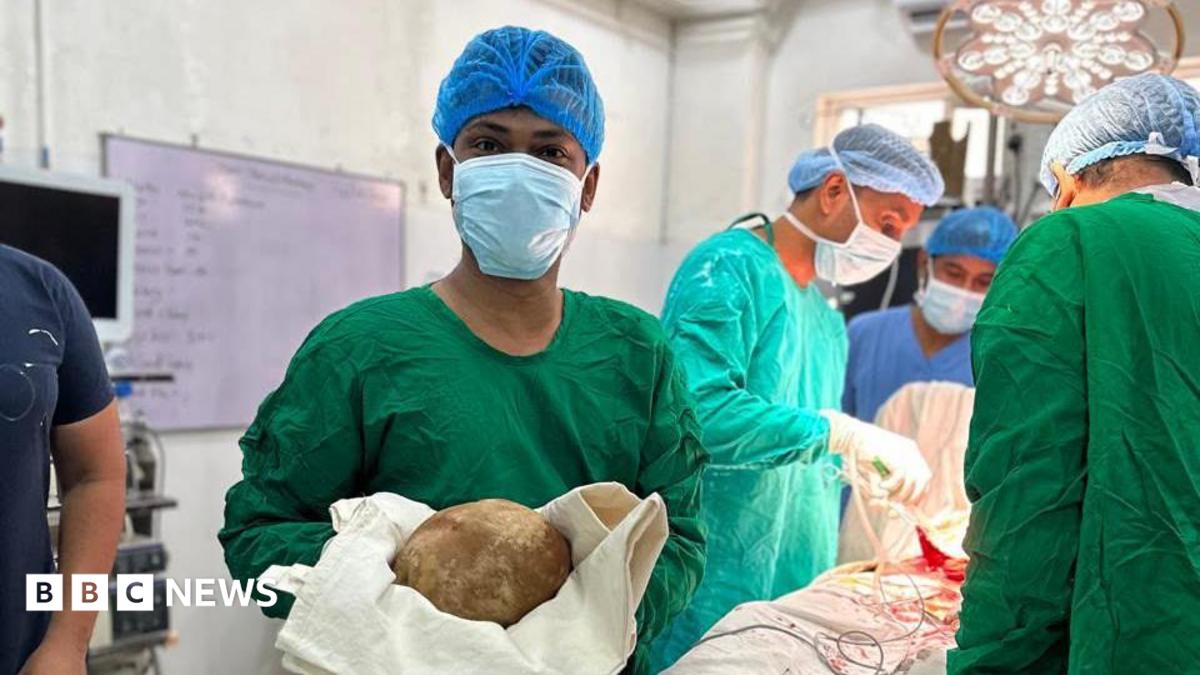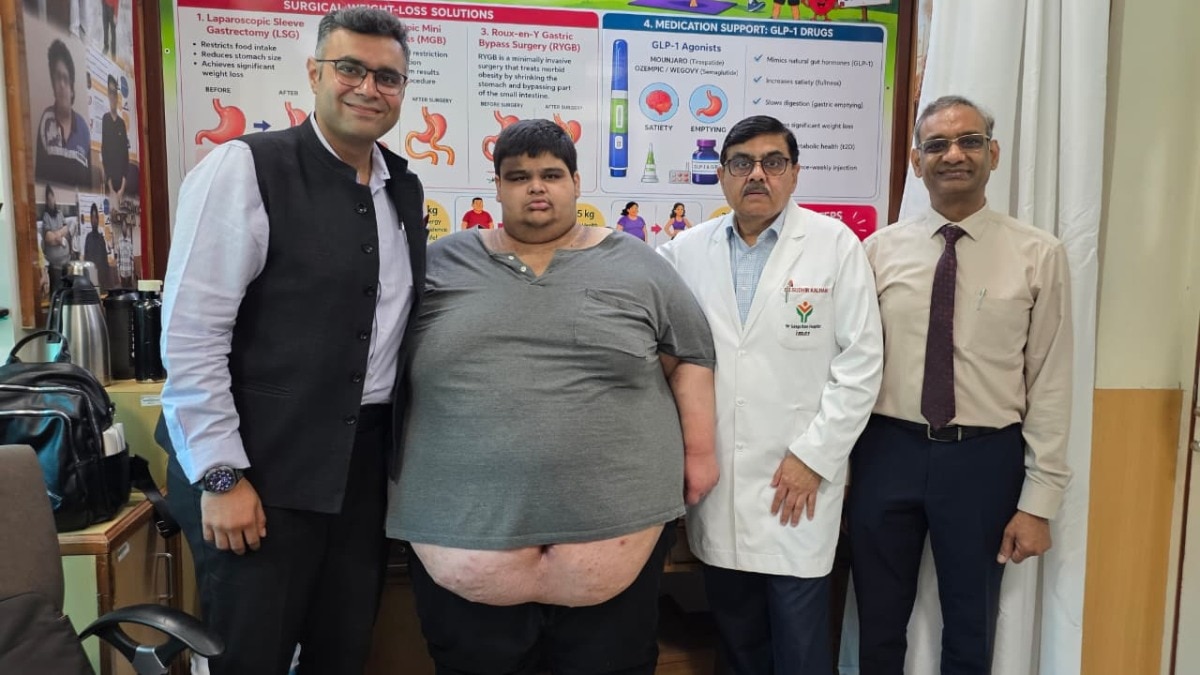
A 16-year-old Delhi teenager weighing 275kg was saved by a 20-member medical team at Sir Gangaram Hospital. Following a complex bariatric surgery, he has lost 50kg in just two months.
- A 16-year-old boy weighing 275kg had to be transported to the hospital via a Matador vehicle.
- A 20-member specialist team performed a Laparoscopic Sleeve Gastrectomy.
- The patient's weight dropped from 275kg to 223kg within two months.
- Comorbidities included Type-2 Diabetes, High BP, and Obstructive Sleep Apnea.
In a harrowing case of extreme adolescent obesity, a 16-year-old boy from Delhi reached a staggering weight of 275 kilograms. His condition had deteriorated to the point where he suffered from severe respiratory distress and widespread skin infections. Due to his immense size, standard vehicles were insufficient, and he had to be transported to Sir Gangaram Hospital in a Matador (commercial transport vehicle).
Upon arrival, the patient was immediately admitted to the Pediatric Intensive Care Unit (PICU). With a BMI of approximately 100, the teenager was battling a cocktail of life-threatening conditions, including obstructive sleep apnea, fatty liver, hypertension, and diabetes, making any medical intervention high-risk.
The Surgical Intervention and Complexity
Recognizing the gravity of the situation, a multidisciplinary team of 20 doctors—including experts in anesthesia, cardiology, and laparoscopic surgery—was assembled. After a rigorous risk assessment, they decided to proceed with a Laparoscopic Sleeve Gastrectomy. This procedure involves removing a significant portion of the stomach to create a narrow tube or 'sleeve,' which limits food intake and promotes weight loss.
"This was no ordinary bariatric operation; the patient's age and severe sleep apnea required every step to be meticulously planned." - Dr. Daksh Sethi, Lead Bariatric Surgeon.
Why This Matters
BozokMedia analysis shows that the rise of morbid obesity in teenagers is becoming a global public health crisis. This case highlights the critical intersection of metabolic health and psychological well-being. When lifestyle modifications fail in extreme cases, surgical intervention becomes a vital tool not just for weight loss, but for systemic organ survival.
The recovery process was remarkably swift, with the patient being discharged just three days after the surgery. Within two months, his weight plummeted by 50kg, bringing him down to 223kg. Medical professionals emphasize that the true metric of success will be the improvement in his respiratory function, sleep quality, and overall mobility.
| Parameter | Pre-Surgery | 2 Months Post-Surgery |
|---|---|---|
| Total Weight | 275 kg | 223 kg |
| Health Status | Critical Respiratory Distress | Stable Recovery |
| Mobility | Near-Zero (Required Matador) | Significantly Improved |
Frequently Asked Questions
1. What is Laparoscopic Sleeve Gastrectomy?
It is a weight-loss surgery where a large portion of the stomach is surgically removed, reducing its capacity and suppressing hunger hormones.
2. When should parental concern about a child's weight be escalated?
If a child avoids physical activity, snores loudly, experiences shortness of breath, or shows rapid weight gain, immediate medical consultation is advised.