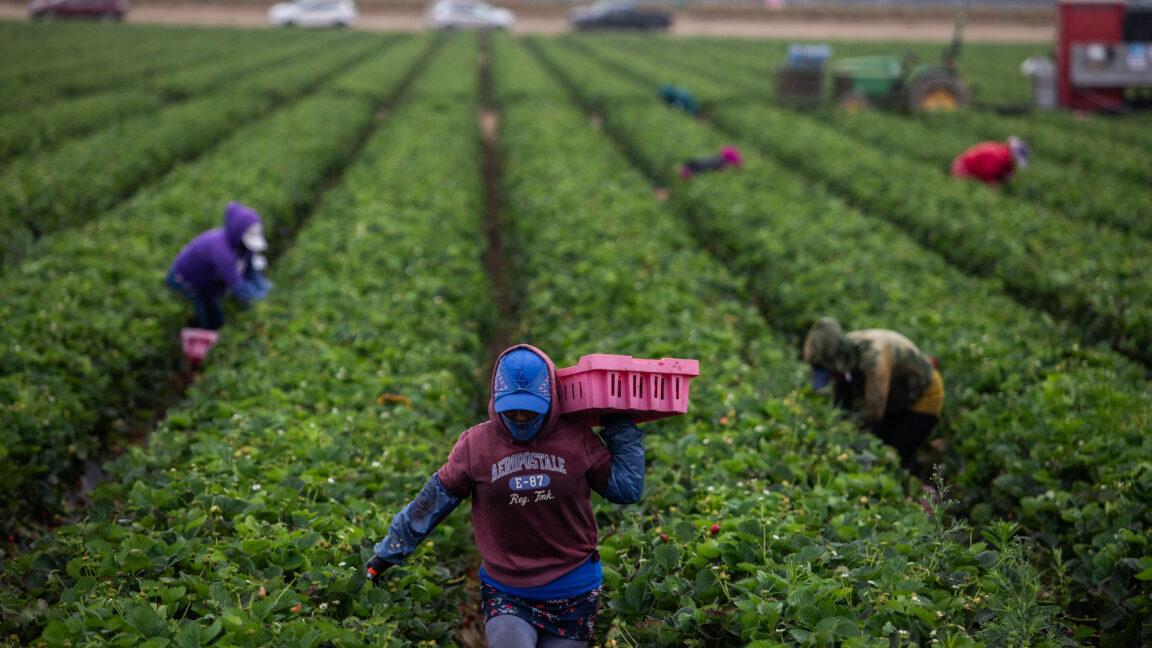
New research warns that climate change is intensifying the toxicity of pesticides, creating a lethal combination of heat stress and chemical exposure for millions of agricultural workers.
- Rising heat increases the body's vulnerability to toxic chemical absorption.
- Higher temperatures accelerate pesticide evaporation, increasing inhalation risks.
- Heat can chemically transform pesticides into more potent, toxic compounds.
For the nation’s 2.4 million farmworkers, the escalating climate crisis is no longer a distant threat—it is a direct biological hazard. A growing body of scientific research reveals that rising global temperatures are significantly amplifying the dangers posed by pesticide exposure.
As temperatures climb, the human body undergoes intense heat stress, making it far more susceptible to pesticides and other environmental toxicants. Compounding this issue is the protective gear worn by workers; while designed to prevent contact, these heavy garments often trap heat, exacerbating physiological stress and making workers even more vulnerable.
Chemical Volatility and Inhalation Risks
The danger is not just skin-deep. Hotter weather leads to higher evaporation rates, meaning more pesticides transition from a liquid state to a gaseous state in the air. This increases the concentration of airborne chemicals that workers inadvertently inhale. Furthermore, extreme heat can catalyze chemical transformations, turning relatively stable pesticides into much more toxic compounds.
"When it’s in the air, you are inhaling it through your nose. Your skin can absorb some of the pesticides... and when you’re sweating, you are increasing the pore size of your skin. It is awful." — Omanjana Goswami, Scientist at Union for Concerned Scientists.
Why This Matters
BozokMedia analysis shows that this intersection of climate change and chemical exposure represents a systemic failure in occupational safety. As the planet warms, the traditional methods of protecting agricultural labor are becoming obsolete, threatening both human lives and the stability of the global food supply chain.
The synergy between heat and toxicity creates a feedback loop that is difficult to mitigate without fundamental changes in how agricultural chemicals are managed and how labor is protected during extreme weather events.
Frequently Asked Questions
Question 1: How does heat change pesticides?
Answer: Heat can cause pesticides to evaporate faster and can even trigger chemical reactions that make the substances more toxic.
Question 2: Why is protective clothing a concern in heatwaves?
Answer: While necessary for chemical protection, heavy gear can cause dangerous levels of heat stress in high temperatures.