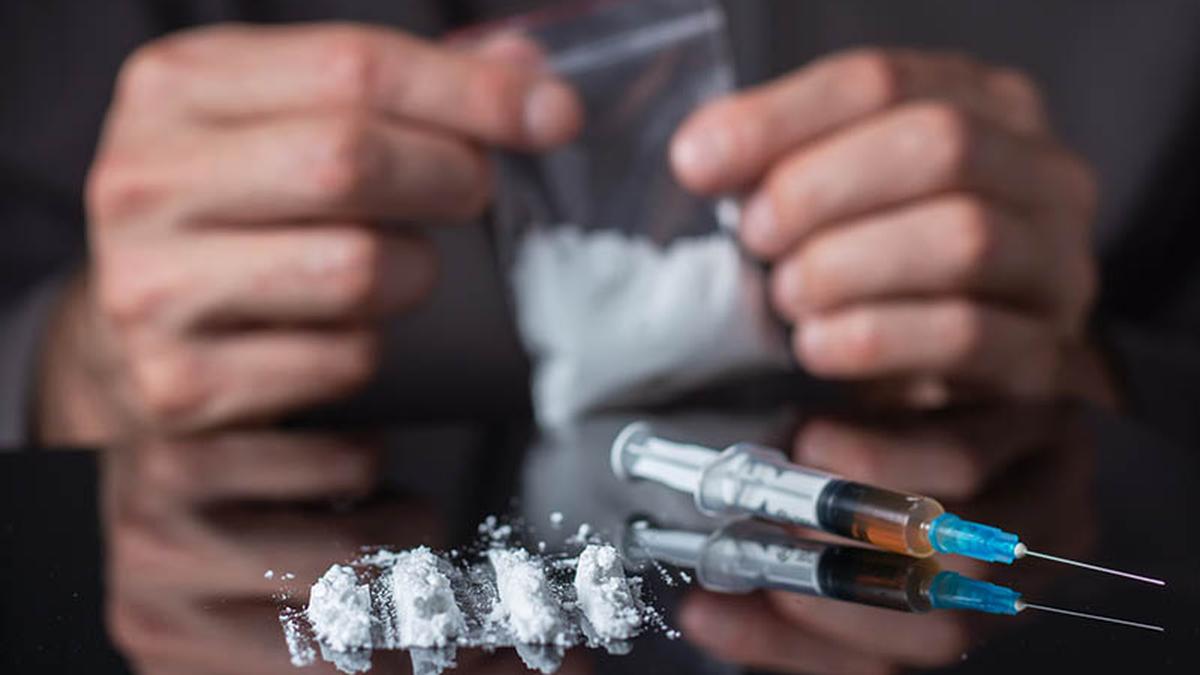
While doping is primarily viewed as a breach of sports integrity, its most devastating impact lies in the severe, life-threatening health consequences for athletes.
- The Athlete Biological Passport (ABP) provides advanced longitudinal monitoring to detect doping.
- Performance-enhancing substances like steroids and peptide hormones pose extreme risks to cardiovascular and organ health.
- Doping is a multi-faceted violation including possession, trafficking, and evasion of tests.
In the pursuit of athletic excellence, the line between natural training and chemical enhancement has become dangerously blurred. Doping is strictly prohibited to uphold the integrity of sports and ensure a level playing field. However, beyond the ethical debate of fair play, there exists a much more personal and terrifying reality: the catastrophic impact of prohibited substances on the human body.
The Evolution of Detection: The Athlete Biological Passport (ABP)
A significant milestone in anti-doping efforts was achieved on December 6, 2024, when the National Dope Testing Laboratory received approval from the World Anti-Doping Agency (WADA) to manage the Athlete Biological Passport (ABP). Unlike traditional testing that looks for specific substances, the ABP monitors biological markers over time. By analyzing haematological, endocrine, and steroidal profiles, it provides indirect evidence of doping, making it much harder for athletes to evade detection.
Why This Matters
BozokMedia analysis shows that as doping techniques become more sophisticated, detection methods must evolve from reactive to proactive. The implementation of the ABP represents a shift toward biological profiling, which is essential for catching sophisticated dopers who use micro-dosing techniques to mask their presence.
Doping is not just a shortcut to a podium; it is a high-stakes gamble with one's own physiological survival.
The Lethal Spectrum of Performance-Enhancing Drugs
The substances used in doping are categorized by WADA based on when they are banned, but their health risks remain constant. The physiological damage varies depending on the substance used:
| Substance Category | Primary Use | Major Health Risks |
|---|---|---|
| Anabolic Agents | Muscle growth & recovery | Heart attacks, liver damage, infertility |
| Peptide Hormones | Oxygen delivery/Endurance | Blood clots, stroke, increased cancer risk |
| Beta-2 Agonists | Respiratory efficiency | Tremors, palpitations, heart rhythm issues |
| Diuretics | Weight loss/Masking agents | Dehydration, electrolyte imbalance |
For instance, Anabolic Agents like testosterone mimic natural hormones to accelerate muscle protein synthesis. While they offer strength, they can lead to severe psychiatric disorders, including aggression and depression, alongside physical damage to tendons and cardiovascular systems. Similarly, Erythropoietin (EPO) increases red blood cell production to boost endurance, but this thickening of the blood significantly increases the risk of strokes and heart attacks.
Historical Context of Doping
The use of stimulants to gain an advantage is not a modern phenomenon. It dates back to Ancient Greece, where herbal stimulants were consumed by competitors. By the late 19th century, the era of modern pharmacology introduced more dangerous substances like cocaine. The mid-20th century marked the rise of anabolic steroids, moving the issue from herbal aids to complex chemical manipulation.
Frequently Asked Questions
1. What constitutes a doping violation under NADA rules?
Violations include the use of prohibited substances, presence of metabolites, evasion of testing, and even complicity in helping others dope.
2. Can the ABP detect doping even if the drug is no longer in the system?
Yes, the ABP detects the *effects* of the drug on the body's biological markers, even if the substance itself has cleared the bloodstream.