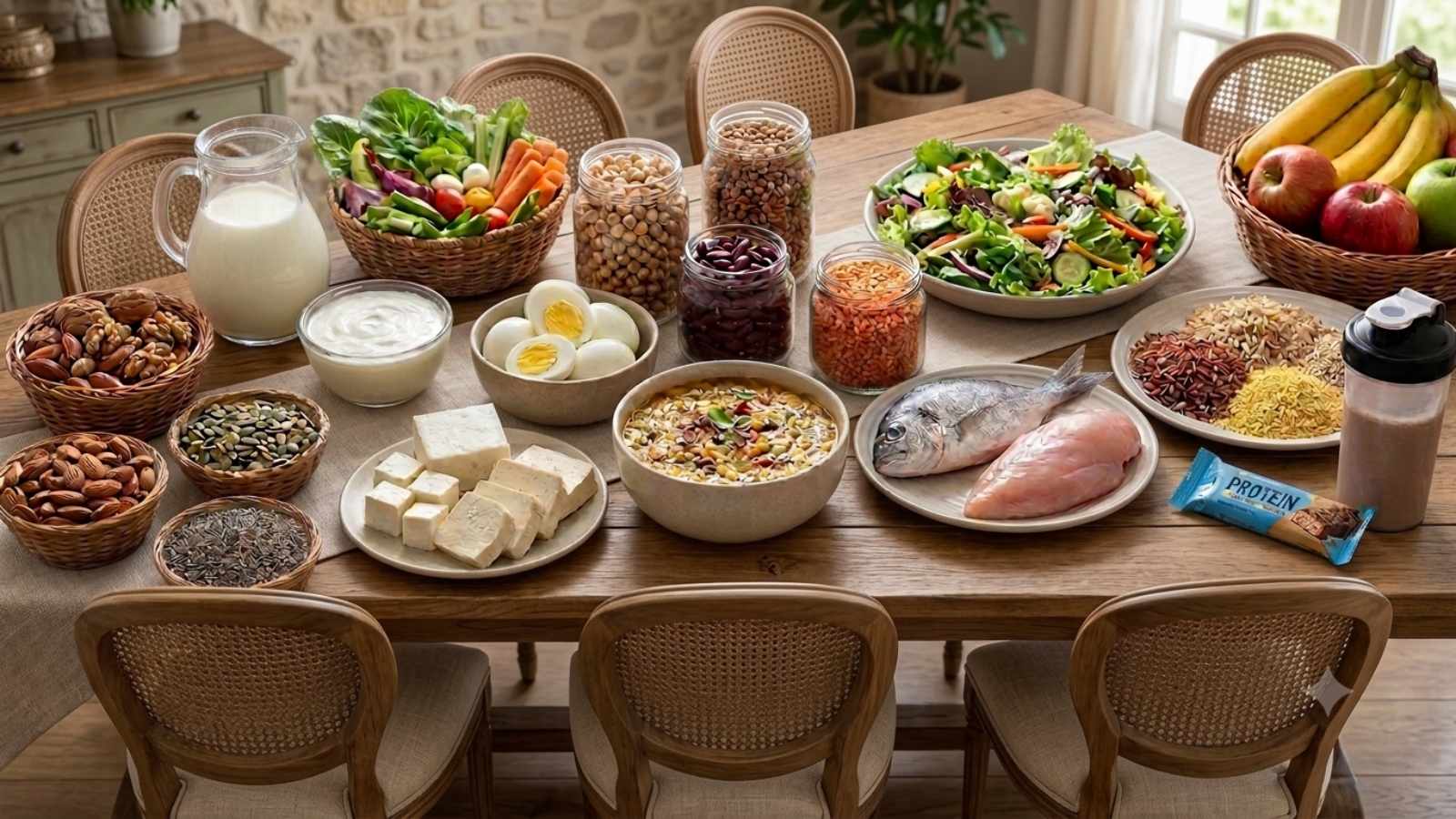
While protein is essential for health, many people consume it incorrectly. Learn how to balance your intake and avoid common nutritional pitfalls.
- Protein needs are highly individual, based on age, weight, and activity levels.
- Focus on dietary variety rather than just hitting a single protein number.
- Distribute protein intake throughout the day instead of consuming it in one large meal.
Protein has transitioned from a niche topic in fitness circles to a mainstream dietary obsession. With the explosion of protein bars, ready-to-drink shakes, and fortified cereals, consumers are increasingly conscious of their protein targets. However, in this pursuit of muscle and health, many are overlooking a fundamental truth: nutrition is about balance, not just macros.
The Myth of the Universal Protein Target
One of the most pervasive errors in modern nutrition is the assumption that a single protein number applies to everyone. Requirements are deeply personal. A sedentary adult may only need 0.8g of protein per kg of body weight, whereas an athlete or an elderly individual facing 'anabolic resistance' may require significantly more to maintain muscle mass. Following generic advice from social media influencers can lead to nutritional imbalances.
Why This Matters
BozokMedia analysis shows that the trend toward 'ultra-high protein' diets often ignores the presence of hidden additives. Consuming excess protein without adjusting total calorie intake can lead to unintended weight gain and metabolic stress.
A healthy diet is defined by the quality of total nutrients—fats, fibers, and vitamins—not just the protein count on a label.
The Pitfalls of Convenience Foods
Many consumers rely heavily on ultra-processed 'high protein' snacks. While convenient, these products often come with a hidden cost: high levels of sodium, saturated fats, and added sugars. Label reading is crucial; a product labeled 'high protein' may actually be a highly processed food that lacks the micronutrient density found in whole foods like lentils, eggs, or poultry.
Historical Context of Nutrition
Historically, dietary guidelines focused on preventing deficiencies. In the modern era, the focus has shifted toward optimizing performance and longevity. This shift has led to a massive commercialization of protein, making it essential for consumers to distinguish between nutritional necessity and marketing hype.
| Source Type | Examples | Pros & Cons |
|---|---|---|
| Whole Foods | Eggs, Beans, Fish, Paneer | High nutrient density; requires preparation. |
| Processed Protein | Protein Bars, Shakes | Convenient; may contain additives/sugar. |
| Plant-Based | Tofu, Lentils, Soy | High fiber; requires careful amino acid pairing. |
Frequently Asked Questions
1. Is it better to eat all my protein at dinner?
No, it is far more effective to distribute protein across breakfast, lunch, and dinner to support muscle protein synthesis throughout the day.
2. Can too much protein be harmful?
Excess protein adds extra calories. If these aren't managed, it can lead to weight gain and unnecessary caloric surplus.


