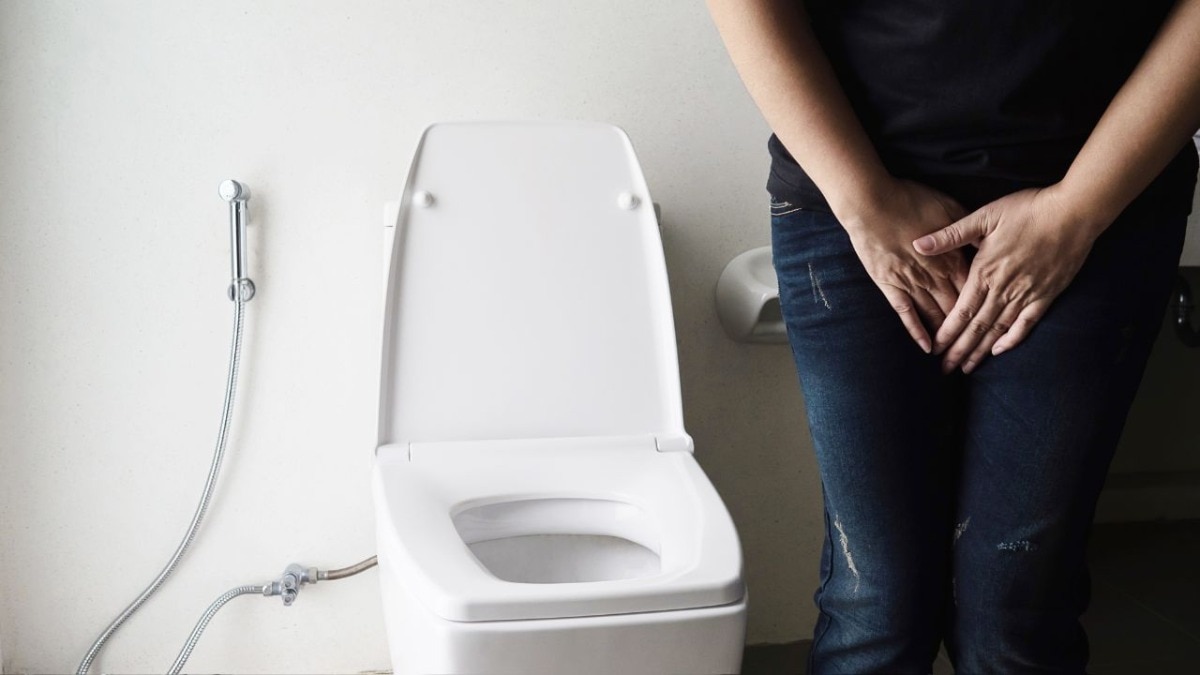
Do you habitually delay bathroom breaks? Learn why doctors warn that frequent urine retention can lead to serious bladder and kidney issues.
- Frequent urine retention can impair normal bladder function over time.
- It significantly increases the risk of Urinary Tract Infections (UTIs).
- Untreated infections can potentially ascend and damage the kidneys.
In the hustle of modern life—whether stuck in a meeting, commuting in heavy traffic, or unable to find a clean restroom—many people develop the habit of holding their urine. While an occasional delay is generally harmless for a healthy individual, making this a regular habit can lead to significant physiological complications.
How the Bladder Functions
The bladder is a muscular organ designed to store urine. As it fills, it sends neurological signals to the brain, creating the urge to urinate. When these signals are repeatedly ignored, the communication between the bladder and the brain can become desensitized, potentially leading to long-term bladder dysfunction.
Why This Matters
BozokMedia analysis shows that many lifestyle-related health issues stem from ignoring the body's immediate biological signals. Habitual urine retention is a prime example of how a seemingly minor behavior can escalate into a clinical problem involving the entire urinary system.
Habitual and prolonged urine retention can affect the urinary system in the long term.
According to Dr. Umesh Gupta, Director and HOD of Nephrology at Aakash Healthcare, the primary concern is not the occasional delay but the chronic pattern of retention that stresses the urinary tract.
The Link Between Retention and UTI
One of the most immediate risks is a Urinary Tract Infection (UTI). Urination serves as a natural flushing mechanism that expels bacteria from the body. When urine remains stagnant in the bladder for extended periods, bacteria have an ideal environment to multiply. If left unchecked, these bacteria can travel upward through the ureters, leading to a much more serious kidney infection.
Warning Signs to Watch For
It is crucial to recognize when a simple habit has turned into a medical issue. Seek professional medical advice if you experience:
- Burning sensations or pain during urination.
- The presence of blood in the urine.
- Persistent pain in the lower abdomen or lower back.
- Fever accompanied by urinary discomfort.
| Frequency | Impact Level | Potential Consequences |
|---|---|---|
| Occasional | Low | Minimal to no impact on healthy individuals. |
| Habitual | High | UTIs, bladder dysfunction, and potential kidney damage. |
Frequently Asked Questions
1. Can holding urine cause kidney stones?
While not a direct cause, the infections and bladder issues resulting from retention can contribute to overall urinary tract complications.
2. Who is at the highest risk?
Individuals with pre-existing bladder or urinary tract conditions are at a much higher risk of complications.