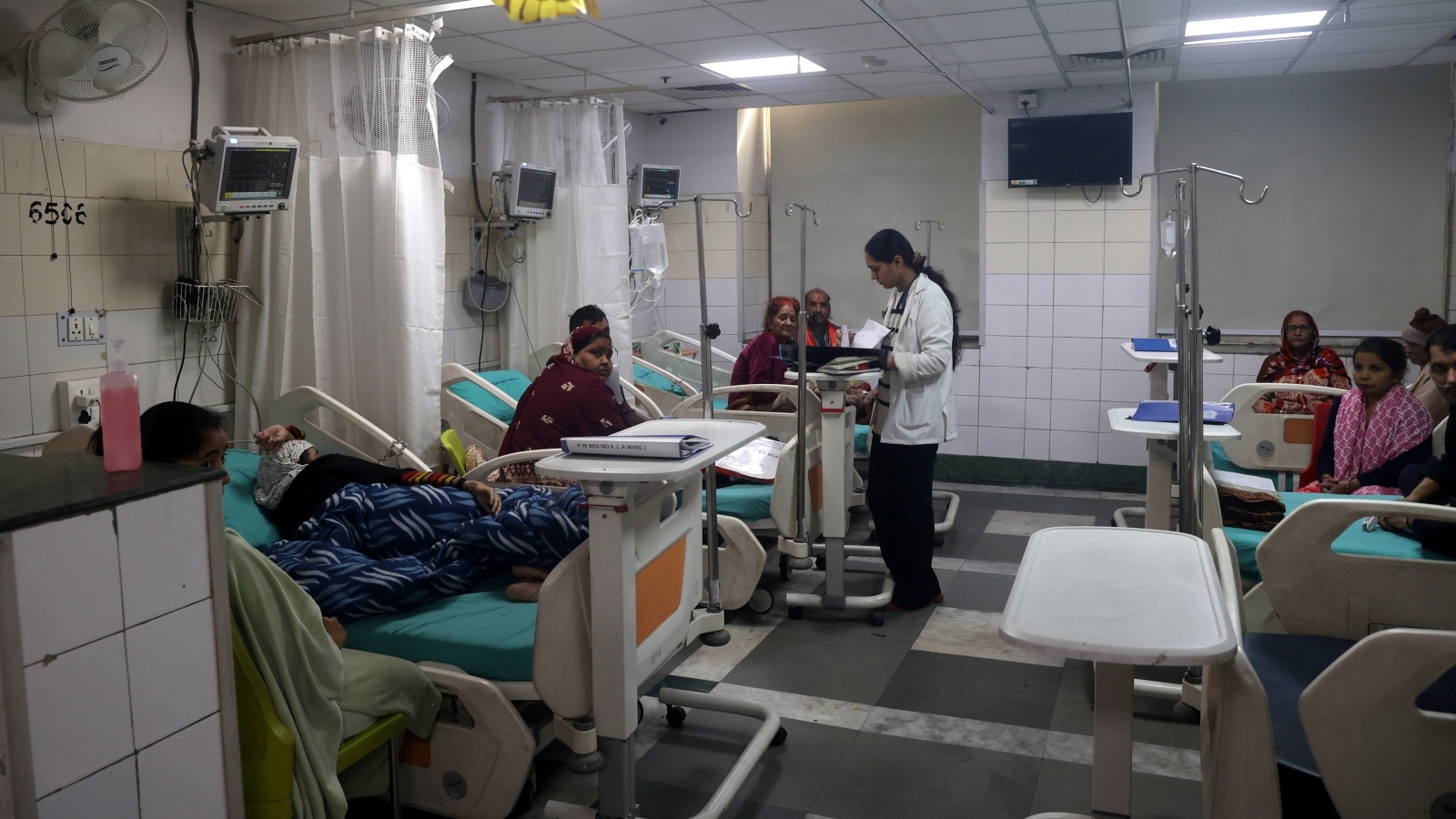
The proposed Maharashtra Clinical Establishments Bill aims to modernize healthcare regulation but faces criticism for lacking price controls and robust patient grievance mechanisms. Explore how this affects your emergency care and hospital bills.
- The Bill covers hospitals, clinics, labs, and diagnostic centers across all medical systems.
- Mandatory registration is required, with permanent registration valid for five years.
- Emergency care must be provided without upfront deposits under 'Golden Hour' protocols.
- Hospitals must display rates in Marathi, Hindi, and English, but prices are not regulated.
The Government of Maharashtra has introduced the Maharashtra Clinical Establishments (Registration and Regulation) Bill, 2026, a landmark legislative move intended to replace the outdated 77-year-old Nursing Homes Registration Act of 1949. The bill seeks to bring hospitals, nursing homes, clinics, and diagnostic laboratories under a unified regulatory framework.
Under the proposed law, registration will be mandatory for all healthcare providers, including those practicing Allopathy, Ayurveda, Homoeopathy, Siddha, and Unani. The bill also encompasses diagnostic services such as X-rays, CT scans, MRI, and PET scans. To ensure quality, a new Maharashtra State Council for Clinical Establishments will be established to set and monitor minimum infrastructure and service standards.
Why This Matters
BozokMedia analysis shows that while the bill modernizes the administrative landscape of healthcare, it creates a significant gap between transparency and affordability. By mandating the display of rates without actually capping them, the government is shifting the burden of cost-negotiation onto the patient.
The shift from the 1949 Act to the 2026 Bill is a necessary evolution, but the omission of price regulation remains a critical loophole.
One of the most significant aspects of the bill is the emphasis on emergency care. Hospitals will be legally obligated to stabilize patients and provide basic life support during the 'Golden Hour,' regardless of their ability to pay immediately. This is a vital step toward protecting lives in critical situations.
However, health rights advocacy groups, most notably Jan Arogya Abhiyan (JAA), have raised serious alarms. They argue that the new bill rolls back several protections introduced in the 2021 rules. Specifically, they point to the absence of safeguards against hospitals detaining patients or withholding bodies due to unpaid bills, as well as the lack of a robust, district-level grievance redressal mechanism.
Frequently Asked Questions
1. Does the new bill cap the cost of medical procedures?
No. The bill focuses on transparency, requiring hospitals to display itemized bills and rates, but it does not grant the government power to regulate or limit those prices.
2. What happens if a hospital refuses emergency treatment?
Under the new provisions, hospitals are mandated to provide stabilization and life support to emergency patients, prioritizing immediate care over financial deposits.
| Feature | 2021 Rules | 2026 Proposed Bill |
|---|---|---|
| Scope of Regulation | Nursing Homes focus | Comprehensive (Clinics, Labs, etc.) |
| Price Control | Transparency focused | Display only (No control) |
| Grievance Redressal | District-level cells/Toll-free | Lacks clear mechanism |