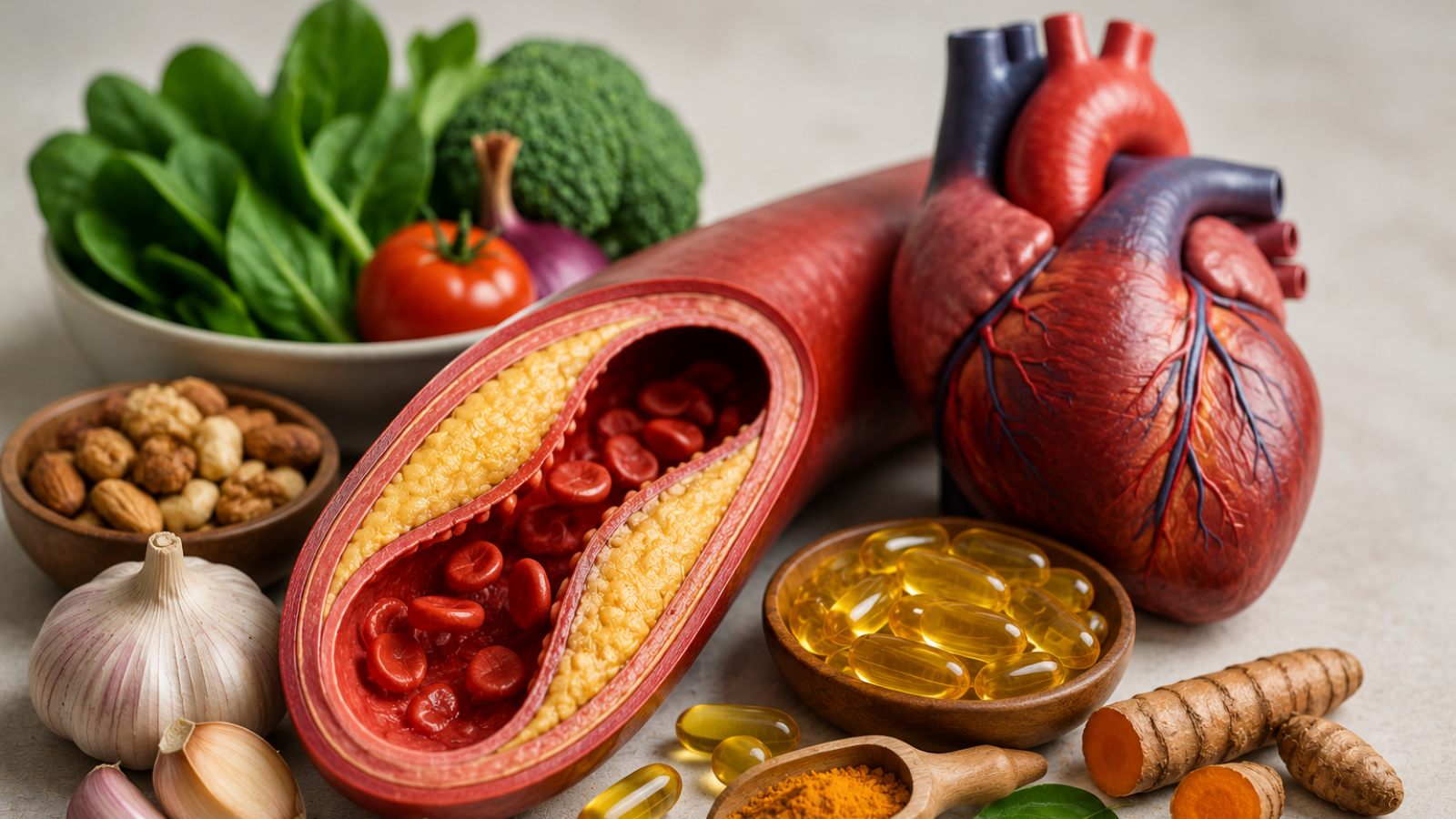
Can garlic, turmeric, or fish oil actually scrub your arteries clean? A leading cardiologist explains the reality of plaque removal and the limits of natural remedies.
- Existing plaque buildup cannot be completely removed through natural dietary changes alone.
- Lifestyle modifications can slow down the progression and stabilize existing plaque.
- There is no scientific evidence that garlic, turmeric, or fish oil 'cleans' arteries.
- Immediate medical attention is required for chest pain or shortness of breath.
The concept of 'cleaning' your arteries naturally is a highly popular topic in wellness circles. From social media influencers to various online forums like Quora, questions such as 'How can I remove plaque from my arteries naturally?' are frequently asked. While the idea of using kitchen staples like garlic and turmeric to fix cardiovascular issues is tempting, medical science offers a much more nuanced reality.
Understanding Atherosclerosis
Plaque buildup, clinically known as atherosclerosis, is a gradual process where fats, cholesterol, and other substances build up on artery walls. This buildup can narrow the arteries, restricting blood flow and significantly increasing the risk of heart attacks and strokes. According to Dr. Punya Pratap, a Consultant Cardiologist at Gleneagles Hospital, Mumbai, understanding the difference between prevention and reversal is crucial.
The Reality of 'Natural Cleansers'
Many people turn to supplements like fish oil or traditional spices like turmeric, hoping for a miracle cure. However, Dr. Pratap is clear: "There is no strong evidence that garlic, turmeric, or fish-oil supplements can clean existing plaque from arteries." While these foods are healthy components of a diet, they do not act as a physical scrubbing agent for your blood vessels.
Why This Matters
BozokMedia analysis shows that the rise in 'natural cure' misinformation poses a significant threat to public health. When patients attempt to treat advanced arterial disease with supplements instead of prescribed medication, they risk catastrophic cardiovascular events. The focus should always be on managing risk factors rather than chasing unproven 'cleansing' trends.
"Plaques that have already built up cannot usually be completely removed through natural methods, but lifestyle changes can slow its progression and help stabilise the plaque." — Dr. Punya Pratap
Effective Strategies for Artery Health
Instead of seeking a quick fix, cardiologists recommend a multi-faceted approach to maintain vascular health:
- Consistent Exercise: Improves blood pressure, cholesterol, and blood sugar levels.
- Nutritional Discipline: Emphasizing whole grains, fruits, vegetables, and healthy fats while avoiding trans fats and excess sodium.
- Weight and Pressure Management: Controlling blood pressure and diabetes is fundamental to preventing further damage.
- Smoking Cessation: Avoiding tobacco is one of the most impactful steps for heart health.
| Approach | Natural Lifestyle Changes | Medical Intervention |
|---|---|---|
| Primary Goal | Prevention & Stabilization | Restoring Blood Flow & Risk Reduction |
| Mechanism | Managing risk factors | Chemical or mechanical correction |
| Examples | Diet, Exercise, Sleep | Statins, Stents, Bypass Surgery |
Frequently Asked Questions (FAQs)
1. Can diet alone reverse a blocked artery?
Dietary changes are vital for prevention and slowing progression, but they cannot typically reverse significant, established blockages.
2. What are the red-flag symptoms of artery issues?
Chest pressure, shortness of breath, unusual sweating, or pain radiating to the jaw or arms require immediate medical consultation.