Focusing only on visible muscles might be a fitness mistake. Experts reveal four critical muscle groups that ensure independence and prevent falls as you age.
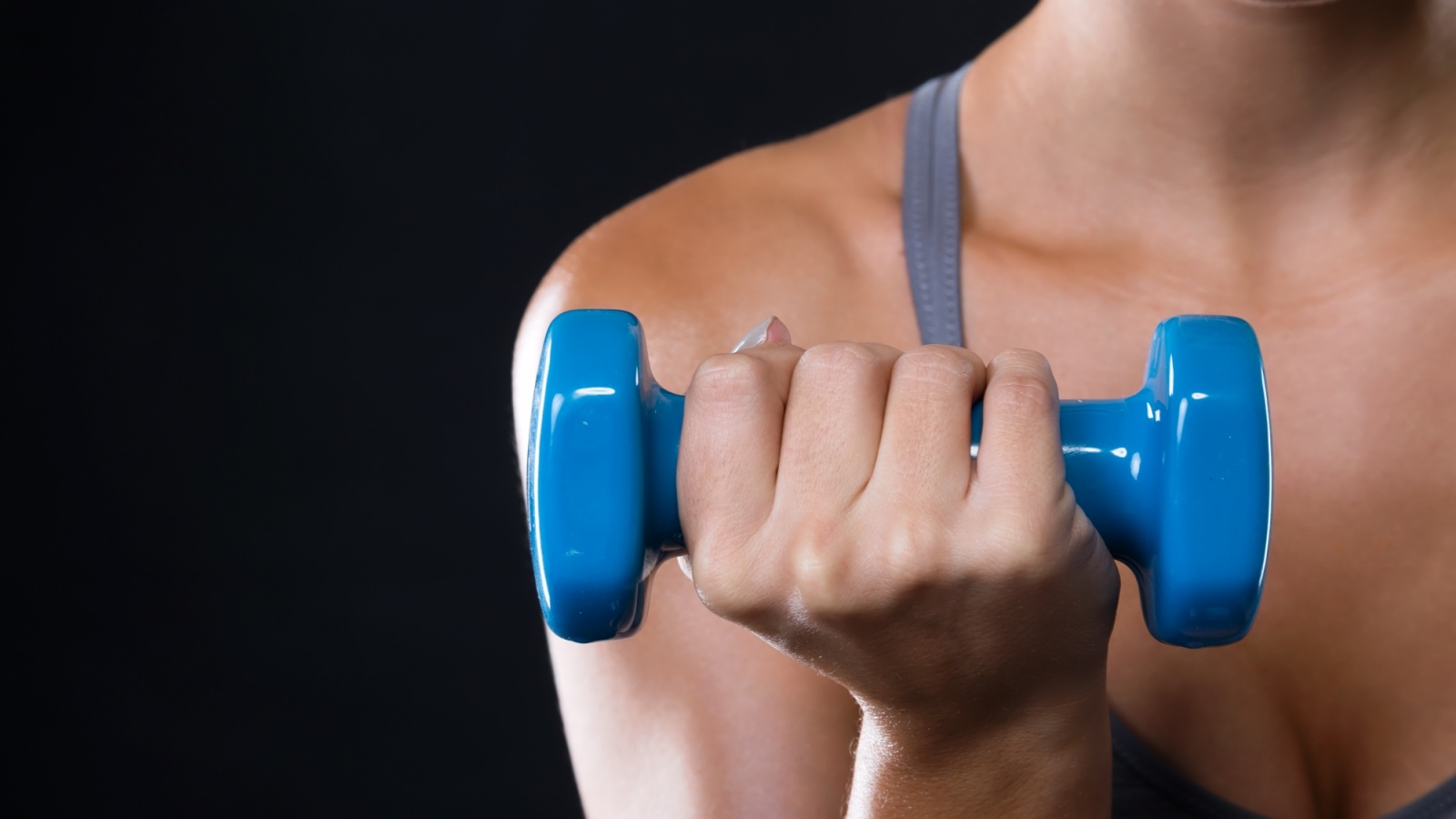
- Grip strength is vital for daily tasks and overall muscle health.
- Hip abductors and calf muscles are crucial for balance and preventing falls.
- The diaphragm is the primary muscle for respiratory health and exercise tolerance.
- Starting functional training in your 30s and 40s provides a physiological reserve.
In the pursuit of fitness, most people prioritize the 'mirror muscles'—those that are visually prominent like biceps or abdominals. However, recent insights from health platform CleanseDForLife suggest that true longevity depends on muscles that often go unnoticed. According to Dr. Lakshya Bhaktyani, a physiotherapy expert at PSRI Hospital, focusing on grip strength, hip abductors, calf muscles, and the diaphragm can significantly impact how we age.
The Science of Functional Independence
As we age, the risk of falls and loss of mobility increases. This is where functional strength becomes non-negotiable. Grip strength is more than just a sign of a firm handshake; it is a fundamental indicator of general muscle strength required for everyday activities like carrying groceries or opening jars. Similarly, hip abductors play a critical role in stabilizing the pelvis, which is essential when changing directions or stepping over obstacles.
Why This Matters: BozokMedia Analysis
BozokMedia analysis shows that muscle atrophy, specifically in the lower limbs, is a leading cause of geriatric falls. By strengthening the calf muscles, individuals can improve ankle stability and gait, making walking and climbing stairs much safer. Furthermore, the diaphragm—the engine of our respiratory system—is often ignored in traditional strength training. Strengthening this muscle enhances lung ventilation and overall exercise capacity, which is vital for maintaining an active lifestyle in later years.
The combined function of these muscles provides a hint of strength, mobility, and physiologic reserve that predicts functional independence.
Weakness in these specific areas creates a domino effect. For instance, weak hips and calves can lead to an unstable gait, while poor grip strength can make it difficult to use handrails during a stumble, directly increasing the risk of injury.
Proactive Training for Your 30s and 40s
Experts suggest that the best time to build this 'reserve' is during your 30s and 40s. You don't need to wait for old age to start prioritizing these groups. Incorporating functional movements into your routine can build a foundation of resilience.
| Muscle Group | Recommended Exercises |
|---|---|
| Grip | Farmer's carries, dedicated grip tools |
| Hip Abductors | Side leg raises, resistance band work |
| Calves | Calf raises, stair climbing |
| Diaphragm | Deep breathing/Diaphragmatic exercises |
Frequently Asked Questions
1. Can I improve my breathing capacity through muscle training?
Yes, diaphragmatic breathing exercises can strengthen the diaphragm, improving respiratory efficiency.
2. Is it too late to start training these muscles if I am over 50?
Not at all. Resistance and functional training can improve strength at almost any age, though consistency is key.