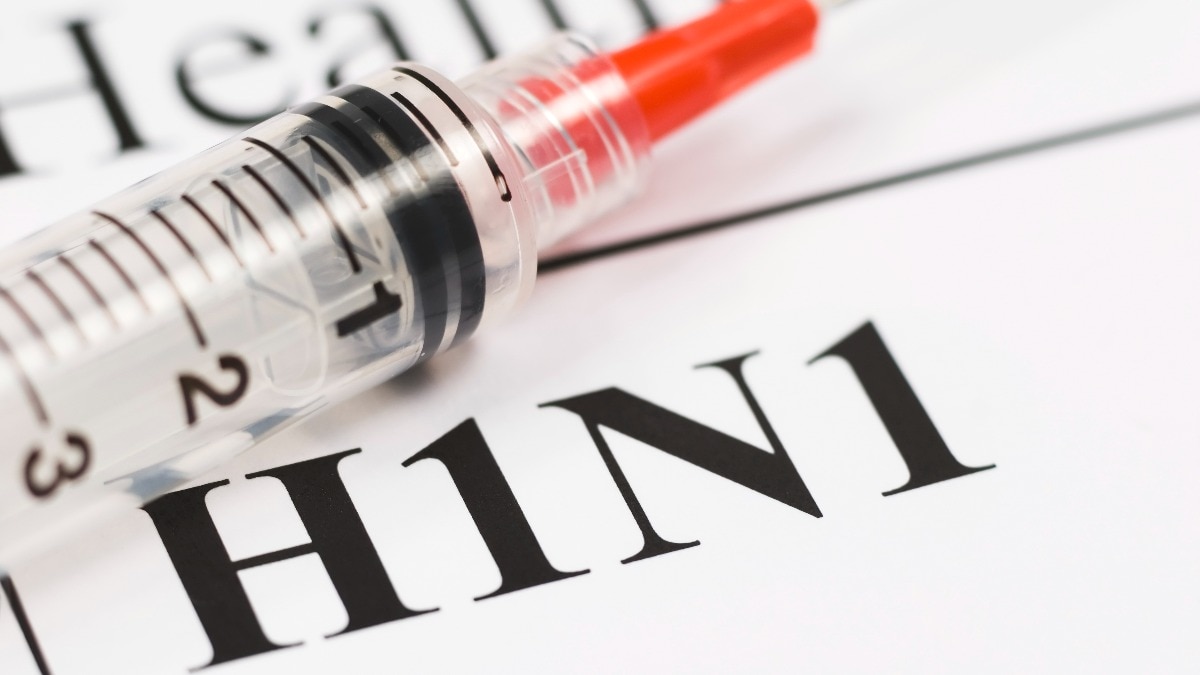
A significant surge in H1N1 cases has been reported in Delhi, leading to increased hospital visits. Doctors warn of respiratory complications, especially in vulnerable groups, due to changing weather patterns.
- Delhi has recorded 1,777 H1N1 cases this season, a massive jump from 229 cases in the 2025 monsoon.
- Vulnerable groups like children, the elderly, and those with pre-existing conditions face the highest risks.
- Some patients have required ventilator support due to severe respiratory complications.
- Health authorities have established dedicated ICUs and isolation wards in government hospitals.
New Delhi: The national capital is witnessing a significant spike in H1N1 influenza cases, causing a noticeable surge in outpatient departments (OPDs) across major hospitals. While most healthy adults are recovering with minimal intervention, medical professionals have raised alarms regarding severe respiratory distress in certain patients, some of whom have required mechanical ventilation.
A Comparative Look at the Surge
The statistical jump in infections is alarming. According to recent data, Delhi has registered 1,777 cases during the current season. This stands in stark contrast to the monsoon period of 2025, where only 229 cases were reported. This exponential growth highlights the intensifying nature of the viral outbreak this year.
| Metric | Monsoon 2025 | Current Season (2026) |
|---|---|---|
| Total Cases Reported | 229 | 1,777 |
| Trend Status | Stable | Rapidly Increasing |
The Role of Environmental Factors
Medical experts are pointing toward climatic shifts as a primary driver. Dr. Atul Gogia, head of the infectious diseases unit at Sir Ganga Ram Hospital, noted that recent weather changes have created an ideal environment for the survival and transmission of respiratory viruses.
Weather fluctuations are acting as a catalyst for the spread of respiratory viruses in urban environments.
Government and Hospital Response
In response to the rising numbers, the health department has fortified its preparedness. Health Minister Pankaj Kumar Singh stated that hospitals are well-equipped with dedicated beds to manage the influx. Government facilities have also implemented specialized intensive care units (ICUs) and seven-day isolation wards to prevent cross-infection.
Dr. Ramesh Chand Meena from Dr. Ram Manohar Lohia Hospital mentioned that while OPD visits have spiked, the pressure on dedicated ICU sections remains manageable for now.
Symptoms and Preventive Measures
Clinicians report that primary symptoms include high fever, severe body aches, cough, and cold. In some instances, patients exhibit a reduction in white blood cell counts and platelets. To mitigate the risk, doctors recommend annual influenza vaccinations, frequent hand hygiene, and the use of masks in crowded areas.
Why This Matters
BozokMedia analysis shows that seasonal viral surges can quickly overwhelm urban healthcare infrastructures if not managed with proactive vaccination and public compliance. The current trend suggests that preventive hygiene must become a priority for all citizens in the capital.
Frequently Asked Questions
Question 1: Who is most at risk from H1N1?
Answer: Children, the elderly, and individuals with underlying health conditions are at the highest risk of complications.
Question 2: How can I prevent infection?
Answer: Vaccination, wearing masks in crowds, and maintaining hand hygiene are highly effective preventive measures.