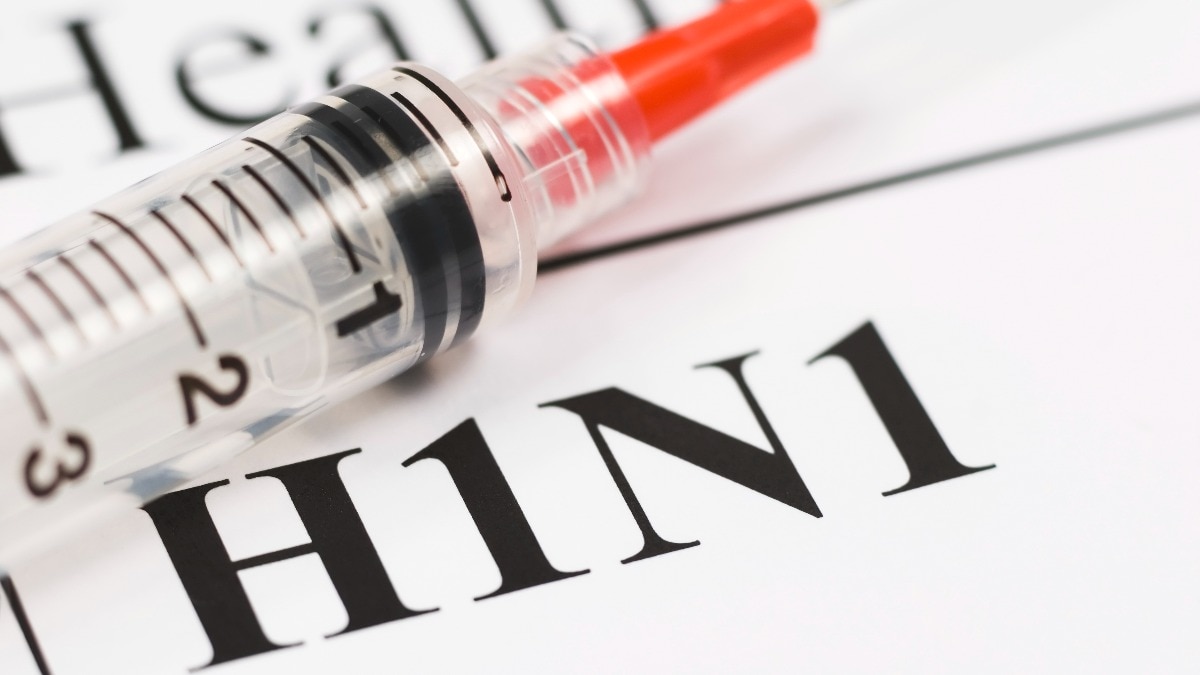
Amid a massive spike in H1N1 cases in Delhi, the government has issued a public health advisory urging residents to wear masks and avoid crowded areas.
- Delhi has recorded over 1,777 H1N1 (swine flu) cases so far this year.
- Authorities have placed 35 hospitals under special surveillance.
- Residents are advised to wear masks and maintain respiratory hygiene to prevent spread.
The national capital, Delhi, is witnessing a significant surge in H1N1 (swine flu) and other influenza cases. In response to the climbing infection rates, the Delhi government has issued a formal public health advisory, emphasizing the need for immediate precautions such as wearing masks in crowded areas and maintaining strict respiratory hygiene.
The Scale of the Outbreak
According to recent health department data, Delhi has logged more than 1,777 H1N1 cases in 2026. The situation intensified recently with 114 new infections reported in a single day. When looking at the broader picture, the city has recorded over 2,300 Influenza-A cases this year, necessitating enhanced surveillance and hospital preparedness.
Preventive Measures Recommended
To curb the spread, health officials have advised citizens to cover their mouths and noses while coughing or sneezing, wash hands frequently with soap, and avoid touching the eyes, nose, or mouth. Furthermore, the advisory warns against spitting in public and urges people to stay hydrated. If symptoms like fever, cough, sore throat, or breathing difficulties arise, citizens are urged to seek medical help immediately rather than practicing self-medication.
Health experts suggest that the post-monsoon period is a critical window for influenza surges in urban India.
Why This Matters
BozokMedia analysis shows that the rapid transmission of respiratory viruses in densely populated metropolitan areas like Delhi can quickly overwhelm local healthcare infrastructure if not managed proactively. The integration of real-time data through the Integrated Health Information Platform (IHIP) is crucial for containment.
Influenza Strain Comparison
| Strain Type | Reported Cases (Approx.) |
|---|---|
| Influenza-A (including H1N1) | 2,392 |
| Influenza-B | 210 |
| Total Reported Cases | 2,602 |
Delhi Health Minister Pankaj Kumar Singh, following a review meeting with Union Health Minister JP Nadda, assured the public that there is no shortage of hospital beds, doctors, or essential medicines. He confirmed that the government is closely monitoring patient numbers and enhancing hospital readiness across the capital.
Historical Context of Flu Peaks
Historically, India experiences two major peaks of seasonal influenza: one between January and March, and another during the post-monsoon season. While H3N2 was the dominant strain in 2025, the current 2026 cycle is being driven primarily by the H1N1 subtype.
Frequently Asked Questions
Question 1: What are the common symptoms of swine flu?
Answer: Common symptoms include fever, cough, sore throat, body aches, headache, and difficulty breathing.
Question 2: Which hospitals are designated for testing in Delhi?
Answer: AIIMS and the National Centre for Disease Control (NCDC) have been designated as the primary referral laboratories for testing and monitoring.