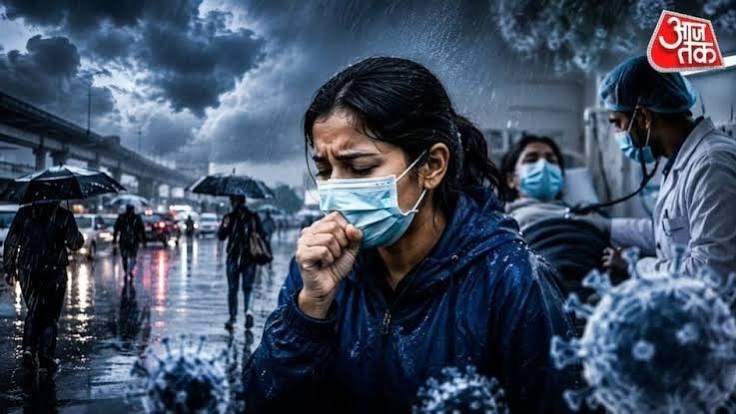
Amid a surge in H1N1 cases across India, particularly in Delhi, the ICMR has confirmed that no new strain of the virus has been detected. The current virus remains compatible with existing vaccines.
- ICMR confirms no new H1N1 strain has been identified in India.
- The circulating virus is consistent with existing influenza vaccines.
- Delhi has reported over 2,300 flu cases this year, with 1,777 being H1N1.
- High-risk groups include children, the elderly, and those with comorbidities.
As the number of Swine Flu (H1N1) patients continues to rise across the country, the Indian Council of Medical Research (ICMR) has stepped in to provide much-needed clarity. Addressing growing public concern, the ICMR stated that there is no evidence of a new or mutated H1N1 strain circulating in India. This announcement serves as a significant relief to a public wary of a potential new pandemic wave.
According to the medical advisory, the virus currently in circulation is consistent with existing influenza vaccines. This means that the standard preventative measures and vaccinations remain effective against the current outbreak. The spike in cases is being attributed to seasonal trends rather than a change in the virus's genetic makeup.
Why This Matters
BozokMedia analysis shows that managing public perception is as critical as managing the biological outbreak. By debunking rumors of a 'new strain,' the ICMR is preventing mass panic that could overwhelm healthcare facilities. However, the localized surge in Delhi necessitates a high state of clinical readiness.
The current virus matches the existing flu vaccine, so there is no cause for panic.
The situation in Delhi remains a primary concern for health authorities. The capital has recorded over 2,300 flu cases so far this year, with H1N1 accounting for a staggering 1,777 of those instances. A single-day spike of 114 new H1N1 cases has prompted the Delhi government to issue strict health advisories emphasizing hygiene and social distancing in crowded areas.
Historical Background: The H1N1 virus gained global notoriety during the 2009 pandemic. Since then, it has transitioned into a seasonal influenza virus that periodically causes localized outbreaks, necessitating constant surveillance by global and national health bodies.
Symptoms and Risk Management
Medical experts warn that H1N1 typically presents with fever, cough, headache, and body aches. While most healthy individuals recover within a few days with proper rest and treatment, the virus poses a significant threat to vulnerable populations. Children, the elderly, and individuals with underlying health conditions like diabetes or respiratory issues are advised to seek medical attention immediately if symptoms persist.
| Symptom | Severity Level | Recommended Action |
|---|---|---|
| Mild Fever & Cough | Low | Rest & Hydration |
| Severe Headache/Body Ache | Moderate | Consult a Doctor |
| Difficulty Breathing | High | Emergency Hospitalization |
Frequently Asked Questions
1. Is the current vaccine effective against the rising H1N1 cases?
Yes, ICMR has confirmed the circulating strain matches the current vaccine profile.
2. What should I do if I experience flu symptoms?
Monitor your symptoms and consult a healthcare professional, especially if you belong to a high-risk group.