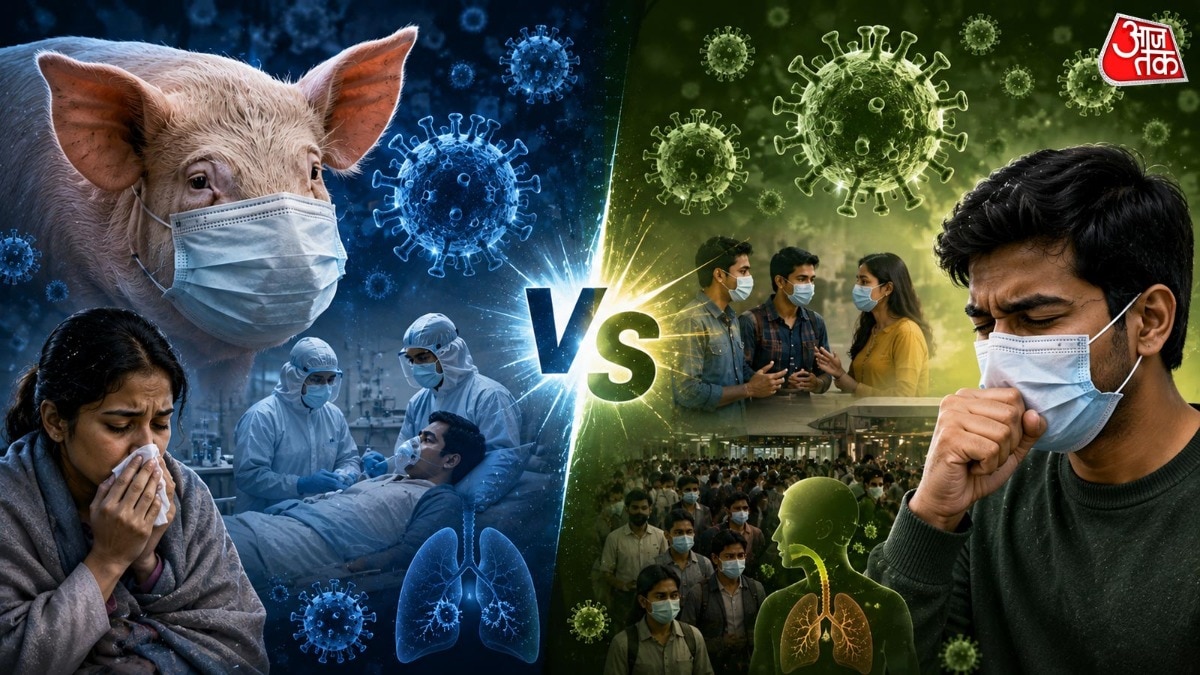
With cases surging in Karnataka and Delhi, experts stress that the H1N1 strain remains unchanged and current vaccines are effective, yet vigilance is essential. Central and state governments are bolstering isolation wards and surveillance.
- No new H1N1 strain identified; existing vaccine remains effective.
- Central and state authorities have set up isolation and disaster wards.
- Seek medical help promptly if severe fever, body aches, or breathing difficulty appear.
Several Indian states, notably Karnataka and Delhi, have reported a sharp rise in swine flu (H1N1) cases this year—over 4,000 in Karnataka and more than 1,700 in Delhi, eclipsing figures from previous years. This sudden spike has reignited concerns about whether the virus could evolve into a pandemic akin to COVID‑19.
Professor Dr. Jugul Kishore of the Community Medicine Department at Safdarjung Hospital clarified that while both swine flu and COVID‑19 affect the respiratory system, their mortality rates are both below 1 %. He added, “The virus circulating today matches the strains covered by the current vaccine, and no new H1N1 variant has been detected.”
The Indian Council of Medical Research (ICMR) has corroborated this view, stating that India has not identified a novel H1N1 strain. Consequently, panic comparable to the COVID‑19 outbreak is unwarranted, though complacency must be avoided. Individuals experiencing high fever, muscle pain, and respiratory distress should get tested immediately.
Historical Background
The 2009 H1N1 pandemic infected an estimated 1.4 billion people worldwide, but India's mortality remained low, largely due to early vaccination drives and robust surveillance. Since then, seasonal flu vaccines have incorporated the H1N1 component, keeping the disease largely manageable.
| Feature | Swine Flu (H1N1) | COVID‑19 |
|---|---|---|
| Primary Symptoms | Fever, cough, body aches | Fever, cough, shortness of breath, loss of taste/smell |
| Mortality Rate | ≈0.5 % | ≈2 % |
| Vaccine Availability | Existing seasonal flu vaccine | Vaccines developed 2020‑2022 |
| New Strain Risk | None detected currently | Variants continue to emerge |
Why This Matters
BozokMedia analysis shows that a surge in H1N1 cases could pressure regional healthcare infrastructure, especially in densely populated metros, and may trigger travel advisories if clusters emerge.
“Routine flu vaccination and early diagnosis remain the most effective defenses against swine flu,” Dr. Jugul emphasized.
Frequently Asked Questions
Q1: Is the current seasonal flu vaccine sufficient to protect against swine flu?
A: Yes, the seasonal flu shot includes the H1N1 strain, significantly reducing infection risk.
Q2: Which diagnostic tests should be done if I suspect swine flu?
A: Rapid antigen tests or RT‑PCR assays can confirm H1N1; these are available at nearby AIIMS or NCDC‑affiliated labs.