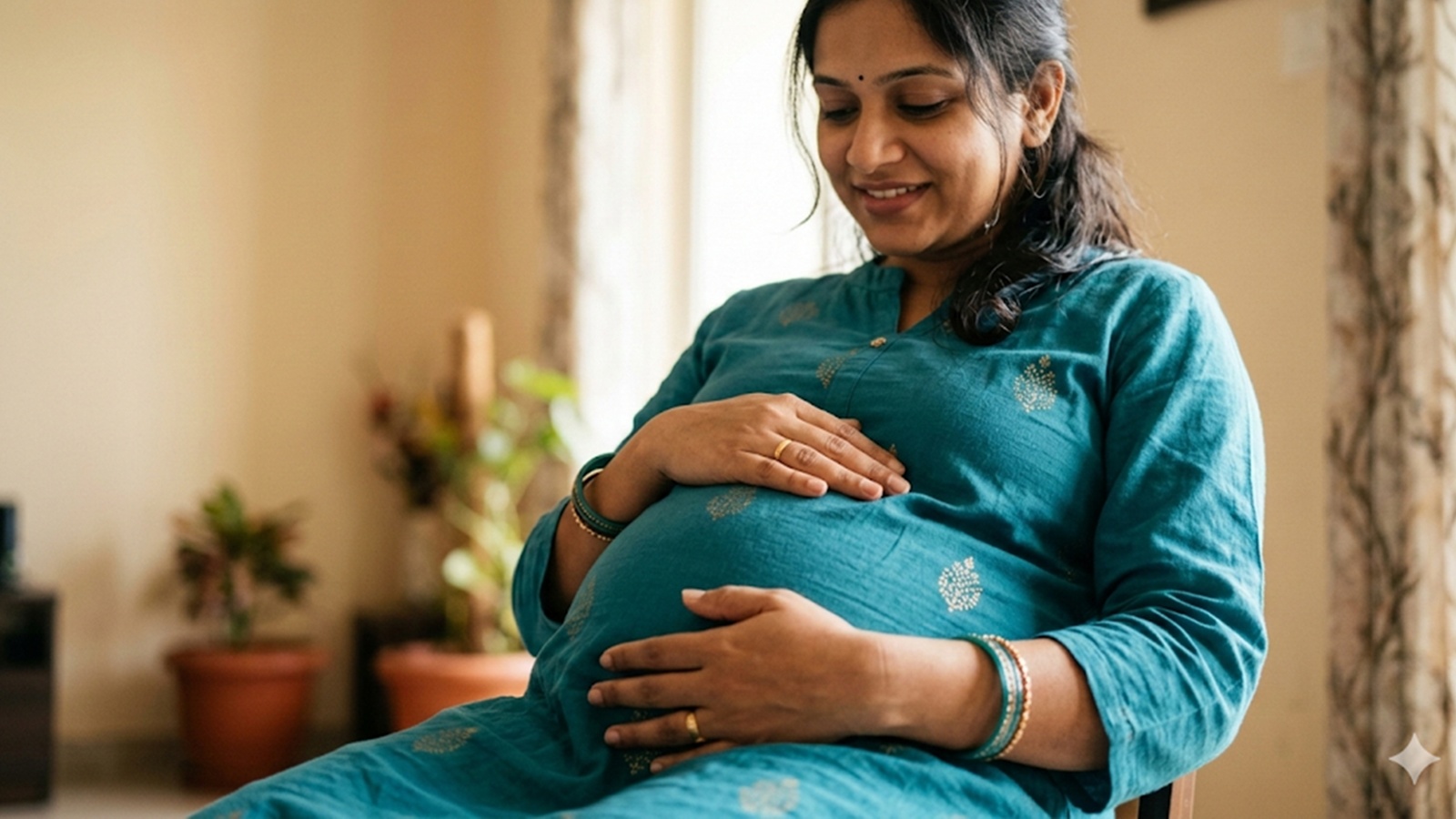
Swelling in the feet and ankles is a common but uncomfortable symptom of pregnancy. Experts attribute it to increased blood volume, hormonal changes, and uterine pressure, and they share practical steps to ease the discomfort.
- Blood volume rises by up to 40% during pregnancy
- Hormones relax vessels, promoting fluid leakage
- Simple daily habits can dramatically reduce swelling
The Physiology Behind Foot Swelling
In the second and third trimesters, the body produces extra plasma and red cells, boosting total blood volume by roughly 30‑40%. The expanding uterus compresses the inferior vena cava and pelvic veins, slowing venous return from the legs. Simultaneously, estrogen and progesterone cause vasodilation, allowing fluid to seep into inter‑stitial spaces of the lower limbs.
Expert Insight from Dr. Kunal Sood
Maryland‑based anesthesiologist and interventional pain specialist Dr. Kunal Sood explained in an Instagram video that the swelling typically worsens by evening and is usually temporary. He emphasized, "Elevating the legs and gentle ankle movement improve circulation and prevent fluid pooling."
"Balanced nutrition, reduced salt intake, and regular light walking are the most effective tools to keep pregnancy‑related edema in check."
Practical Tips to Ease Discomfort
Dr. Sood recommends the following seven habits:
- Elevate legs while resting (at least 15 minutes)
- Wear compression socks early in the day
- Engage in gentle walking and ankle rotations
- Stay well‑hydrated but avoid excess salty foods
- Limit processed snacks high in sodium
- Choose supportive, non‑tight footwear
- Incorporate daily stretching to aid lymphatic drainage
Why This Matters
BozokMedia analysis shows that unchecked edema can be an early warning sign of pre‑eclampsia or deep‑vein thrombosis, both of which carry serious risks for mother and baby. Raising public awareness enables timely medical intervention.
When to Seek Medical Evaluation
Sudden, severe swelling—especially of the face, hands, or around the eyes—should never be ignored. Accompanied by severe headache, blurred vision, upper‑abdominal pain, or high blood pressure, it may indicate pre‑eclampsia. Swelling confined to one leg with pain, redness, or warmth could signal a blood clot and warrants immediate care.
Frequently Asked Questions
- Can I sleep with my feet elevated? Yes—using pillows to prop your legs while you sleep can significantly reduce nighttime swelling.
- Is exercise risky? Light activities like walking, swimming, or prenatal yoga are generally safe, but always consult your healthcare provider before starting a new routine.
