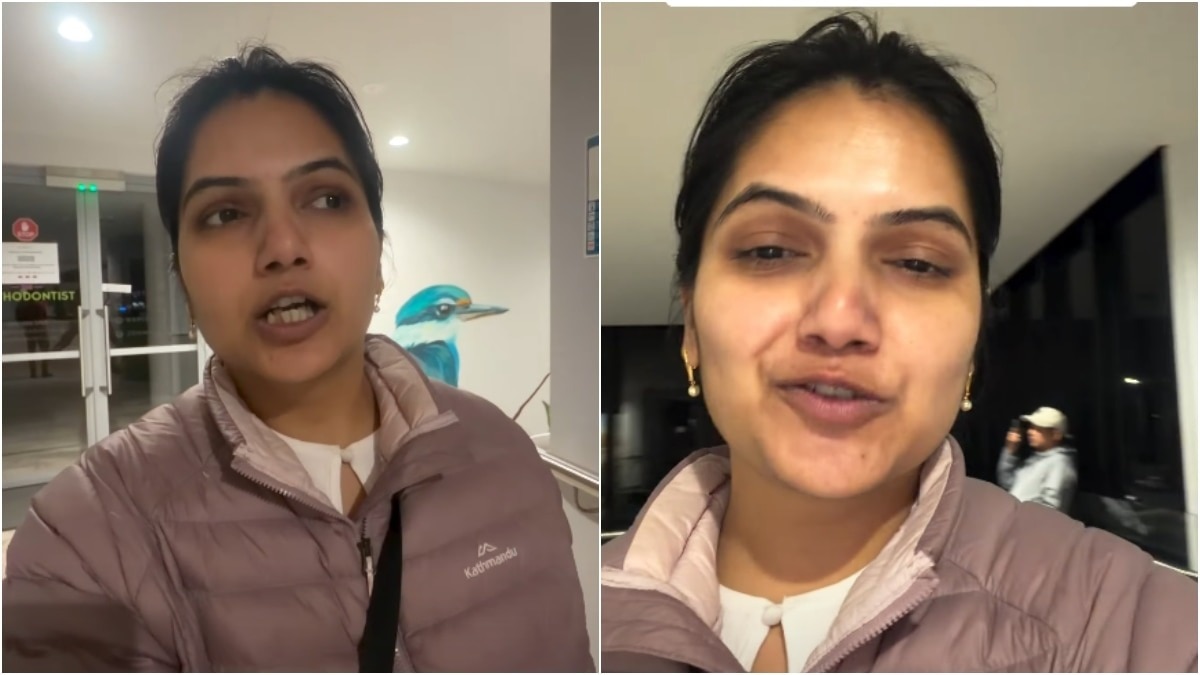
Indian expatriate Akriti Jaiswal shared a video of her ten‑day‑long battle to secure a doctor’s appointment for her coughing son in New Zealand, sparking a viral debate on healthcare accessibility abroad. The incident has reignited comparisons between India’s rapid doctor access and the bottlenecks in a supposedly advanced system.
- Akriti waited over a week for an appointment for her son’s persistent cough
- After‑hours clinic refused new patients due to full capacity
- The video went viral, prompting a broader discussion on healthcare access
Akriti Jaiswal (Srivastava), an Indian mother residing in New Zealand, reported that her seven‑year‑old son had been coughing continuously for ten days. When she called the local medical centre, she was told the earliest slot was a full week away, with the next available appointment on the following Wednesday.
Frustrated, she drove to an after‑hours clinic that normally sees walk‑ins, only to be shown a notice stating that the clinic’s capacity was already maxed out for the night and no new patients could be admitted. She recorded this moment and posted it on Instagram, where the clip quickly went viral.
In the video, Akriti lamented, “In India, you can see a doctor the same day you need one, but here we are forced to wait weeks.” Her comparison resonated with many expatriates, who began sharing similar experiences from London, Australia, and Qatar, highlighting a global pattern of appointment shortages.
While New Zealand is often praised for its universal health system, the incident underscores persistent challenges: limited doctor numbers in smaller towns, rising demand, and a backlog that can delay even urgent care.
Historical Background
New Zealand’s health model, branded “Access for All,” guarantees public health services to all residents. Introduced in the early 2000s, it earned international accolades. However, recent years have seen a strain on resources due to physician shortages, population growth, and increased reliance on tele‑health, leading to longer wait times for routine appointments.
Why This Matters
BozokMedia analysis shows that such viral incidents highlight systemic bottlenecks in seemingly advanced health systems, prompting policymakers to reassess resource allocation and patient‑flow management.
“The current scenario illustrates that rapid access to care hinges not just on technology but on sufficient staffing and an efficient booking infrastructure,” said a pediatric specialist.
Frequently Asked Questions
Question 1: Can you see a doctor at an after‑hours clinic in New Zealand without an appointment?
**Answer:** Yes, but capacity is limited and priority is given based on the severity of symptoms.
Question 2: How long does it typically take to get a doctor’s appointment in India?
**Answer:** In major cities, same‑day appointments are common, while in rural areas a wait of 2‑3 days is typical.